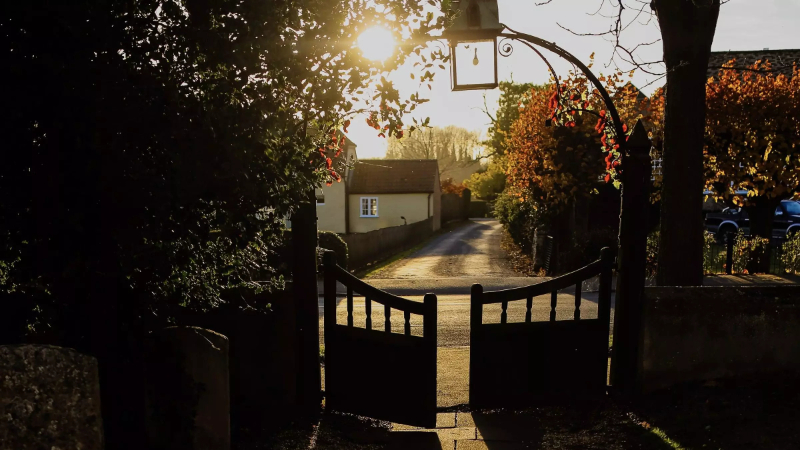
Choosing wooden driveway gates is about more than looks alone. The right gates can improve your property, support your home's security, add privacy, and create a smarter entrance to your driveway. Good driveway gates also bring warmth, natural beauty, and lasting character to a home in a way that many other materials cannot.
There is a wide range of wooden gates available in the UK, so making the right decision means looking at your budget, your space, your preferred style, and the level of maintenance you are happy to take on over time. This guide will help you choose between different types of driveway gates, understand the best wood and timber options, and find the best choice for your specific needs.
Why choose wooden driveway gates?
Many homeowners prefer wooden driveway gates because they combine beauty, strength, and practicality. Well made wooden gates can suit both traditional and modern homes, and they are available in a wide variety of design styles, shapes, and size options.
Some of the main benefits of wooden driveway gates include:
• Strong kerb appeal and aesthetic appeal
• Better security and privacy
• A natural finish that helps the gates blend with a garden or wider outdoor space
• A good range of design options
• The ability to add automation for easier access
For many people, wooden driveway gates are an excellent choice because they can elevate the look of a property while also enhancing day to day functionality. When built well and properly treated, they can be both attractive and durable.
What is the best wood for driveway gates?
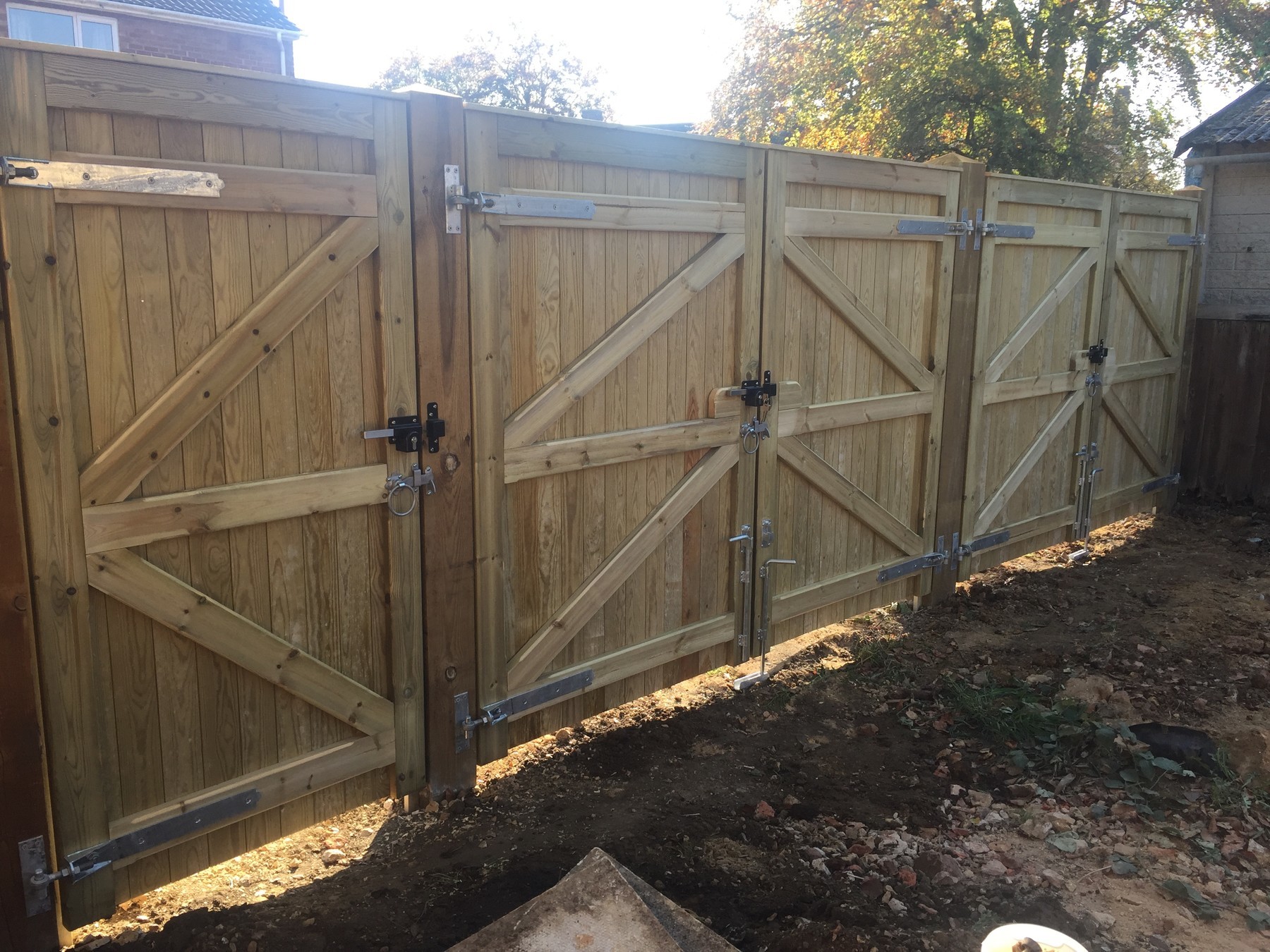
The right wood for your driveway gates depends on your needs, your preferred appearance, and how much maintenance you expect to do. The right timber should be strong, stable, and suitable for outdoor weather conditions in the UK.
In general, there are two main types to consider:
• Hardwood gates
• Softwood gates
Both have their own advantages, and the best option will depend on your budget, the design you want, and the level of durability you need.
Hardwood gates
Hardwood gates are often seen as the premium option. They are popular for their strength, durability, and elegance. Many hardwood species are naturally dense, which helps them endure daily use and harsh weather.
Popular hardwood options include:
• Oak gates
• African teak
• Other forms of tropical hardwood
Oak is one of the most popular choices for wooden driveway gates. Oak gates have a timeless look, excellent strength, and real natural beauty. They are ideal for both traditional and more modern design styles. Over the years, oak can develop a silver tone if left unfinished, or it can be protected with suitable stains to keep more of its original colour.
Some hardwoods, such as African teak and other tropical hardwood species, are valued for being naturally resistant to moisture, rot, and pests. This natural resistance makes them a strong solution for outdoor gates exposed to the elements. That said, even hardwood needs care. It is still important to use good protective treatments and to keep the timber protected where possible.
Softwood gates
Softwood gates are often chosen for their affordability and flexibility. They can still be strong and attractive when they are well made and properly treated. For many homeowners, softwood is a great balance between cost and appearance.
Common options include:
• Redwood
• Cedar
• Pine
• Western red cedar
Redwood is widely used for wooden gates in the UK. It offers a warm look, takes stains and paint well, and can be a very practical choice for a wooden driveway. Redwood and pine are often more cheaper than hardwood, which can help you save money at the time of purchase.
Cedar, especially western red cedar, is renowned for being light, stable, and naturally resistant to rot and insect attack. This makes cedar a popular option for both wooden garden gates and wooden driveway gates. Its oils give it good resistance to decay, and it tends to have fewer problems with movement than some other timbers.
Even so, softwood usually needs more regular treatment than hardwood to ensure longevity.

Hardwood

Softwood
Hardwood vs softwood
• High durability
• Strong strength
• Premium finish and elegance
• Often more long lasting
• Ideal for large and heavy driveway gates
Disadvantages of hardwood:
• Higher price
• Heavier weight m
• May need stronger posts, frame, and fittings
Benefits of softwood:
• Lower cost
• Good for a wide range of design styles
• Easier to machine and shape
• Ideal for customers who want value and flexibility
Disadvantages of softwood:
• Usually shorter lifespan
• More likely to need frequent maintenance
• Can be more prone to warp, splitting, and surface wear if neglected
Both materials can work very well. The most important thing is choosing the right timber for your site and making sure the gates are well manufactured.
Are you looking for fencing supplies in Milton Keynes and Buckinghamshire?
We are open to offering the best prices for fencing, decking and wooden gates.

The importance of timber quality
The quality of the timber used will have a major effect on the finished gates. Low grade wood may contain too many knots, poor joint construction, weak boards, or a higher level of trapped moisture. This can increase the risk of warp, splitting, and early damage.
Good quality timber should be:
• Suitably dried
• Cut to the correct size
• Selected with fewer loose knots
• Built with a strong frame
• Made with proper joint details
Look for gates with strong mortice and tenon construction. A mortice and tenon joint is a trusted way of making timber gates because it improves strength, stability, and overall life. A well made joint helps the frame stay square and reduces unwanted movement over time.
For larger driveway gates, the number and quality of each joint matters. A poor joint can fail under pressure, while a good joint and mortice layout helps the gates stay stable for years. This is one of the key points people often overlook when making a final decision.
Design and style options
One of the biggest attractions of wooden driveway gates is the broad design choice. The right style can completely change the look of your entrance and improve the whole feel of your property.
Popular design options include:
• Full boarded gates for extra privacy
• Open boarded gates for a lighter appearance
• Arched tops for a more traditional look
• Flat top designs for a more modern finish
• Framed ledged and braced options for a rustic feel
A closeboard design is often chosen for security and privacy, while a more open arrangement of boards and rails can create a softer, more decorative effect. You may also want your wooden driveway gates to match your wooden garden gates or other garden gates on the same property.
The right design should also suit the scale of the home. Large driveway gates can look perfect on a wide entrance, while a smaller opening may need a more modest size and cleaner style.
Matching gates to your home and garden
Your driveway gates should work with the rest of the property. Many people focus only on the driveway, but it is also worth thinking about nearby fencing, walls, landscaping and any wooden garden features.
For example, if your home has a country look, oak or redwood wooden gates may be ideal. If your property has a sleek look, a simpler modern design with clean lines may be a better option. Matching your garden gates and wooden garden gates to the main driveway gates can help create a unified finish.
This is where aesthetic preferences matter. Some people prefer a natural finish that shows the grain of the wood, while others prefer painted or stained gates in a specific colour. Both can work well if the finish is suited to the material.
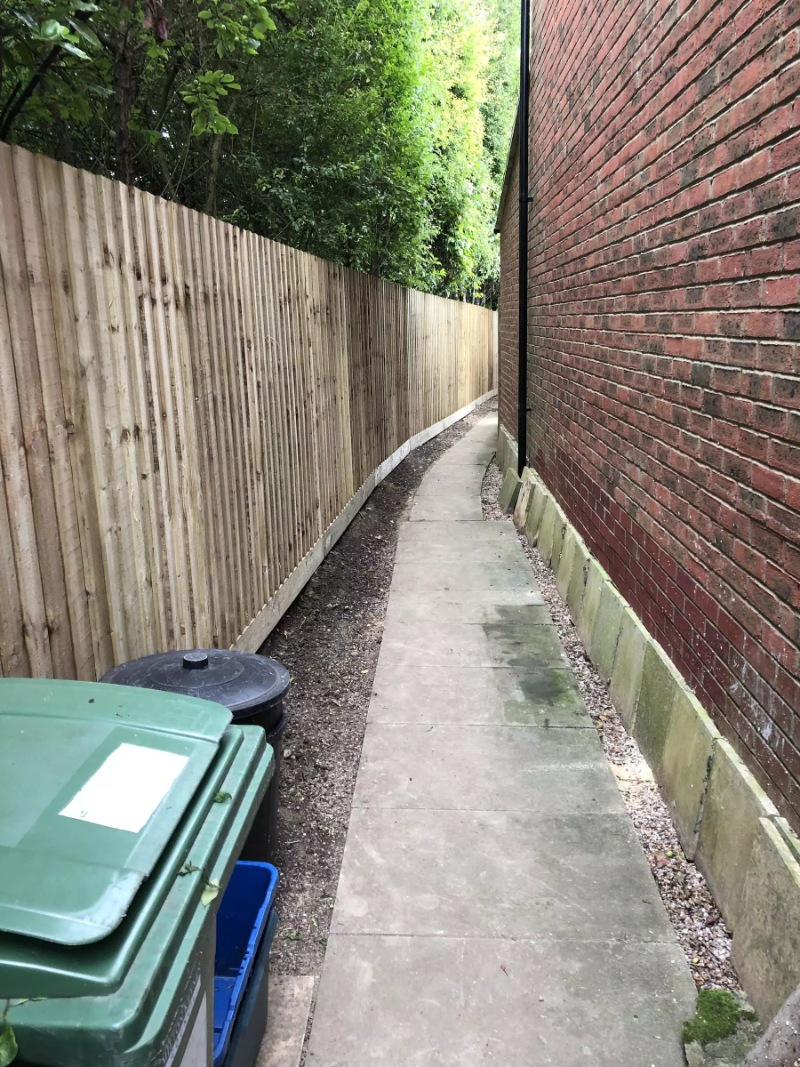
Driveway Fencing

Driveway Gates
Size, width and height
Getting the right size is essential. If your driveway gates are too narrow, access becomes awkward. If they are too wide without proper support, the structure may suffer over time.
Before ordering, always measure carefully. You should measure:
• The full width of the entrance
• The available height the level of the ground
• How much space you have for opening
• The position of walls, fences, or posts
In the UK, many people choose a width of around 3 metres for a standard driveway, but the right size will depend on your specific site. If you have larger vehicles, a caravan, or need easier access, you may need a larger opening.
The height of driveway gates should also be chosen with care. Taller gates can improve privacy and security, but they may also affect planning rules and the look of the property.
Follow this link for Wooden Gates In Milton Keynes.
Should driveway gates open in or out?
This depends on your space, your driveway layout, and safety. In most cases, driveway gates should swing open inwards, so they do not block the road or pavement when opening or close.
Inward opening gates are usually the safest and most practical choice, but this may not work if your driveway rises sharply from the road. In that case, sliding gates can be an excellent solution.
Sliding gates
Sliding gates are ideal where there is limited room behind the entrance or where the ground slopes. Rather than swinging open, they move sideways. This can help with access, reduce the chance of the gates striking vehicles, and make better use of available space.
They may cost more and need more planning, but they can be a very functional option for some properties.
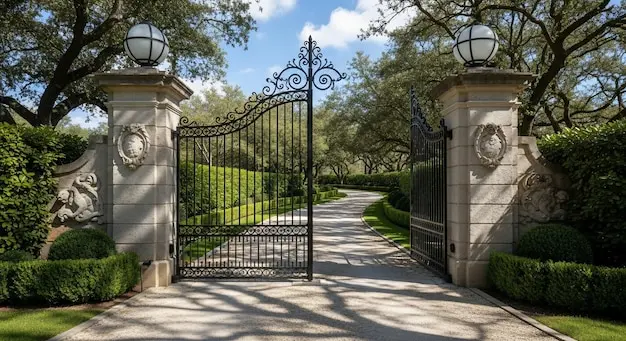
Manual or automation?
Many driveway gates are now fitted with automation. Automated gates are popular because they improve security, ease of access, and day to day convenience.
The main benefits of automation include:
• Easier entry and exit
• Better control over who can enter your property
• Extra support for home's security
• Less need to leave the car in bad weather
Some systems use remote fobs, keypads, intercoms, or a phone control system. If you are investing in larger wooden driveway gates, automation may be worth serious thought. It can also add value when making your final decision.
However, automation does add to the overall cost, and the gates must be properly installed on strong posts with suitable fittings. The frame, the joint work, and the strength of the timber all matter even more when motors are involved.
Security and privacy
For many people, security is one of the main reasons for choosing the right driveway gates. Good wooden gates create a clear boundary, make unwanted entry harder, and improve the sense of safety around the home.
Full boarded gates usually provide the best privacy, while taller gates can give extra screening from the road. A strong lock, solid hinges, and sturdy posts are all essential.
You should also think about how the gates close. They should line up correctly, meet evenly in the middle if a double pair is used, and have a secure latch or locking system. A poor close can affect both appearance and security.
Frame, boards, rails and posts
A good gate is not just about the outer look. The hidden details matter just as much.
Check the following:
• A strong outer frame
• Solid vertical boards
• Horizontal rails
• Robust support posts
• Quality mortice and tenon joint work
The frame carries the load of the whole gate. If the frame is weak, the gates may sag or warp. The boards need to be fixed correctly, with room for natural movement in the wood. The rails help hold everything together, while the posts must be strong enough to take the load for many years.
For larger wooden driveway gates, poor posts are a common reason for failure. Even the best timber can struggle if the support is poor.
Finishes, stains and painted gates
The finish you choose affects both the look and the protection of your gates. Many people like the raw look of oak, cedar, or redwood, but applying stains or paint can improve the lifespan and help the gates stay protected.
Popular finish options include:
• Clear or semi transparent stains
• Coloured stains
• Fully painted finishes
• Natural weathered look
Good protective treatments help reduce the effect of rain, moisture, sunlight and seasonal weather. This is especially important in the UK, where gates can be exposed to wet conditions for much of the year.
Some timbers contain tannins, especially oak and cedar. These tannins can affect the final finish and may cause marks if the wrong products are used. Always check that the chosen treatment is suitable for the wood.
If you want coloured gates, painted finishes can look great, but they often need more upkeep than a stain. A stain tends to move better with the timber, which can reduce the chance of peeling.
Maintenance and how to ensure longevity
All wooden driveway gates need some level of maintenance. Even naturally durable wood will last longer if it is cared for properly. Regular care can ensure longevity, reduce wear, and help the gates stay strong and attractive.
Useful tips include:
• Inspect the gates from time to time for signs of damage
• Keep the bottom of the gates clear of standing water and the ground
• Reapply suitable stains or treatment when required
• Check moving parts and the close of the gates
• Clean dirt, algae and surface build up before it causes problems
This kind of regular maintenance is especially important for softwood products. It can help avoid rot, splitting, and distortion caused by changing moisture levels. Well cared for wooden gates can remain long lasting and attractive for many years.
Common problems to avoid
When making your choice, it helps to know what can go wrong. Common issues include:
• Poor quality timber
• Weak joint or mortice details
• Timber left too damp before manufacture
• Bad fitting
• Lack of treatment
• Poor drainage around the base
• Ignoring early signs of rot, splitting, or movement
Some wood is more likely to move if not dried well. Wet timber left without protection may twist, swell, or dry too quickly in heat. In some cases, this can lead to splitting or cause the gates to fail to close correctly.
Knots can also create weak points. Large loose knots may increase the chance of cracks forming. These issues can often be avoided by choosing the right manufacturer and using quality products.
How long do wooden gates last?
The life of wooden gates depends on the material, the build quality, the finish, and how well they are maintained.
As a rough guide:
• Basic softwood gates may last around 7 to 10 years
• Better quality treated softwood can last longer
• Good hardwood gates may last for several decades
• Some premium oak gates and other hardwood products can endure for 30 years or more
The real difference comes from build quality and aftercare. Well manufactured, well fitted, and well maintained driveway gates can have a very long life.
Do driveway gates add value?
Yes, driveway gates can add value in several ways. They can improve security, create a stronger first impression, and make the whole property feel more private and complete.
They are especially useful for:
• Improving the look of the entrance
• Enhancing home's security
• Creating a clear boundary
• Adding aesthetic appeal
• Making the property more attractive to future buyers
While the exact increase in value will depend on your home, location, and the quality of the gates, many people see them as an excellent choice when investing in their property.
Planning points in the uk
Planning rules can vary, so it is always sensible to check local guidance in the UK before putting up new driveway gates. This is particularly important if the gates will be next to a road or highway.
As a general rule, the allowed height may depend on where the gates are positioned and whether they face a highway. Rules can change, so it is best to check before work begins. This is an important step because replacing old gates with something much taller or wider may need approval.
If you are unsure, seek local advice before installation.
Wooden driveway gates and garden gates
Many people look at garden gates at the same time as their main driveway gates. Matching wooden garden gates and side garden gates can create a more complete look across the whole property.
A coordinated set of wooden garden and driveway gates can:
• Improves overall appearance
• Creates a consistent style
• Supports security
• Helps the whole wooden driveway and garden area feel planned and finished
This is especially useful if you are making wider improvements to your wooden driveway, fencing, landscaping, or paths.
Tips for choosing the right wooden driveway gates
Here are some final tips to keep in mind when choosing the right wooden driveway gates:
• Choose the right wood for your climate, budget and needs.
• Think about whether hardwood gates or softwood gates are the better option.
• Check the frame, mortice, and every structural joint.
• Make sure the size, width, and height are suitable.
• Decide whether you want manual opening or automation.
• Pick a design and finish that will match your home.
• Think about future maintenance before making your final choice.
• Use quality protective treatments and keep the gates protected from standing water.
• Ensure the gates are correctly fitted and installed.
Choosing Driveway Gates
There are many ways to approach choosing wooden driveway gates, and the best decision will always be based on your specific needs. The right wood, strong joint work, quality materials, careful fitting, and proper treatment all play a part in creating gates that look good and perform well.
Whether you prefer oak, cedar, redwood, or another suitable timber, the aim is to find driveway gates that offer the right mix of beauty, durability, security, and value. By taking the time to explore the options, compare types, and understand the practical factors, you will be in a better position to make the perfect choice for your home.
If you would like help with choosing the right wooden driveway gates for your property, the team at MD Fencing & Decking will be happy to help. You can email us, send your questions, or reply to discuss your project, preferred design, and the products that may need to be considered. We can also recommend suitable materials, explain the benefits of each option, and help you find the perfect fit for your driveway and entrance. Please call us on 01908 668966 or use our email contact page to find out more.