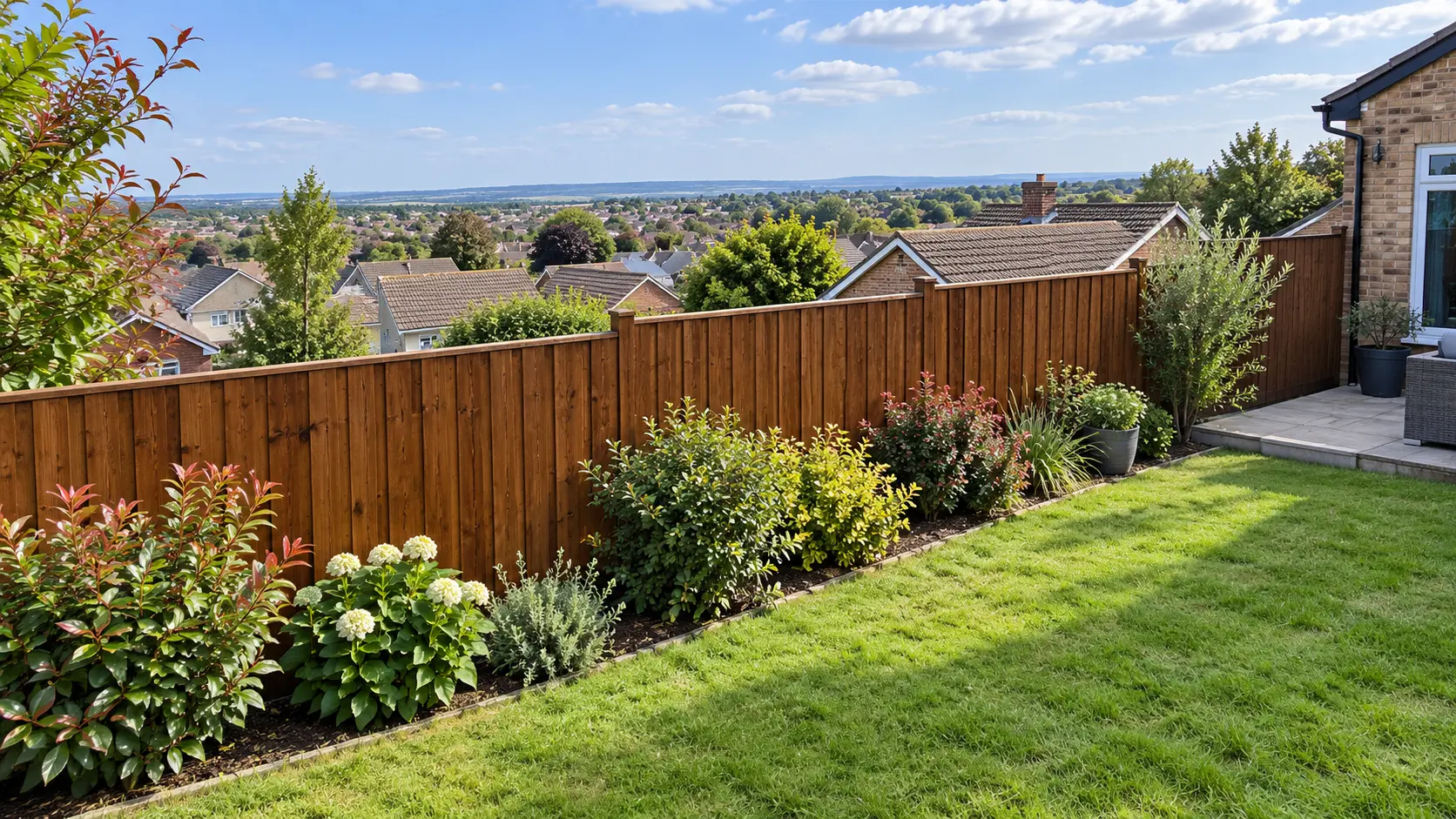
Why Close Board Fencing Is Suitable for Privacy
Close board fencing is particularly suitable for privacy because the vertical timber boards are fitted closely together and normally overlap. This leaves far fewer gaps than open fencing styles such as picket fencing. The solid surface helps screen gardens from neighbouring properties, footpaths and other nearby areas.
Fence height also has a major influence on privacy. Taller fencing can provide greater screening, although planning requirements and surrounding ground levels should be considered before deciding on the final height.
Close board fencing works particularly well around back gardens, seating areas and patios where homeowners want to reduce direct views into their outdoor space.
Because individual boards can be adjusted during installation, the fence can also follow changes in ground level more closely. This helps avoid large openings underneath. For homeowners who value privacy but still want a traditional timber boundary, close board fencing provides a strong and practical solution.
How Close Board Fencing Creates a Solid Boundary
Close board fencing creates a solid boundary by combining closely fitted vertical boards with sturdy horizontal rails and secure posts. Each part of the structure works together to create a continuous fence line around the property. The overlapping board arrangement significantly reduces visible gaps.
This makes the boundary feel more substantial than open fencing styles and provides clearer separation between neighbouring gardens. Posts provide the main structural support. They can be manufactured from timber or concrete and need to be installed securely so the fence remains upright during wind and everyday use. Horizontal rails run between the posts and provide fixing points for the vertical boards.
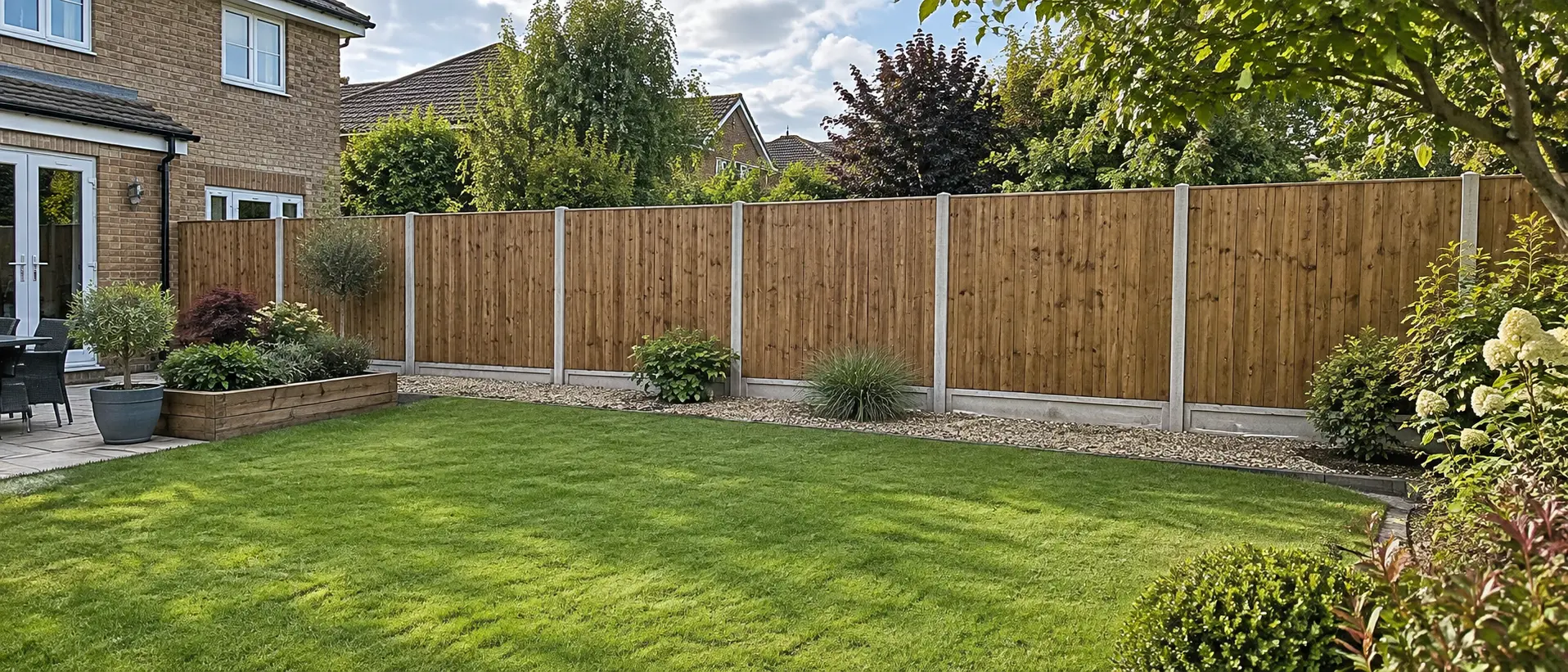
Gravel boards are often added at ground level to protect the main timber from damp soil. The complete construction creates both visual and physical separation. This can be useful where garden boundaries need to remain obvious and difficult to cross casually.
Close board fencing can also be installed at different heights, allowing the level of enclosure to match the needs of the property. Regular maintenance helps preserve the solid nature of the boundary.
Loose, broken or warped boards should be repaired promptly so gaps do not develop. When correctly installed, close board fencing provides a continuous and clearly defined perimeter that can support privacy, security and everyday garden use.
Reducing Gaps Between Fence Boards
Close board fencing is designed to minimise gaps because neighbouring boards overlap rather than sitting with open spaces between them. This helps improve both privacy and boundary definition. Correct installation is important because inconsistent spacing can still create openings. Boards should be fixed evenly along the supporting rails.
Timber naturally expands and contracts as moisture levels change, so suitable installation methods need to allow for normal movement without creating excessive gaps. Warped or damaged boards should be replaced when necessary. Ground movement can also affect the alignment of the fence over time. Regular inspection helps identify sections where boards have shifted.
Closing unnecessary gaps prevents direct views through the boundary and can also make it harder for small pets to pass through. A professionally installed close board fence should provide a consistent appearance while maintaining the overlapping construction that gives this fencing style its strong privacy benefits.
Choosing the Right Fence Height for Privacy
Fence height is one of the most important factors when using close board fencing for privacy. A taller fence can block more direct views into gardens, patios and seating areas. However, the highest possible fence is not always the most suitable choice.
The size of the garden, neighbouring ground levels and surrounding buildings should all be considered. A fence that is unnecessarily tall can make a small outdoor area feel enclosed and reduce natural light. Planning restrictions may also limit the height of fencing in particular locations, especially near roads or property frontages. The height should therefore be selected according to both privacy needs and the position of the boundary.
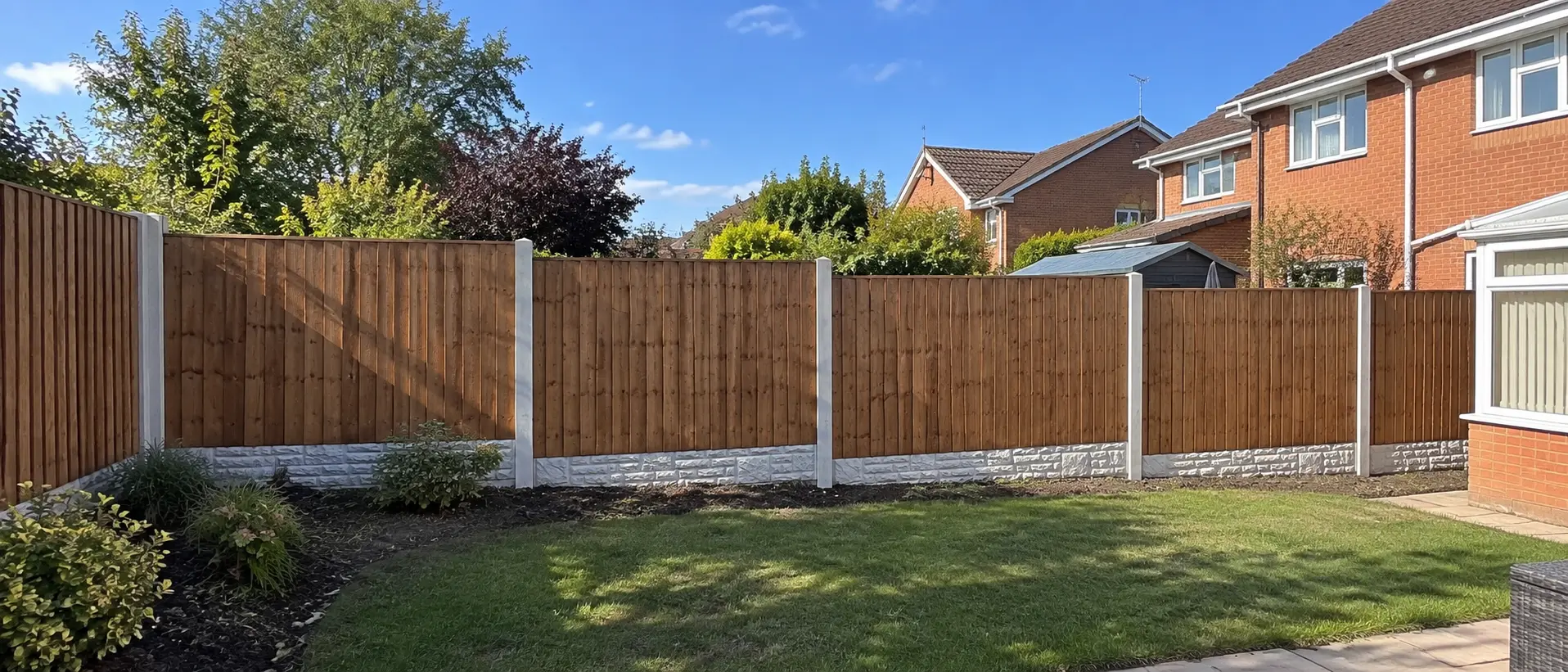
Changes in ground level can also affect how high the fence appears from each side. For example, a neighbouring garden on raised ground may require a different solution from one at the same level.
The fence structure must also be capable of supporting the chosen height. Taller close board fencing catches more wind, making strong posts and rails especially important.
A professional fencing installer can assess the site and recommend a height that balances screening, stability and appearance. Choosing carefully can provide useful privacy without making the garden feel unnecessarily restricted.
Using Close Board Fencing Around Back Gardens
Back gardens are one of the most common locations for close board fencing because privacy is often a priority. The solid timber construction can reduce direct views between neighbouring gardens. This makes it suitable around lawns, patios, seating areas and family spaces. Different heights can be used depending on the amount of screening required.
Concrete posts and gravel boards are often chosen because they provide a durable supporting structure and keep the main timber away from damp ground. Timber posts can also create a more natural appearance. Close board fencing can follow long property boundaries and can be adapted around corners or changes in level.
Matching gates can provide access between front and back gardens. Because the fence is built from individual boards, damaged sections can often be repaired locally. This makes close board fencing a practical choice for homeowners wanting a private, strong and maintainable back garden boundary.
Close Board Fencing for Front Gardens
Close board fencing can be used around front gardens where homeowners want greater privacy or stronger boundary definition than open fencing provides. The main consideration is choosing a suitable height. Tall solid fencing can significantly change how a property frontage looks.
Lower close board fencing may provide enough separation from pavements or neighbouring gardens without completely hiding the house. Driveway visibility should also be considered. Solid fencing positioned close to an entrance can restrict views of pedestrians, cyclists or traffic.
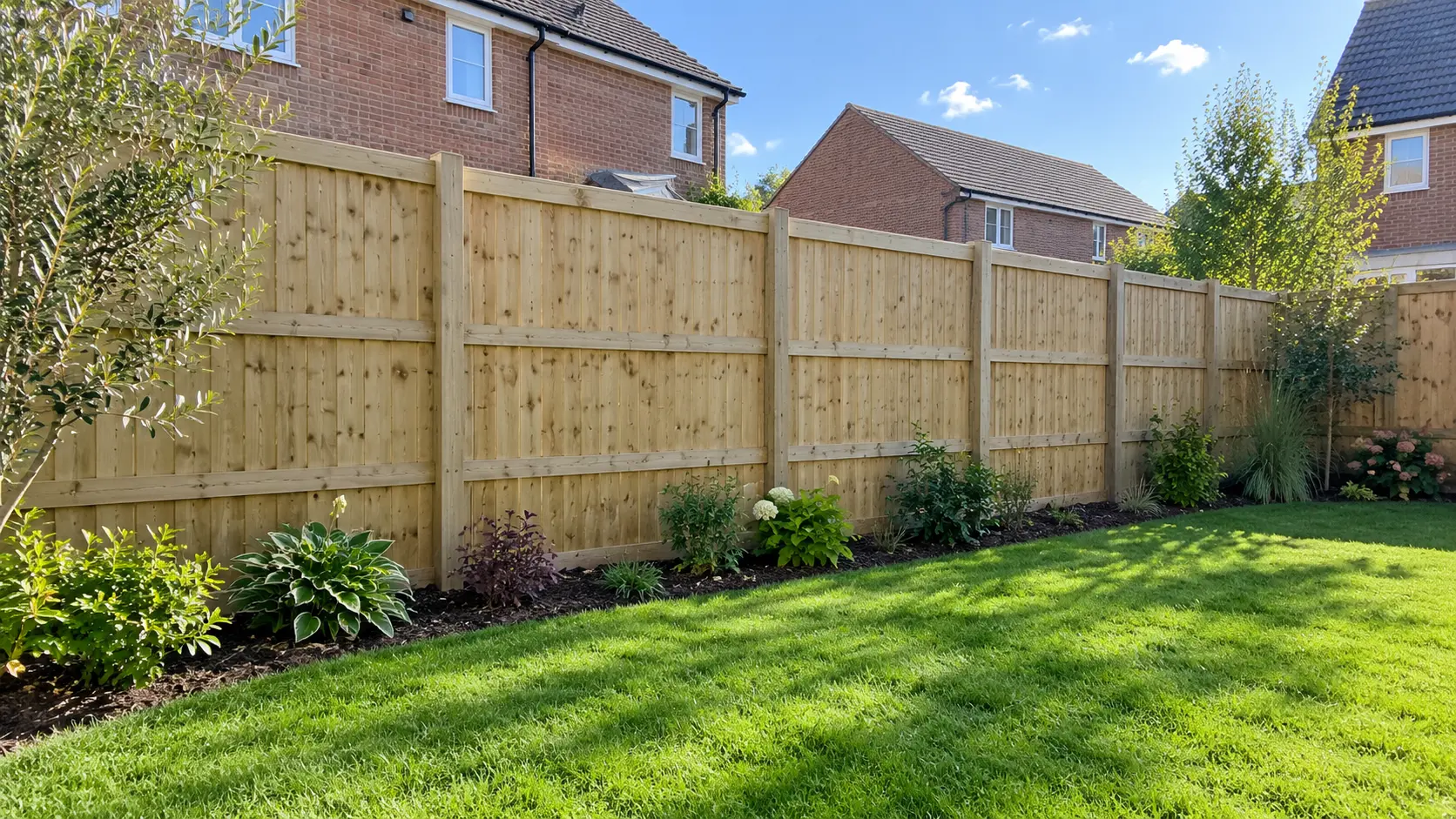
Planning requirements may apply depending on the height and position of the fence, particularly near roads. A matching gate can provide controlled pedestrian access. The timber finish can be selected to complement the property, with stains or exterior paints available in different colours.
Concrete posts can create a more structured appearance, while timber posts maintain an all-wood finish. Planting can also be used to soften the look of the solid boundary.
Close board fencing is most appropriate for front gardens where homeowners value screening and enclosure more than the open appearance created by picket fencing. Professional planning can help ensure the boundary provides privacy without negatively affecting access, visibility or the overall appearance of the property.
Close Board Fencing Along Driveways
Close board fencing can create a clear and private boundary along the side of a driveway. It can separate parking areas from neighbouring gardens, pathways or other parts of the property. Because the fence is solid, positioning near the road needs careful consideration. Drivers should retain suitable visibility when entering or leaving the driveway.
Lower sections may be appropriate close to the entrance. Posts should also be positioned where they are less likely to be struck by vehicles. Gravel boards can help protect the lower timber from road spray, mud and moisture. Matching driveway or pedestrian gates can be added where required. The fence height should balance privacy with the need for safe visibility.
A professional installer can assess the layout and recommend a practical arrangement. Close board fencing can therefore provide useful screening alongside driveways while creating a clearly defined edge between vehicle areas and surrounding land.
Creating Clear Boundaries Between Properties
Close board fencing is useful for creating clear boundaries between neighbouring properties because its solid construction provides an obvious physical division. This can make garden layouts feel more organised and reduce uncertainty about where one outdoor area ends and another begins. Before installation, the actual boundary line should be confirmed. Existing fences do not always follow the legal property boundary exactly. Homeowners may therefore need to check plans or discuss the proposed work with neighbours.
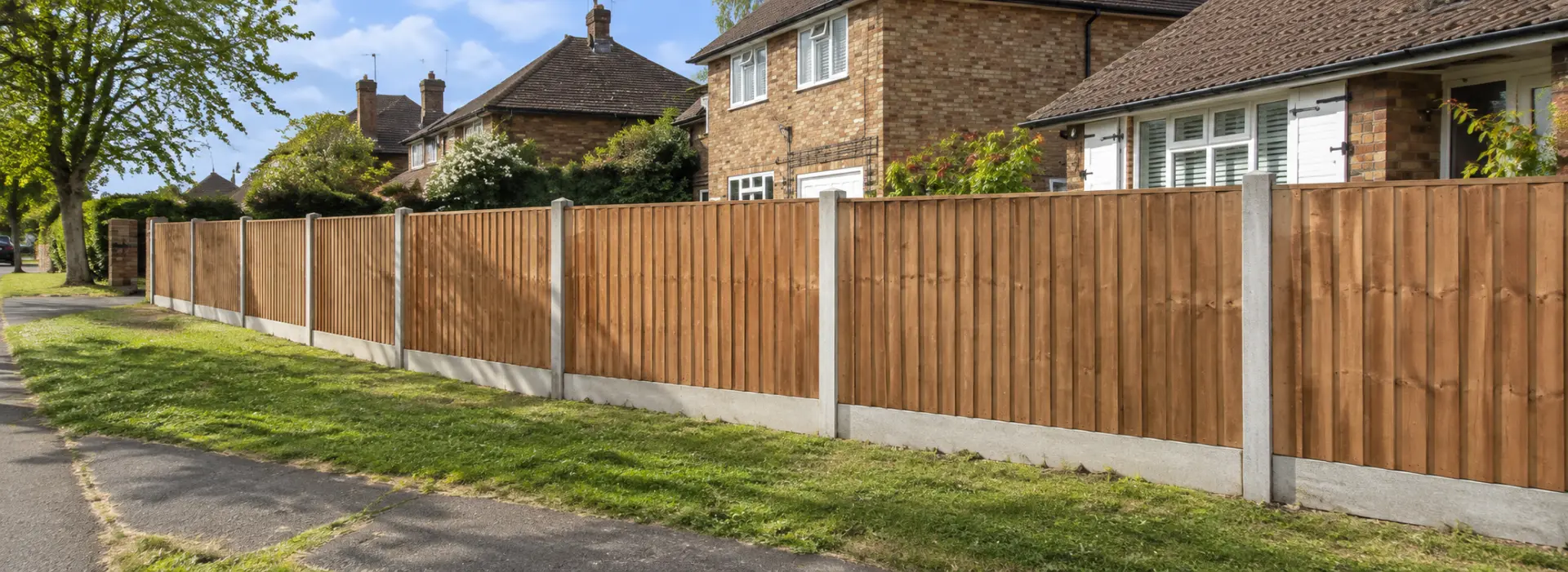
Once the correct line is established, close board fencing can create a consistent barrier along the length of the garden. Its overlapping boards provide more separation than open fencing styles. The fence height can be selected according to privacy requirements and local rules.
Concrete or timber posts can support the installation depending on the preferred specification. Where neighbouring ground levels differ, the fence may need to be stepped or adjusted so the boundary remains practical from both sides. Regular maintenance also matters.
Damaged boards should be repaired before gaps develop. Vegetation should not be allowed to push heavily against the structure from either side. A clear, well-maintained boundary can improve privacy and make shared property lines easier to understand. Professional installation helps ensure the fence follows the intended route and remains straight, stable and visually consistent over time.
Improving Privacy Around Outdoor Seating Areas
Outdoor seating areas often benefit from additional privacy, particularly where neighbouring windows or public paths overlook the garden. Close board fencing can create a solid visual screen around patios, benches and dining areas. The fence does not always need to surround the entire garden at the same height. In some situations, a taller section near the seating area can provide targeted screening.
The position of the sun and surrounding buildings should also be considered because tall fencing can create additional shade. Planting can help soften the appearance of the timber boundary. However, climbing plants should be managed so they do not hold excessive moisture against the boards. Matching screens or gates can also be incorporated.
A professional installer can assess viewing angles and recommend an appropriate height. Close board fencing provides a practical way to make outdoor seating spaces feel more private while maintaining a consistent boundary around the wider garden.
Using Close Board Fencing Around Patios and Decking
Close board fencing can be particularly effective around patios and decking because these areas are often used for relaxing, dining and entertaining. Solid fencing helps reduce direct views from neighbouring gardens and nearby footpaths. The height should be chosen carefully. Enough screening should be provided without making the area feel overly enclosed or shaded.
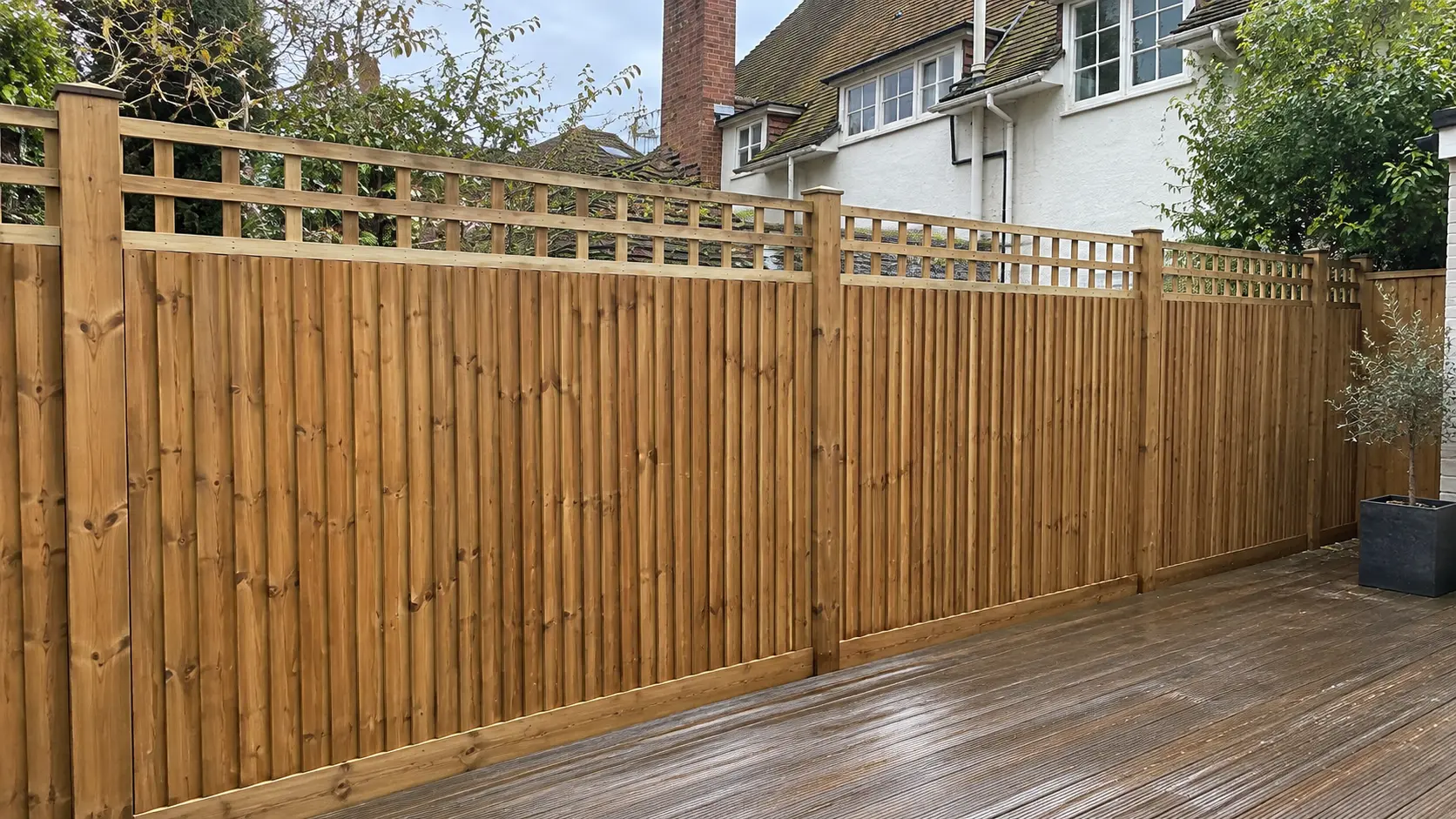
Ground levels are also important because raised decking can place users higher than the surrounding garden. A standard fence height measured from the ground may therefore provide less privacy when viewed from the deck. The fence should also be positioned so there is enough space for maintenance. Timber decking and timber fencing both require periodic treatment, so convenient access can make future work easier.
Close board fencing can also provide a backdrop for planting, outdoor furniture and lighting. Any fixtures attached to the fence should be suitable and should not place excessive weight on the boards.
Where patios sit beside shared boundaries, the correct fence line should be confirmed before work begins. Concrete posts and gravel boards can provide a durable structure close to paved areas.
Matching gates can connect the patio with other parts of the garden. With careful planning, close board fencing can turn exposed patio or decking areas into more comfortable and private outdoor spaces.
Close Board Fencing for Homes Near Roads and Footpaths
Homes near roads and public footpaths can benefit from close board fencing because the solid design provides more visual separation from passing pedestrians and traffic. This can make front, side or back gardens feel more private. Fence height needs particular attention near highways. Planning requirements may restrict how tall a boundary can be in certain positions. Visibility around driveways must also remain safe.
Close board fencing should not obstruct important sightlines for vehicles leaving the property. The fence may be lower near entrances and taller further along the boundary. Timber treatment is important because fencing beside roads can be exposed to spray, dirt and changing weather.
Regular cleaning can help maintain appearance. For properties where privacy from public areas is important, close board fencing can provide a more effective screen than open picket or decorative fencing. Professional assessment can help determine a suitable layout around access points and road-facing boundaries.
How Close Board Fencing Can Reduce Overlooking
Close board fencing can reduce overlooking by blocking direct views across garden boundaries. This can be particularly useful where neighbouring properties, footpaths or shared access routes sit close to private outdoor areas. The solid overlapping boards create a continuous visual screen. Fence height is the main factor that determines how much overlooking can be reduced. However, nearby buildings may have upper-storey windows positioned well above the fence line. In these situations, fencing alone may not provide complete privacy. Garden levels can also affect the result.
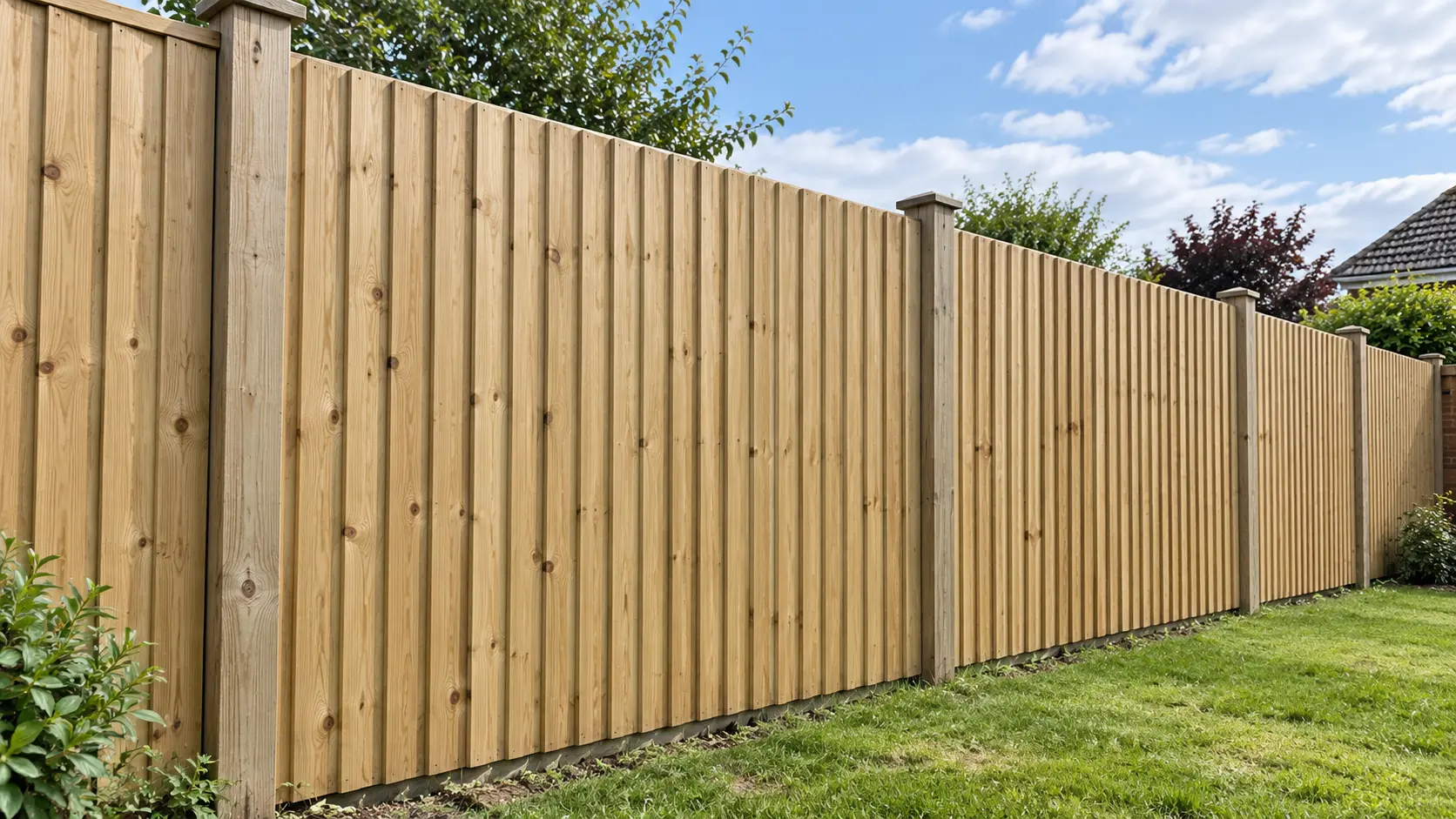
A neighbour standing on higher ground may still see over a boundary that appears tall from the lower side. Professional planning can help identify where fencing will make the greatest difference.
Strategically positioned planting can sometimes provide additional screening above the fence over time. Any planting should be maintained so it does not overload or trap moisture against the timber.
Close board fencing is particularly effective for reducing views at normal ground level. This can make seating areas, patios and lawns feel more private during everyday use. Homeowners should balance screening with natural light and the overall character of the garden. A well-positioned close board fence can substantially reduce direct overlooking while still providing an attractive and clearly defined property boundary.
Using Close Board Fencing Around Children and Pets
Close board fencing is often suitable for gardens used by children and pets because the boards create a mostly solid boundary. There are very few gaps for small animals or young children to pass through. Fence height should still reflect the intended use. Larger dogs may require a taller boundary.
Gates need secure latches and should not leave large openings underneath. The base of the fence should also be checked where pets are likely to dig. Timber should remain free from sharp splinters, protruding nails and broken boards. Regular inspections are therefore important. Close board fencing should not be treated as a specialist safety barrier or a replacement for supervision.
However, it can create a more enclosed garden than open fencing systems. A professional installer can adjust gate arrangements, lower gaps and fence height to suit the household and create a practical boundary for family use.
Strengthening Boundaries with Timber or Concrete Posts
Posts are one of the most important structural parts of close board fencing because they support the rails and vertical boards. Choosing suitable posts helps the boundary remain upright and stable during everyday use and changing weather. Timber posts provide a traditional appearance and create an all-wood fence. They need to be suitable for external ground contact and installed correctly to reduce the risk of early decay.
Regular inspection around ground level is important. Concrete posts provide a different maintenance profile. They are not affected by timber rot and can provide strong support for long fence runs. They are commonly combined with concrete gravel boards.
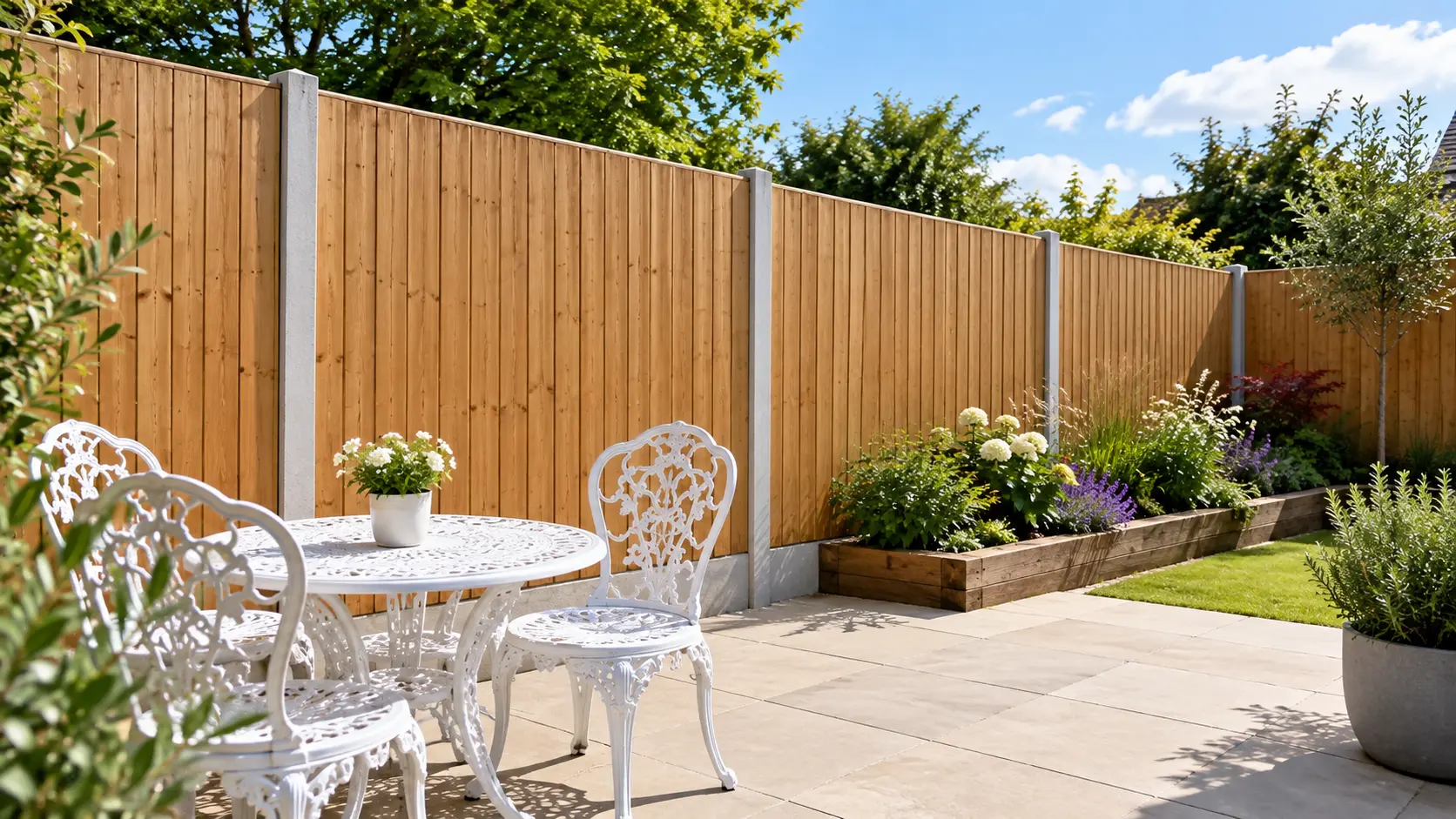
The main consideration is appearance because some homeowners prefer the softer look of timber. Post spacing also influences strength. Posts installed too far apart can allow rails and boards to flex more under wind pressure. The required specification depends on fence height, ground conditions and site exposure. Tall fencing in windy areas may require particularly robust support.
Gate posts also carry additional loads and may need to be larger or installed differently. Professional installers assess these factors before determining the post arrangement.
Choosing appropriate posts from the beginning helps reduce movement, leaning and repeated repairs later. A strong supporting structure allows the close board fencing to provide reliable privacy and boundary protection throughout its working life.
Why Gravel Boards Help Protect the Fence
Gravel boards are fitted along the bottom of close board fencing to separate the main timber boards from direct contact with the ground. This helps reduce moisture exposure. Wet soil, leaves and garden debris can hold water against timber for long periods.
Keeping the main fencing above these materials can help reduce decay. Gravel boards also protect the lower section from minor impacts caused by lawnmowers, strimmers and garden tools. They can be manufactured from timber or concrete.
Concrete gravel boards provide strong resistance to ground-level moisture. Timber versions create a more consistent wooden appearance but still require maintenance. They can also make future repairs easier because the lower protective section can sometimes be replaced separately. Gravel boards do not remove the need for timber treatment, but they provide a useful additional layer of protection. Including them can help extend the life of the main close board fence.
Close Board Fencing for Uneven Ground
Close board fencing is well suited to uneven ground because it is constructed from individual components rather than fixed-size complete panels. This gives installers more flexibility when the garden rises, falls or changes level irregularly. One option is to step the fence between posts. Each section remains level while its height changes along the boundary. The boards can also sometimes be adjusted to follow smaller ground variations more closely. The best approach depends on the appearance required and the severity of the uneven ground. Posts should always remain vertical.
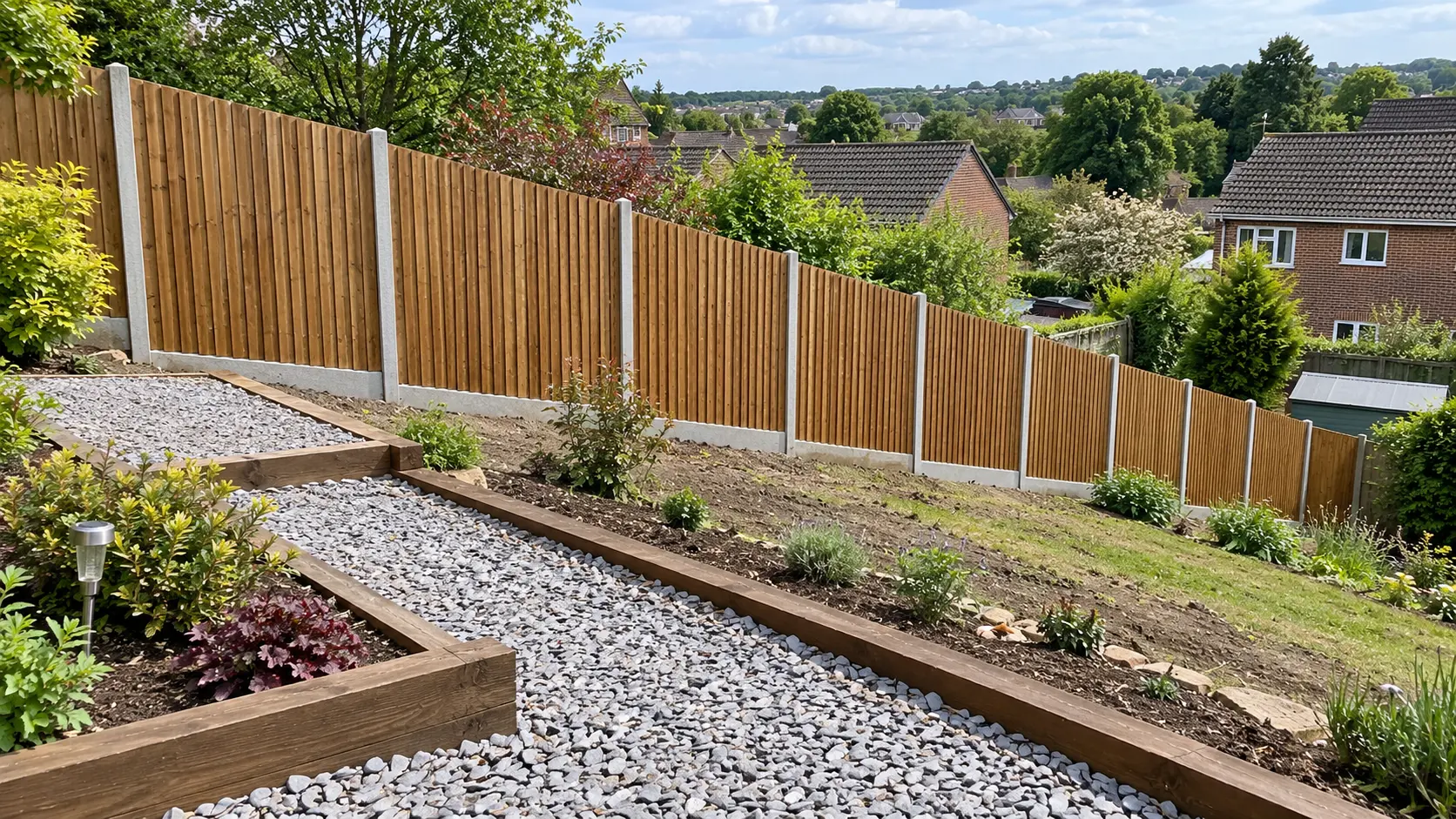
Gravel boards may also need to be stepped or cut appropriately. Careful installation helps reduce large openings beneath the fence. This is particularly important where the boundary is intended to contain children or pets.
Drainage also deserves attention because low points can collect water around posts and timber. Gate positions should be chosen carefully because uneven ground can interfere with opening clearance. A gate may need to swing towards the lower side.
Professional measurement helps establish post positions and section heights before installation begins. The flexible nature of close board construction makes it possible to create a relatively consistent upper fence line while accommodating difficult terrain below. This provides homeowners with a solid privacy boundary even where the garden is not completely level.
Close Board Fencing for Sloping Gardens
Sloping gardens can usually accommodate close board fencing because the system can be adjusted gradually as the ground level changes. A stepped installation is one common approach. Fence sections remain level while moving higher or lower between posts. Another option may be to follow the general slope more closely.
The best method depends on the gradient and preferred appearance. Posts still need to remain vertical. Gravel boards and individual fence boards may require adjustment to avoid large gaps beneath the boundary. Gate placement can also be more complicated on slopes.
The ground must allow enough clearance for the gate to open freely. Professional installers can measure the gradient and determine the most practical arrangement. Close board fencing provides more flexibility than many standard panel systems, making it a useful choice for sloping gardens where privacy and solid boundary protection remain important.
How Durable Is Close Board Fencing?
Close board fencing can provide a durable garden boundary when good materials are combined with correct installation and regular maintenance. Its construction uses separate posts, rails and vertical boards, allowing each component to support the wider structure.
Durability depends partly on the timber used. Boards and timber posts need appropriate protection from weather and moisture. Regular treatment can reduce fading, cracking and decay. Concrete posts can provide particularly long-lasting structural support because they are not affected by timber rot at ground level. Gravel boards can also improve durability by keeping the main timber clear of damp soil. Wind exposure is another factor.
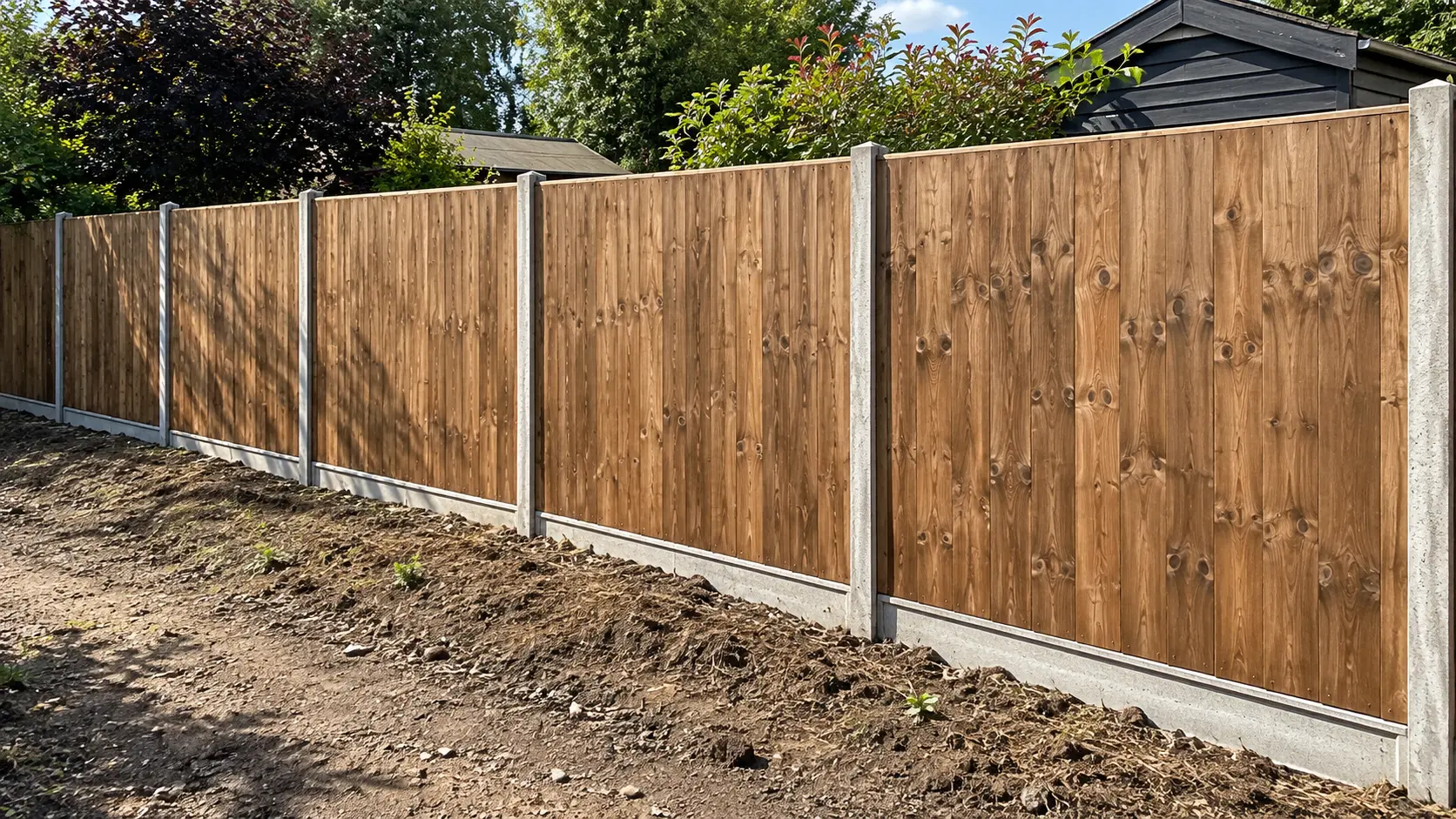
Close board fencing has a solid surface, which means secure posts and rails are important in exposed locations. Storm damage can still occur if components are already weakened.
One useful advantage is repairability. Individual boards can often be replaced when they split or break. Rails and posts can also be repaired or replaced where appropriate. This means localised damage does not always require a complete new fence.
Regular inspection helps identify loose fixings, rot and movement before problems become widespread. With good materials, suitable posts and consistent maintenance, close board fencing can provide reliable privacy and boundary protection for many years.
MD Fencing & Decking provides professional close board fencing across Milton Keynes and Buckinghamshire, offering strong, private and long-lasting fencing for homes, gardens and commercial properties. Our team installs, repairs and replaces close board fencing to suit a wide range of outdoor spaces and requirements.