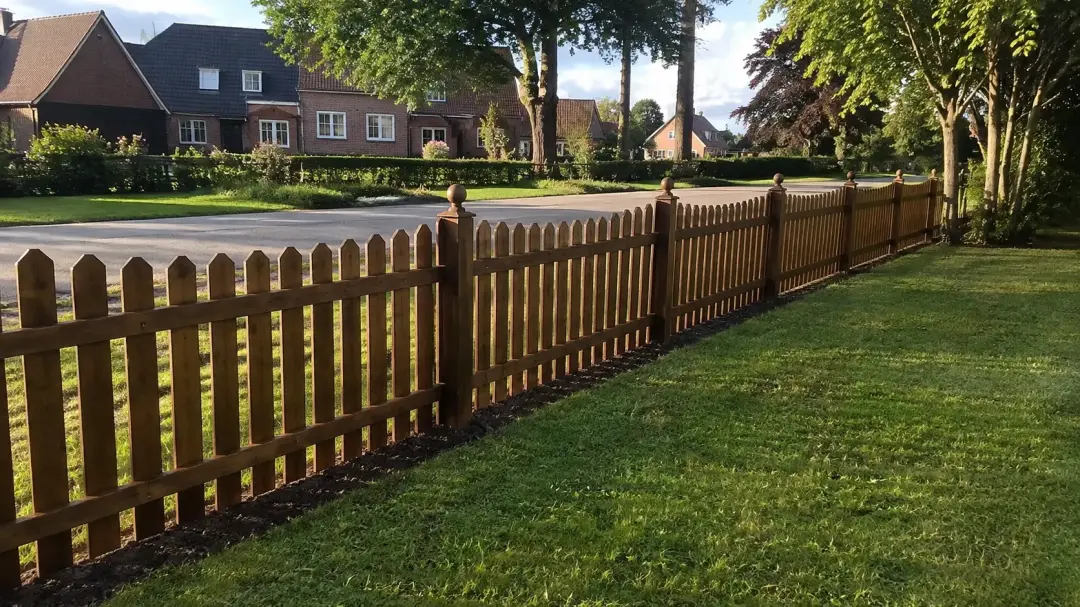
How Often Should Wooden Picket Fencing Be Treated?
Wooden picket fencing will normally need treating every few years, although the exact interval depends on the product used, timber condition and level of weather exposure. Some stains and preservatives require more frequent reapplication than durable exterior paint systems. Rather than relying only on a fixed schedule, inspect the fence regularly for signs that its protective finish is deteriorating.
Fading, dry-looking timber and increasing water absorption can indicate that another treatment is needed. Fences in highly exposed locations may require attention sooner because they receive more rain, sunlight and wind. Shaded fencing can experience different problems because moisture may remain on the timber for longer.
Always follow the instructions provided with the chosen treatment because recommended reapplication periods vary between products. Regular inspection combined with timely treatment provides better protection than waiting until the timber shows extensive cracking, peeling or decay before carrying out maintenance.
What Affects How Often Treatment Is Needed?
Several factors determine how often wooden picket fencing needs treatment. The type of timber is important because different woods naturally withstand weather exposure differently. The treatment already applied also has a major influence. Some exterior stains soak into the timber, while paints create a more visible surface coating. Each finish weathers differently and may require a different maintenance schedule. Fence location is another important consideration. A south-facing fence receiving strong sunlight can fade and dry more quickly. Fencing exposed to driving rain may absorb more moisture, particularly where the existing treatment has started wearing away.
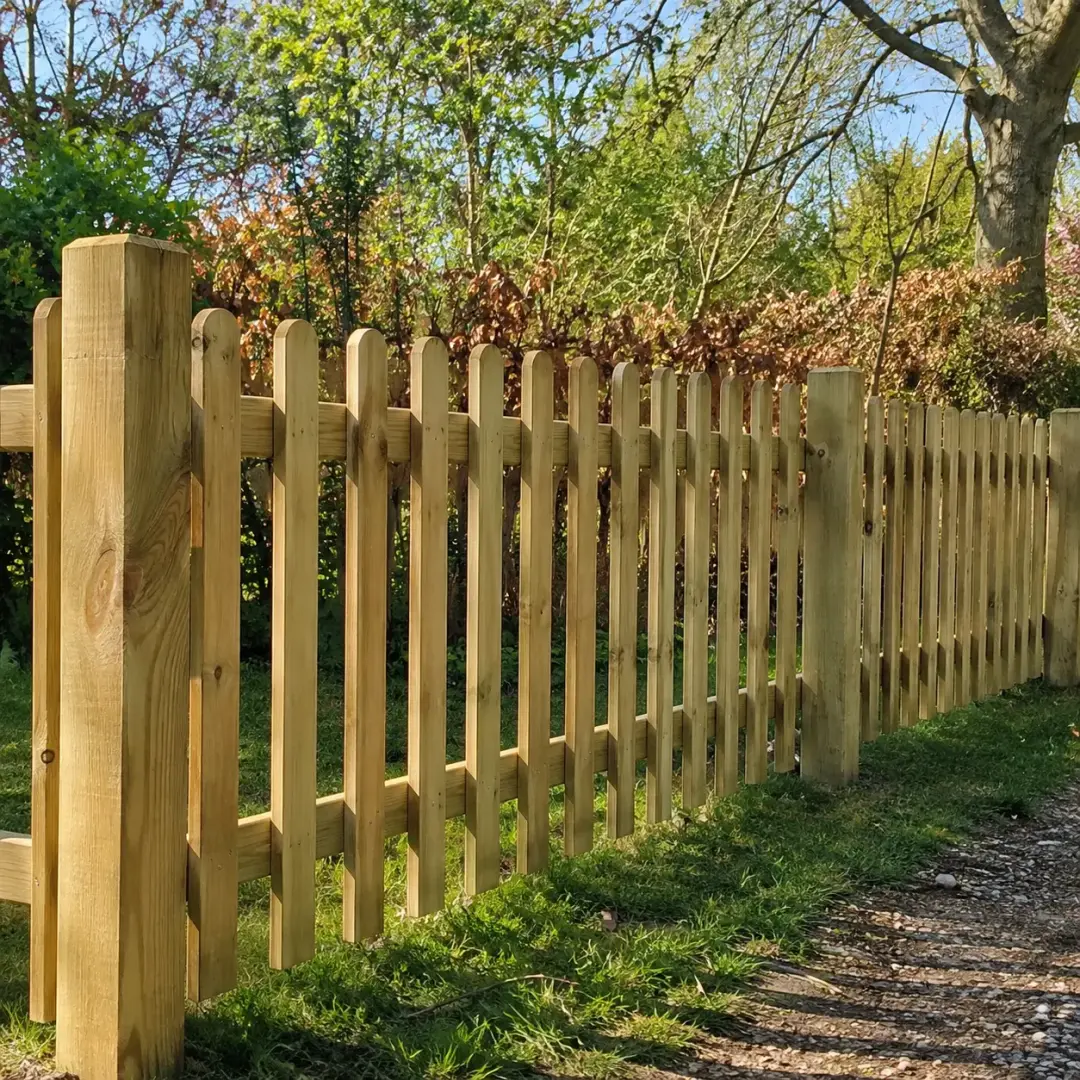
Areas beneath trees or in heavy shade can remain damp for longer after rainfall. The condition of the fence at the time of treatment also affects how long protection lasts. Properly cleaned and prepared timber generally provides a better surface for new treatment.
Fence posts and cut timber ends may need additional attention because these areas can be particularly vulnerable to moisture. Regular inspections make it easier to adapt maintenance to actual conditions.
Instead of applying treatment at an arbitrary interval, owners can look for changes in colour, surface condition and water resistance. Treating the fence when protection begins deteriorating helps reduce the likelihood of avoidable timber damage.
How Weather Conditions Affect Wooden Fencing
Wooden fencing is continuously exposed to changing weather, which can gradually affect its condition. Rain introduces moisture into timber where protective coatings are worn or damaged. Repeated wetting and drying can cause the wood to expand and contract.
Over time, this movement may contribute to cracks, splits and warping. Strong sunlight can dry the timber and fade stains or paint. Wind can also place physical pressure on pickets, rails and posts, particularly during storms. Cold weather may create additional problems where water has entered small cracks and joints.
Fences in exposed locations can therefore need treatment more frequently than those protected by neighbouring buildings or vegetation. Regular maintenance helps reduce the effect of changing weather by keeping the surface protected. Owners should inspect fencing after particularly severe weather because damage to pickets, posts or coatings can leave untreated timber exposed.
Are you considering garden fencing installation or replacement?
MD Fencing & Decking work throughout Hertfordshire and Buckinghamshire, covering the A10 corridor from the start of the M25 up into Buntingford. Our services also cover Milton Keynes and nearby areas including:
How Sunlight Can Damage Timber
Sunlight can gradually affect the appearance and surface condition of wooden picket fencing. Ultraviolet exposure breaks down the outer fibres of timber, which can cause the wood to fade and develop a grey or weathered appearance. Strong sunlight can also dry the surface repeatedly. As moisture levels change between dry and wet conditions, timber can expand and contract. This movement contributes to surface cracking and splitting. Paint and stain are affected by sunlight as well. Colours may fade, while older coatings can become brittle or begin peeling.
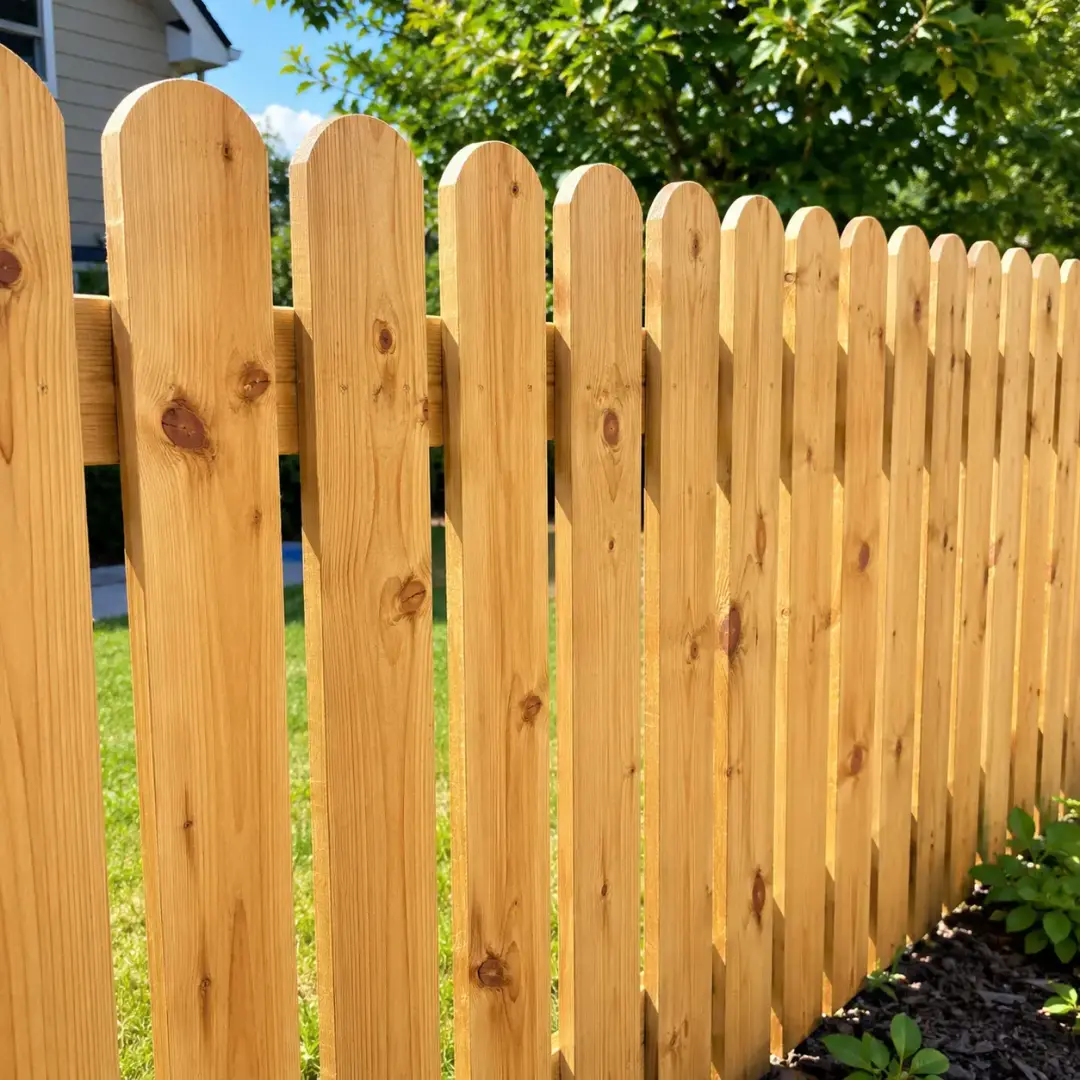
Fences receiving direct sunlight for much of the day may therefore need more frequent inspection. Exterior treatments designed for timber can help reduce UV-related deterioration. Stains may contain pigments that provide additional protection, while suitable exterior paints form a protective surface layer.
Preparation remains important because applying new treatment over loose or damaged coatings will not provide effective long-term protection. Sun damage is usually gradual rather than sudden.
Checking the fence every year makes it easier to notice fading, dry timber and deteriorating finishes early. Reapplying suitable treatment before the previous protection has completely failed can help maintain the timber and keep the picket fence looking presentable.
How Rain and Moisture Affect Picket Fencing
Rain and moisture are among the main causes of deterioration in wooden fencing. Untreated or poorly protected timber can absorb water whenever it rains. The wood then expands as moisture levels increase and contracts again as it dries. Repeated movement can contribute to cracking, splitting and warping. Persistent dampness can also create conditions where timber decay develops.
Fence posts are particularly vulnerable where they meet the ground because moisture can remain around these areas for long periods. Horizontal surfaces and exposed cut ends may also absorb water readily. Suitable treatment helps reduce water penetration but does not make timber completely waterproof.
Good fence design and drainage around posts remain important. After prolonged wet weather, inspect the fencing for areas that stay damp noticeably longer than surrounding timber. Early treatment and repairs can reduce the chance of moisture-related problems becoming serious structural damage.
Signs Your Fence Needs Treating
Several visible signs can indicate that wooden picket fencing needs fresh treatment. One of the most obvious is fading, particularly where a previously rich stain has become pale or uneven. The timber may also start looking dry, rough or grey as the previous protection wears away. Check how water behaves on the surface after rainfall. If moisture soaks quickly into the wood rather than remaining on the treated surface, protection may be deteriorating. Cracking and splitting can also indicate that the timber has been experiencing repeated weather exposure.
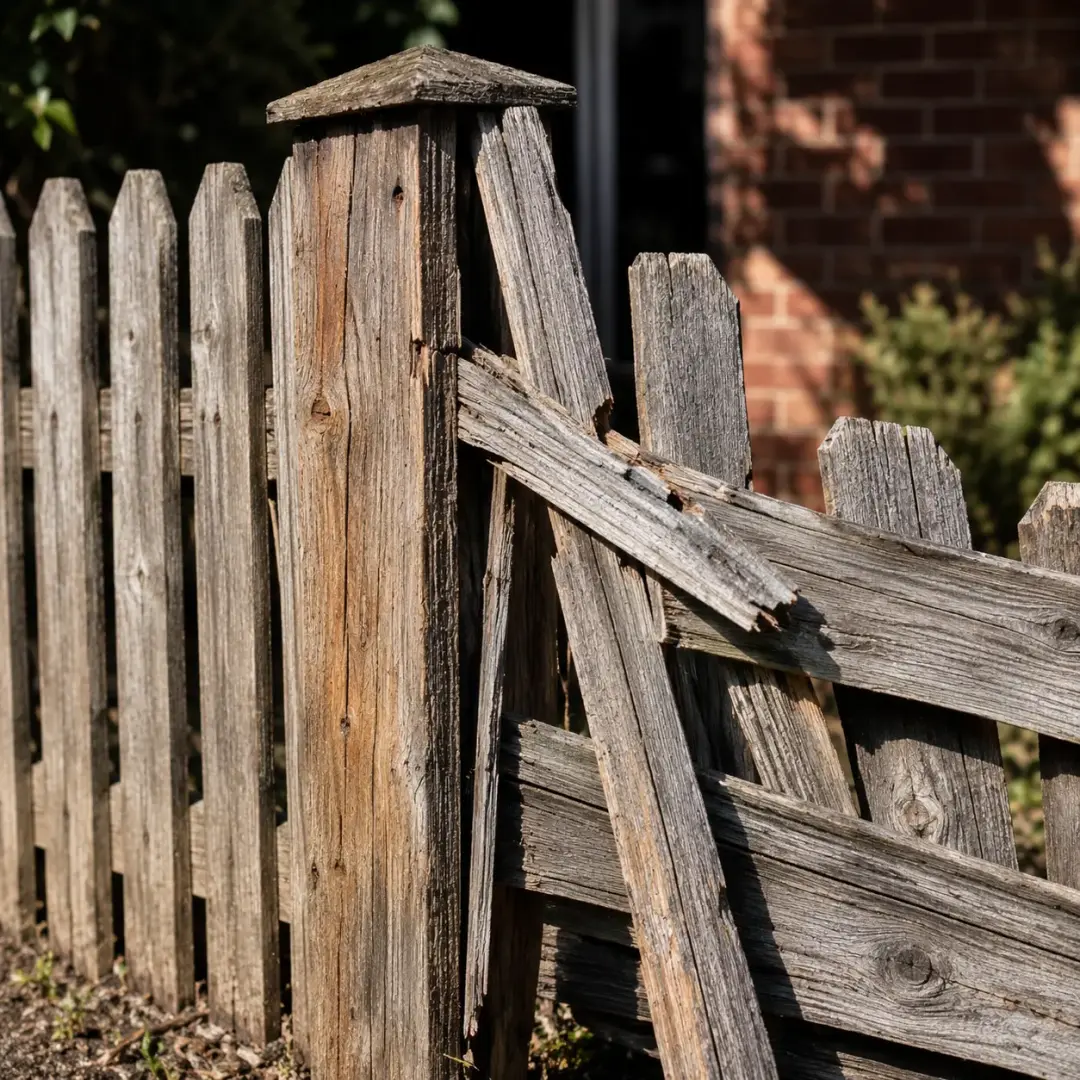
Painted fences may develop peeling, bubbling or flaking areas that leave bare wood underneath. Dark staining, persistent dampness or soft sections require closer investigation because these can indicate decay rather than simply a need for fresh treatment.
Pay particular attention to the lower sections of pickets and fence posts. Areas around fixings and cut ends can also lose protection more quickly.
Regular inspections make these warning signs easier to notice before deterioration becomes widespread. Treatment is most effective when the timber remains structurally sound. If rot or severe splitting has already developed, repair or replacement may be necessary before any new preservative, stain or paint is applied.
Fading or Discolouration
Fading or discolouration is often one of the earliest signs that a wooden fence treatment is ageing. Sunlight can gradually reduce the colour of stains and paints. Untreated timber may also become grey as its surface weathers naturally. Colour changes do not always mean the fence is structurally damaged, but they provide a useful indication that the protective finish should be inspected.
Uneven patches may show where treatment has worn more quickly. Green or dark discolouration can sometimes be associated with algae, dirt or persistent moisture rather than simple fading. The fence should therefore be cleaned and inspected before another coating is applied. If the underlying timber remains solid, reapplying a suitable treatment can restore appearance and renew protection.
Owners do not need to wait until the entire fence has lost its colour. Addressing deterioration when fading first becomes noticeable can make preparation easier and help prevent exposed timber from absorbing unnecessary moisture.
Cracking and Splitting Timber
Cracking and splitting can develop as wooden fencing repeatedly absorbs and loses moisture. Timber expands when damp and contracts as it dries, creating stresses within the wood over time. Small surface cracks are relatively common outdoors, but larger splits can weaken individual pickets, rails or posts. Sunlight can make the problem worse by drying exposed surfaces quickly. Inspect cracks to determine whether they are superficial or extend deeply through the timber. Minor surface deterioration may be addressed during normal preparation and treatment. Larger splits may require repair, reinforcement or replacement of the affected component.
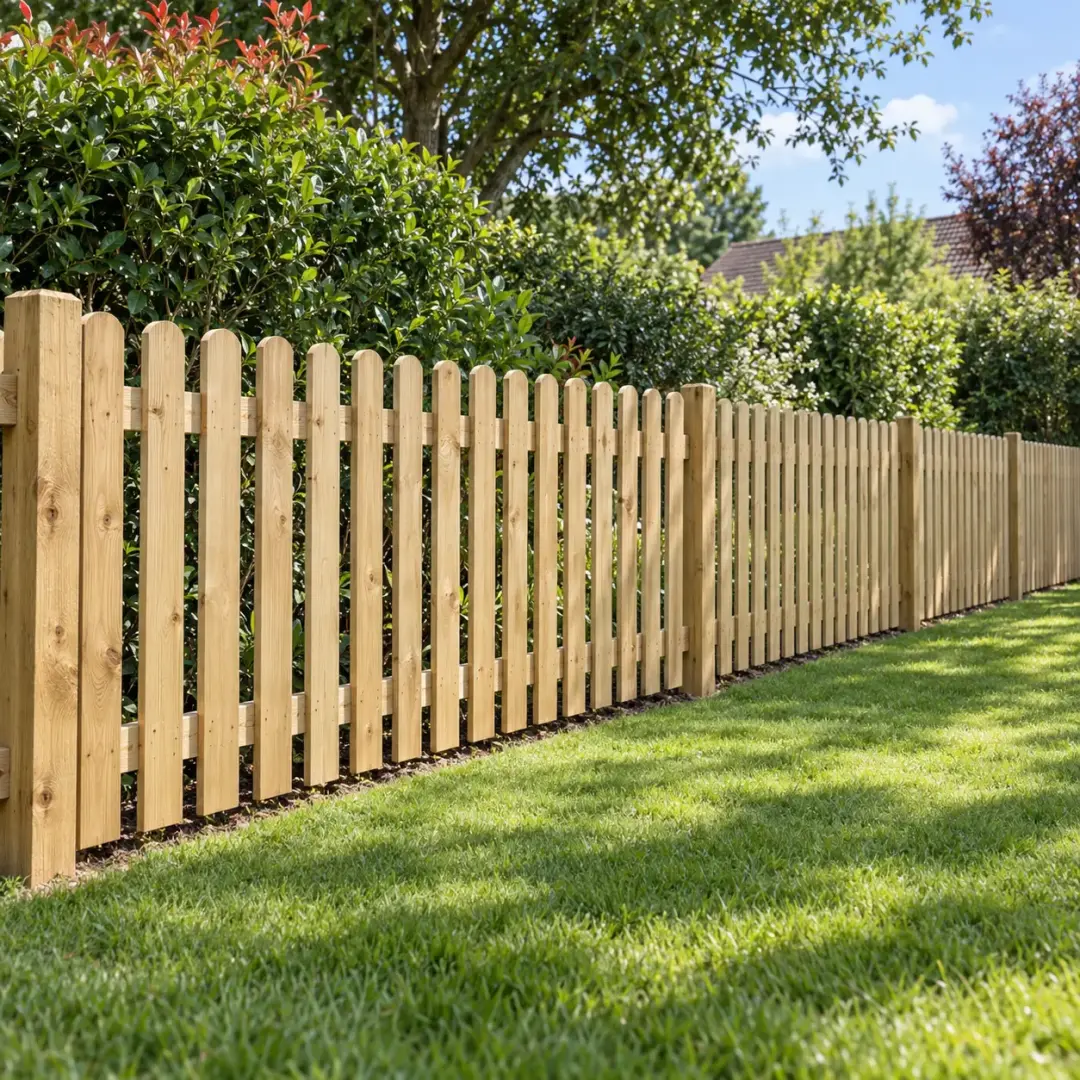
Applying fresh preservative, stain or paint over badly damaged timber will not restore its original strength. Cracks can also allow more water to enter the wood, making further deterioration more likely.
Particular attention should be given to the ends of rails and pickets because exposed end grain absorbs moisture readily. Suitable treatment can help reduce future moisture movement once repairs have been completed.
Regular maintenance is valuable because early surface changes are much easier to manage than widespread splitting. Keeping the timber protected from excessive moisture and sunlight will not stop natural movement completely, but it can reduce the conditions that contribute to premature cracking.
Signs of Rot or Soft Wood
Rot can develop when wooden fencing remains damp for long periods and conditions allow the timber to decay.
Soft or crumbling wood is an important warning sign. Check fence posts near ground level because these areas are particularly exposed to moisture. The bottom of pickets and rails can also be affected. Discolouration alone does not confirm rot, so the timber should be inspected carefully.
If wood feels unusually soft or breaks apart easily, simple surface treatment is unlikely to solve the problem. Rotten sections usually need repairing or replacing.
Applying stain or paint over decayed timber may hide the damage temporarily while allowing structural deterioration to continue. Once damaged components have been replaced, suitable treatment can help protect the new timber. Improving drainage and preventing vegetation from holding moisture against the fence can also help. Regular inspections make it easier to identify decay before it spreads through important structural sections of the fencing.
Peeling Paint or Stain
Peeling paint is a clear sign that the protective finish on wooden picket fencing is beginning to fail. Flaking coatings expose areas of bare timber directly to rain and sunlight.Stains usually weather differently because many penetrate the wood rather than forming a thick surface film. However, some products can still become uneven, patchy or worn with age.Before applying a new finish, loose material should be removed.Painting directly over peeling surfaces will usually result in poor adhesion because the new coating depends on an unstable layer underneath.Moisture may also become trapped if the underlying wood is not allowed to dry properly.
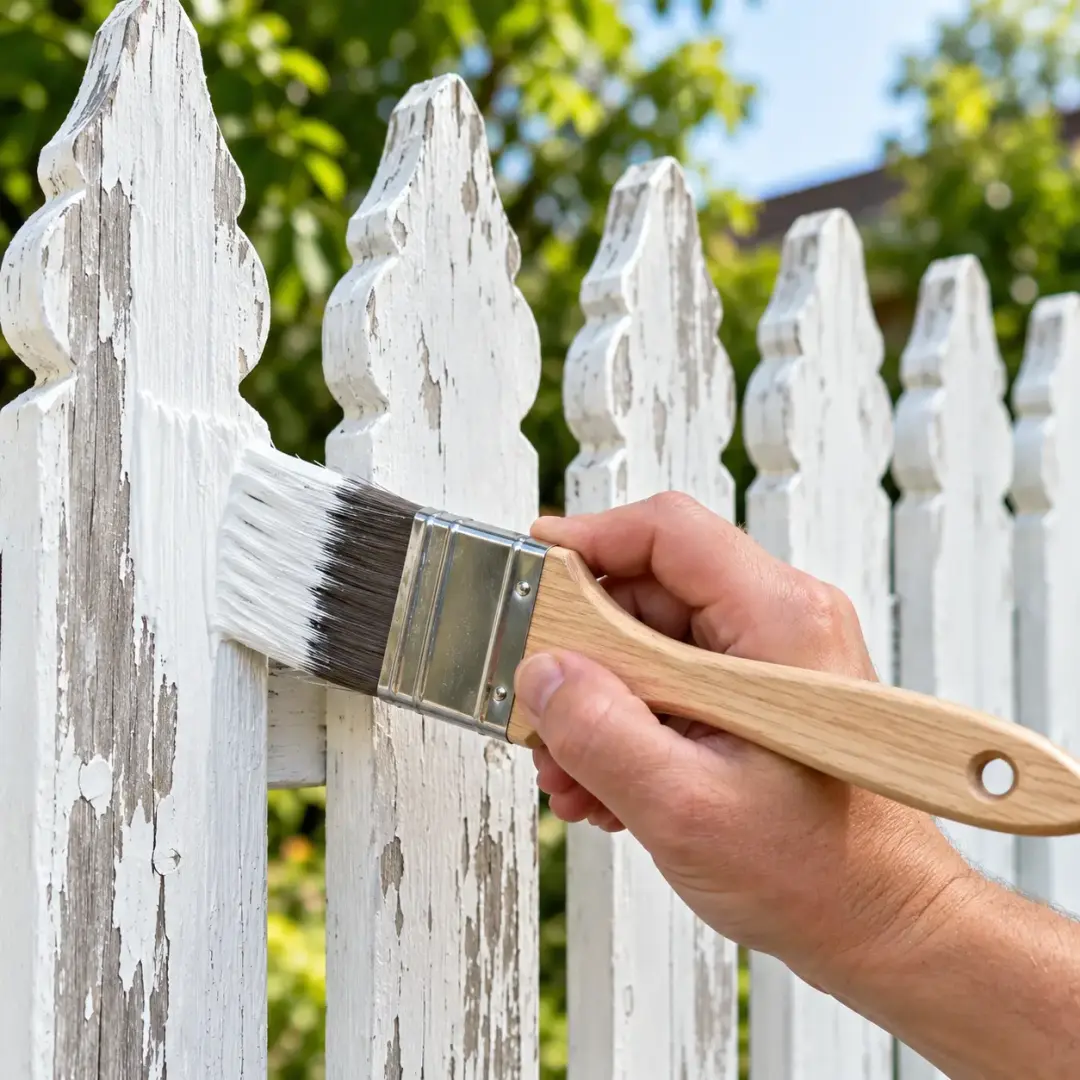
Inspect the timber once loose paint has been removed.Any rot, cracks or damaged pickets should be dealt with before decorating continues.The surface may need sanding to create a suitable base for the new coating.
Where the existing treatment remains firmly attached, preparation can sometimes focus on cleaning and lightly abrading the surface according to the new product requirements.The chosen paint, stain or preservative should be suitable for exterior timber.
Proper preparation takes additional time, but it helps new treatment adhere more effectively and provides better protection than simply covering visible peeling areas with another coat.
How to Prepare Picket Fencing for Treatment
Good preparation helps wood treatment bond correctly and provides a more even finish. Begin by inspecting the entire fence for loose pickets, protruding fixings, rot and structural damage. Repairs should be completed before treatment starts. Next, remove dirt, algae and loose surface material. Previously painted fences may need scraping and sanding where coatings have begun peeling.
The timber should be dry before most stains, preservatives or paints are applied. Applying products to wet wood can reduce absorption or adhesion. Nearby plants and surfaces may need protection from splashes. Read the instructions for the treatment before starting because preparation requirements vary.
Some products can be applied to previously treated timber, while others require a clean bare surface. Take particular care around cut ends and joints where moisture commonly enters. Careful preparation improves the appearance of the finished fence while helping the treatment provide more consistent protection across the timber.
Cleaning the Fence Before Treatment
Cleaning wooden picket fencing before treatment removes dirt, algae, dust and loose material that could prevent the new product from bonding or soaking into the timber correctly. Start by removing leaves, cobwebs and other loose debris. A stiff brush may be useful for general dirt. More heavily soiled fencing may need a suitable exterior wood cleaner. Any cleaning product should be compatible with timber and the treatment that will be applied afterwards. Pressure washing can clean some fencing quickly, but excessive pressure may damage soft wood fibres or drive water deeply into the timber.
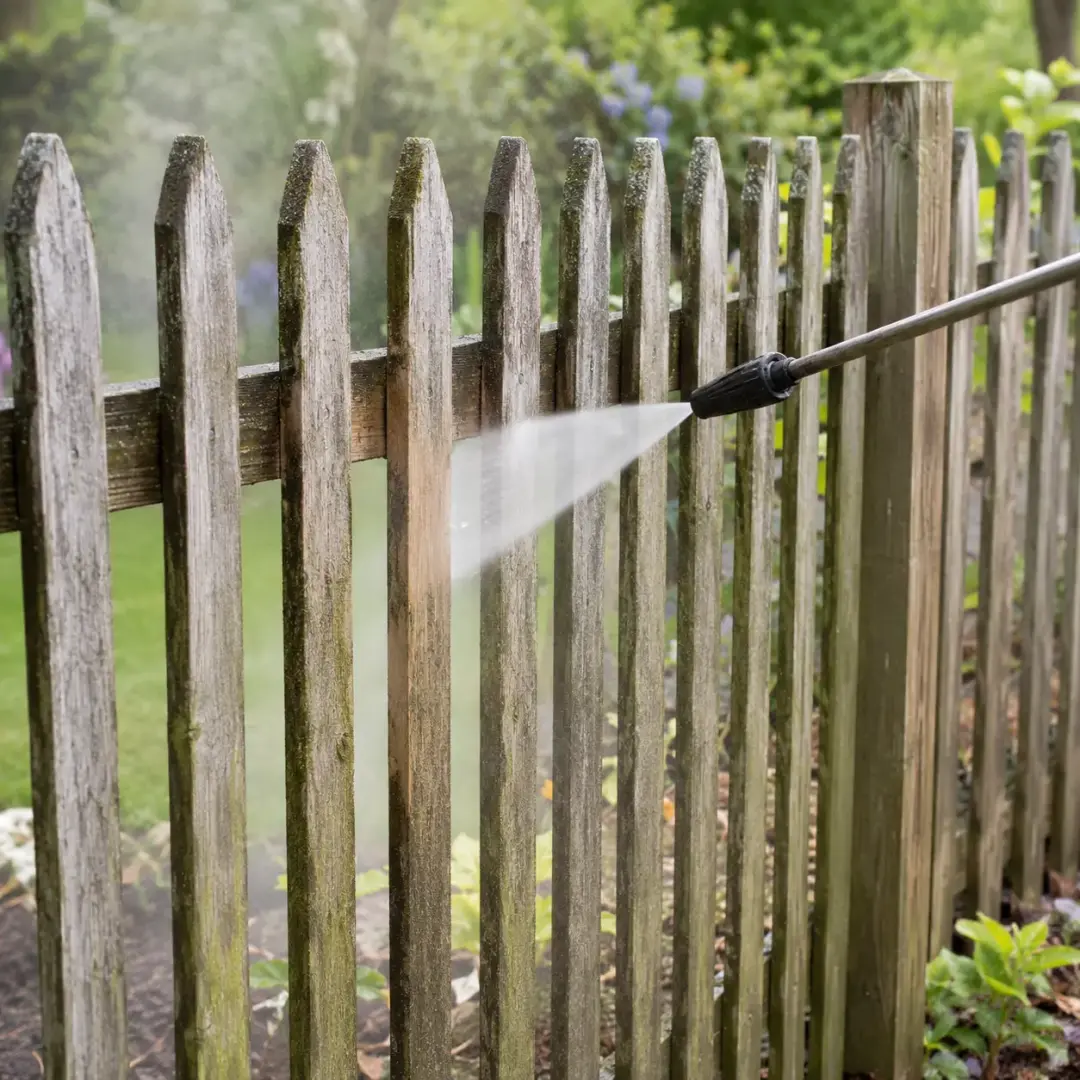
If this method is used, suitable care is needed. The fence must then be allowed to dry thoroughly before treatment. Check areas behind plants and close to the ground because these can remain damp for longer.
Cleaning also provides a useful opportunity to inspect the wood closely. Rot, cracked pickets and loose fixings may become more obvious once dirt has been removed. Do not treat over moss or algae because the finish may fail prematurely.
A clean, dry and structurally sound surface gives wood preservers, stains and exterior paints a much better foundation. This preparation can make the finished appearance more consistent and improve the durability of the treatment.
Removing Old Paint or Stain
Old loose paint should normally be removed before a wooden picket fence is repainted. Scrapers and suitable abrasives can be used to remove peeling material and smooth rough edges. The entire coating does not always need stripping if the remaining paint is sound and compatible with the new system. Stained fences may require less aggressive preparation, depending on the product previously used.
Loose or deteriorated material still needs to be removed. After scraping, sanding can help create a smoother transition between bare timber and existing coatings. Dust should then be cleaned away. If chemical stripping products are considered, make sure they are suitable for exterior timber and follow the instructions carefully.
Do not apply new treatment until the wood is dry. Removing unstable coatings prevents the fresh finish being attached to material that is already separating from the fence. Good preparation therefore improves both the appearance and durability of the next treatment.
Repairing Damaged Pickets Before Treatment
Damaged pickets should be repaired or replaced before treatment so the new finish protects a sound fence rather than covering existing structural problems. Begin by checking each picket for cracks, rot, looseness and broken sections.
Minor splits may sometimes be repairable depending on their position and severity. Pickets that are badly rotten or broken are generally better replaced. Fixings should also be inspected. Loose nails or screws can allow pickets to move, creating further damage during strong winds. Rails and posts need checking as well because there is little benefit replacing individual pickets if their supporting structure is failing.
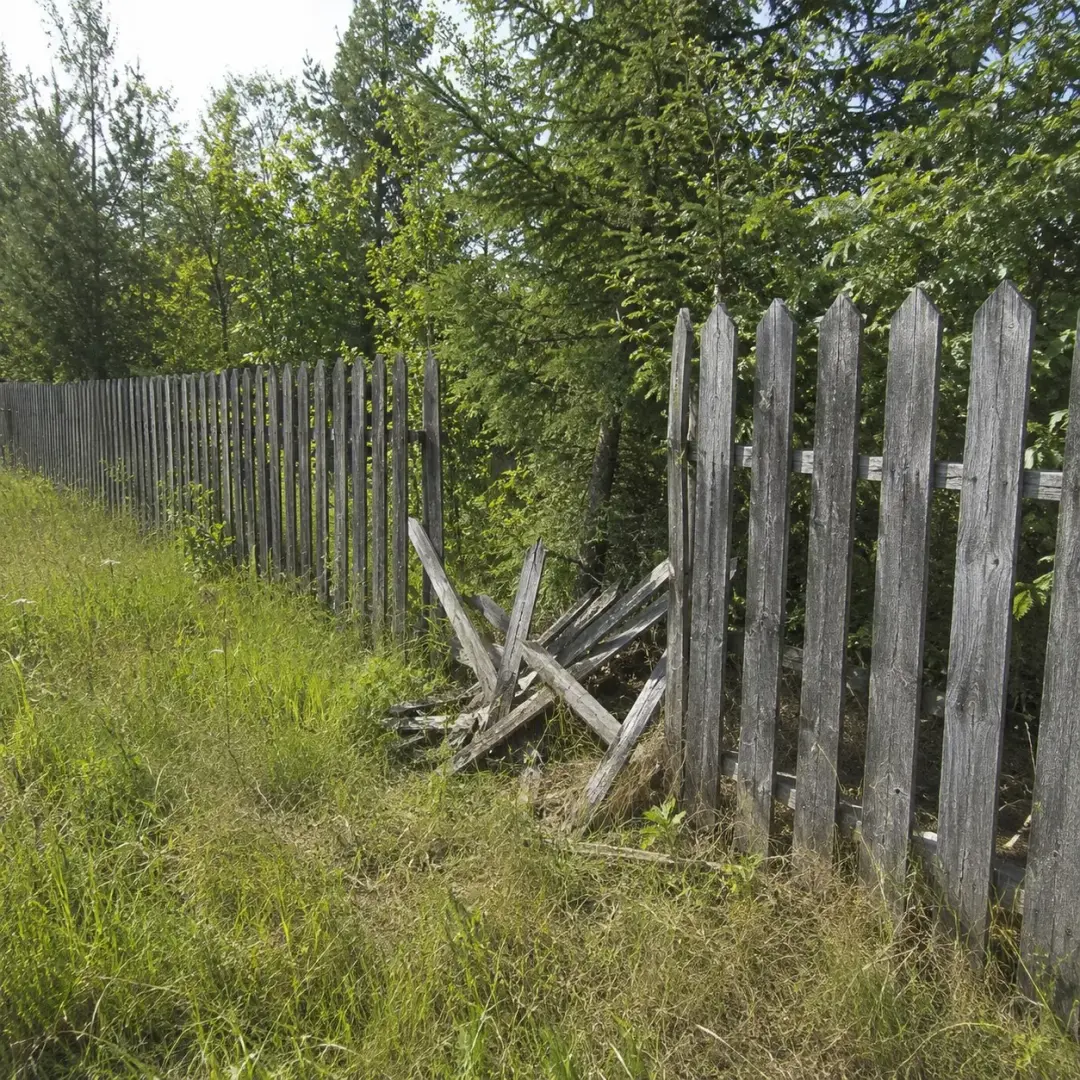
New timber should be suitable for external fencing and, where appropriate, protected before or after fitting according to the treatment system being used. Pay attention to cut ends created during repairs. These exposed areas can absorb moisture quickly and should receive suitable protection.
Try to match replacement pickets to the existing size and design so the finished fence remains consistent. Once repairs are complete, the fence can be cleaned and prepared for treatment.
Addressing structural issues first prevents paint or stain from hiding problems temporarily. It also means the finished maintenance work protects fencing that is already secure, properly aligned and capable of remaining in service.
Choosing the Right Wood Treatment
The right treatment depends on the condition of the timber, its previous finish and the appearance you want to achieve. Wood preservers are often used to help protect timber against decay and biological deterioration. Fence stains provide colour while allowing the natural appearance of the timber to remain visible to varying degrees. Exterior paint creates a more opaque decorative finish.
Before selecting a product, check whether it can be applied over the existing treatment. Some combinations require extensive preparation. The product should be designed for external timber and suitable for fencing. Consider how much maintenance you are prepared to carry out in future because different coatings weather differently.
Colour and finish should also suit the property and surrounding garden. Always follow product instructions regarding preparation, coverage, drying and reapplication. Choosing a compatible treatment from the beginning helps avoid peeling, patchy colour and unnecessarily frequent maintenance.
Using Wood Preserver on Picket Fencing
Wood preserver can help protect picket fencing against conditions that contribute to decay, fungal growth and other forms of timber deterioration. It is particularly useful on bare or suitably prepared wood where the product can penetrate effectively. Different preservatives are available, so the product instructions should always be checked before application. Some are clear, while others add colour to the timber. Preserver is not necessarily the final decorative finish. Depending on the product, a stain or paint may be applied afterwards to provide additional weather protection and appearance.
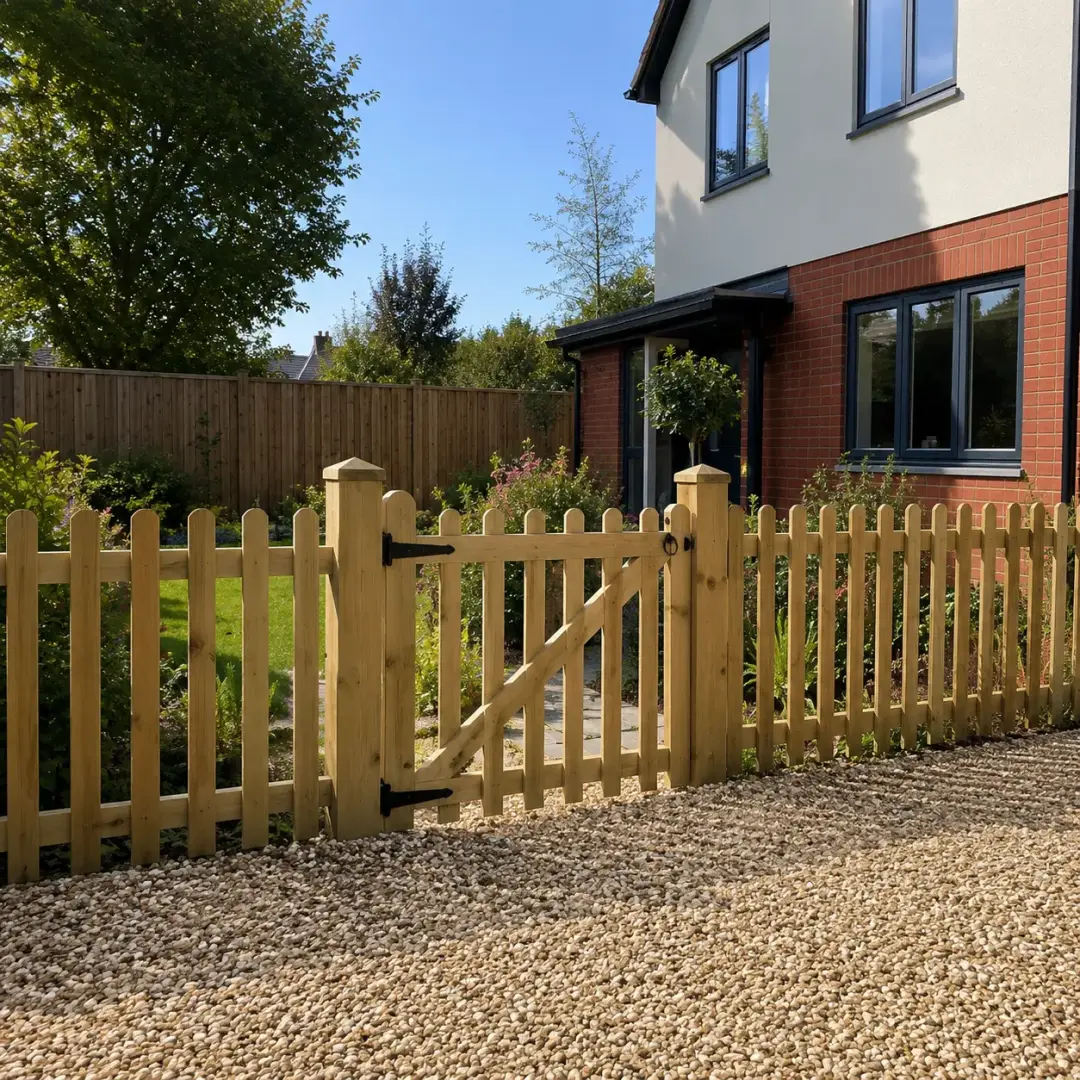
Pay particular attention to exposed end grain, joints and cut surfaces. These areas can absorb water readily and benefit from thorough treatment. Newly cut timber created during fence repairs should be protected appropriately.
The wood needs to be reasonably clean and dry before most preservatives are used. Apply the amount recommended by the manufacturer rather than assuming one heavy coat provides better protection.
Drying times should also be respected before another product is applied. Protect nearby plants, paving and other materials from splashes. Wood preserver forms one part of a broader maintenance approach.
Good drainage, sound posts and suitable surface treatments remain important. Used correctly, preservative can help reduce the risk of biological deterioration and provide a useful protective foundation for wooden picket fencing.
Using Fence Stain for Added Protection
Fence stain provides colour while helping timber withstand outdoor exposure. Unlike opaque paint, many stains allow some of the natural grain and character of the wood to remain visible. The fence should be cleaned and prepared before application. Existing coatings need to be compatible with the chosen stain.
Bare areas may absorb more product than previously treated sections, so preparation can affect the final colour. Several shades are available, allowing fencing to complement garden buildings, decking or other timber features. Stain should be applied evenly using the method recommended by the manufacturer.
Pay attention to edges and exposed ends. Additional coats may be required depending on the product and desired finish. Allow the correct drying time between coats. Stained fencing still needs periodic maintenance because sunlight and rain gradually reduce protection. Reapplying the treatment before the timber becomes heavily weathered can make future maintenance quicker and help maintain a consistent appearance.
Painting Wooden Picket Fencing
Painting wooden picket fencing provides an opaque decorative finish that can completely change the appearance of the timber. Exterior wood paint is available in many colours, making it suitable for both traditional white picket fencing and more contemporary garden designs. Preparation is particularly important with painted fencing. Loose or peeling old paint should be scraped away, while rough edges may need sanding. The surface should be clean and dry. Bare timber may require a suitable primer or undercoat depending on the paint system. Any rotten or broken pickets should be repaired first.
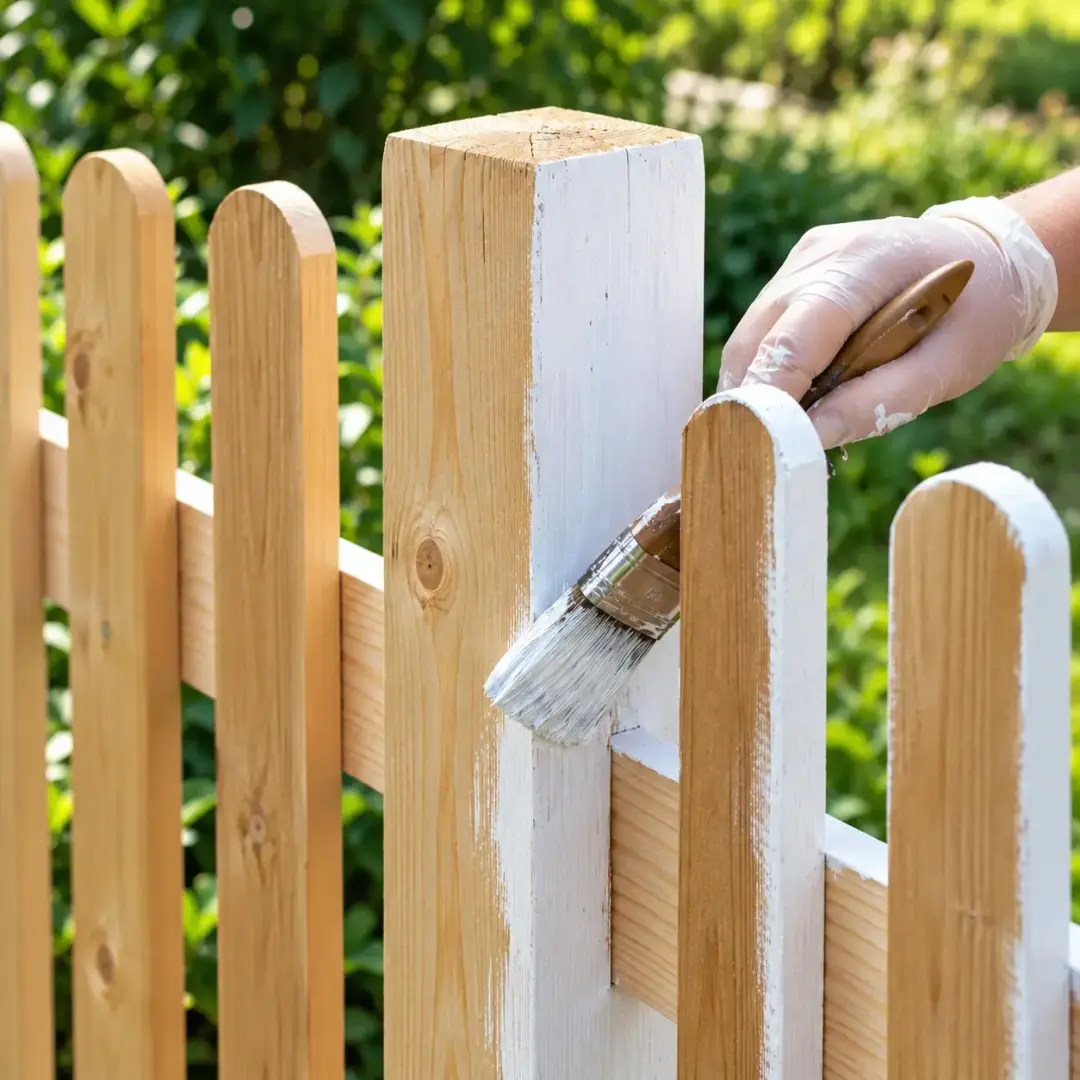
Apply the paint evenly, paying attention to edges, joints and narrow spaces between pickets. Several thin coats may provide a better finish than one excessively heavy application. Allow each coat to dry according to the manufacturer's instructions.
Avoid painting immediately before rain or during unsuitable temperatures. Paint provides useful protection, but the coating will eventually weather. Small chips and cracks should be addressed before water reaches exposed timber underneath.
Once widespread peeling develops, considerably more preparation may be needed before repainting. Regular inspection and timely touch-ups can therefore reduce future maintenance. A properly prepared and painted picket fence can provide a clean, attractive finish while protecting the wood from everyday weather exposure.
For professional picket fencing in Milton Keynes, Buckinghamshire, MD Fencing & Decking provides practical, attractive fencing for homes and gardens. We install, repair and replace picket fencing, helping customers improve boundaries, entrances and outdoor spaces with neat, durable timber fencing.