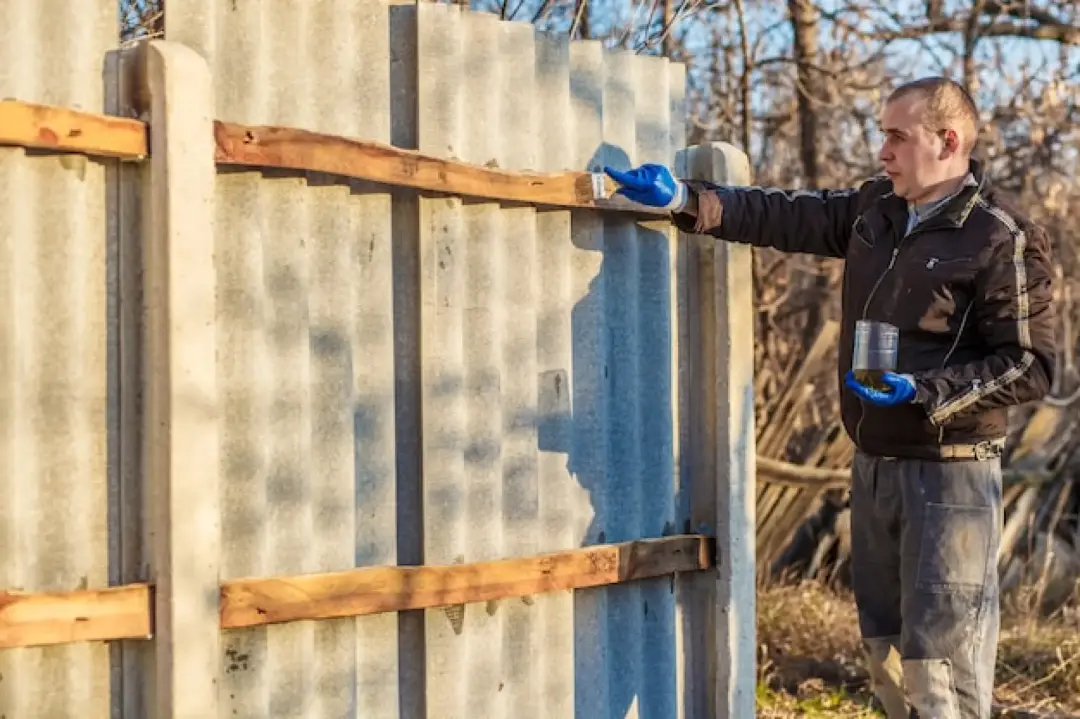
What Are Professional Fence Repairs?
Professional fence repairs involve inspecting damaged fencing, finding the cause of the problem and completing suitable work to restore strength, appearance and security. Repairs may include replacing broken panels, securing loose posts, fixing damaged rails, closing gaps and restoring gates.
A professional will consider the fence type, ground conditions, level of damage and purpose of the boundary before recommending work. This helps ensure the repair is suited to the property rather than being a temporary covering. Timber, metal, concrete and composite fencing each require different tools, fixings and methods.
The surrounding area must also be checked for unstable ground, rot, corrosion or impact damage. Correct repairs can extend the working life of the fence and prevent weak sections from failing. They also help maintain a clear, secure boundary around homes, businesses, gardens and outdoor areas. Professional work should leave the fence stable, properly aligned and able to provide reliable protection for the property.
Why Secure Fencing Matters for Your Property
Secure fencing creates a clear boundary and makes it harder for people to enter a property without permission. It can discourage trespassing, protect outdoor belongings and reduce easy access to gardens, yards, storage areas or business premises. A complete fence also shows where private land begins, helping prevent confusion with neighbours, visitors or members of the public. Fencing is particularly important where children, pets, equipment or vehicles are present. Strong panels, posts and gates can help keep people and animals safely inside while limiting access from outside. Privacy may also improve because a secure fence reduces open views into gardens, windows and outdoor seating areas.
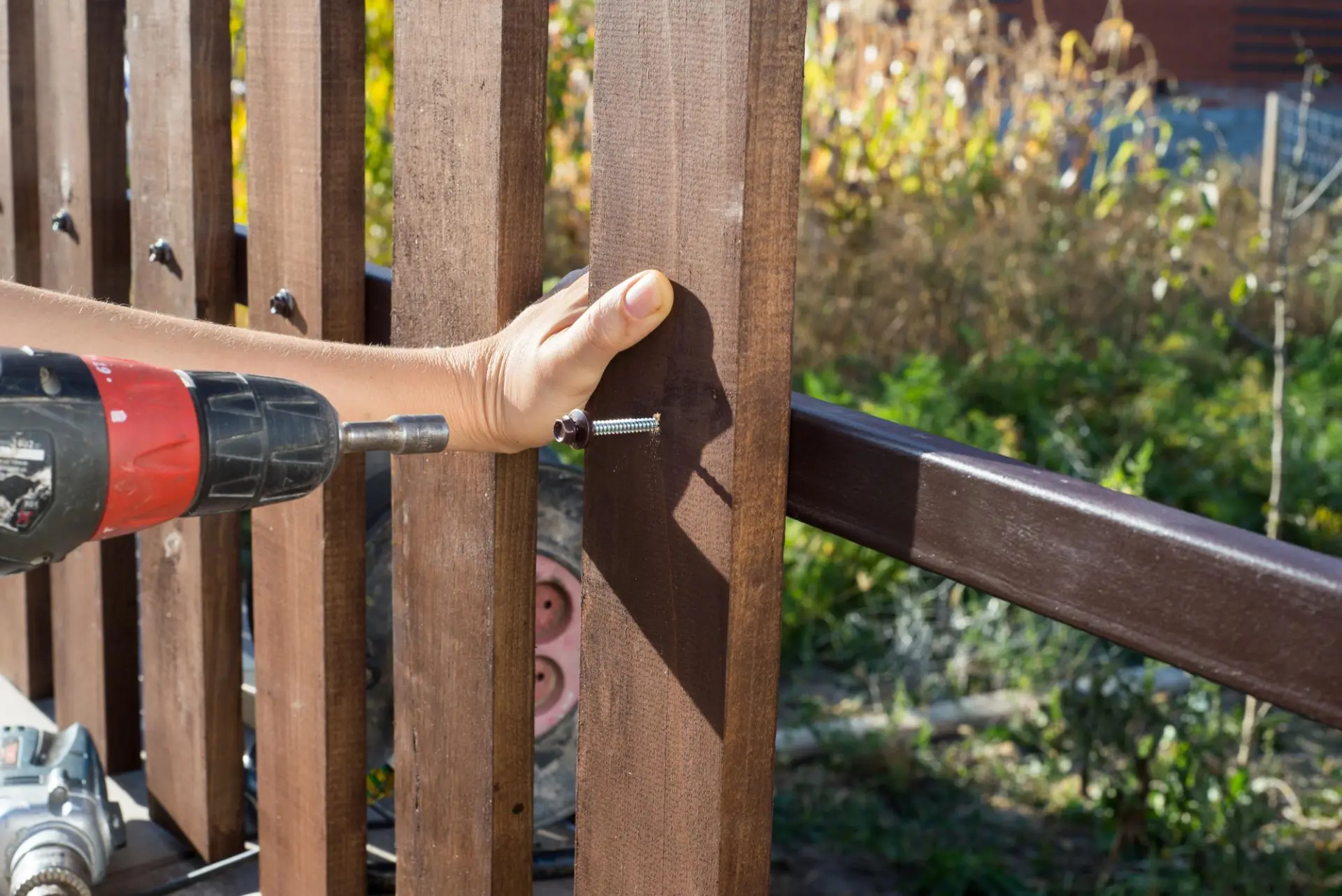
A damaged boundary can create obvious weak points. Missing panels, loose posts and wide gaps may make the property appear poorly protected. These faults can also worsen during strong winds, leaving larger sections exposed.
Professional repairs restore the parts that provide support and coverage. The work may involve strengthening posts, replacing panels or correcting gate alignment.
When the fence is stable and complete, it supports security without relying only on locks, cameras or alarms. Fencing should form part of a wider approach to property protection, with every entrance and boundary kept in suitable condition.
Preventing Unauthorised Access
A secure fence can make unauthorised access more difficult by removing easy routes into the property. Broken panels, low sections and loose boards may allow someone to climb through, step over or create a larger opening. Professional repairs restore these weak points and make the boundary more consistent. The repair should match the height, strength and layout of the existing fence.
Posts and rails must provide enough support so panels cannot be pushed aside easily. Gates should also close correctly and work with suitable locks or latches. Fencing cannot prevent every attempt to enter, but visible strength can discourage people from choosing the property.
A complete boundary also directs authorised visitors towards the proper entrance. Regular checks are important because damage may appear gradually. Rot, corrosion and movement in the ground can weaken fencing without causing immediate collapse. Repairing these issues early keeps the boundary harder to cross and reduces the chance of a small opening becoming a serious security concern.
Repairing Broken or Missing Fence Panels
Broken or missing fence panels create one of the most obvious security weaknesses around a property. They can leave gardens, storage areas and doors visible from outside while providing a direct route through the boundary.
Even a partly damaged panel may become easier to remove or break during bad weather. Professional repair begins by checking whether the panel alone has failed or whether the posts and rails are also damaged. Replacing a panel without correcting loose supports may lead to another failure. The installer should measure the opening, choose a suitable replacement and secure it with the correct fixings.
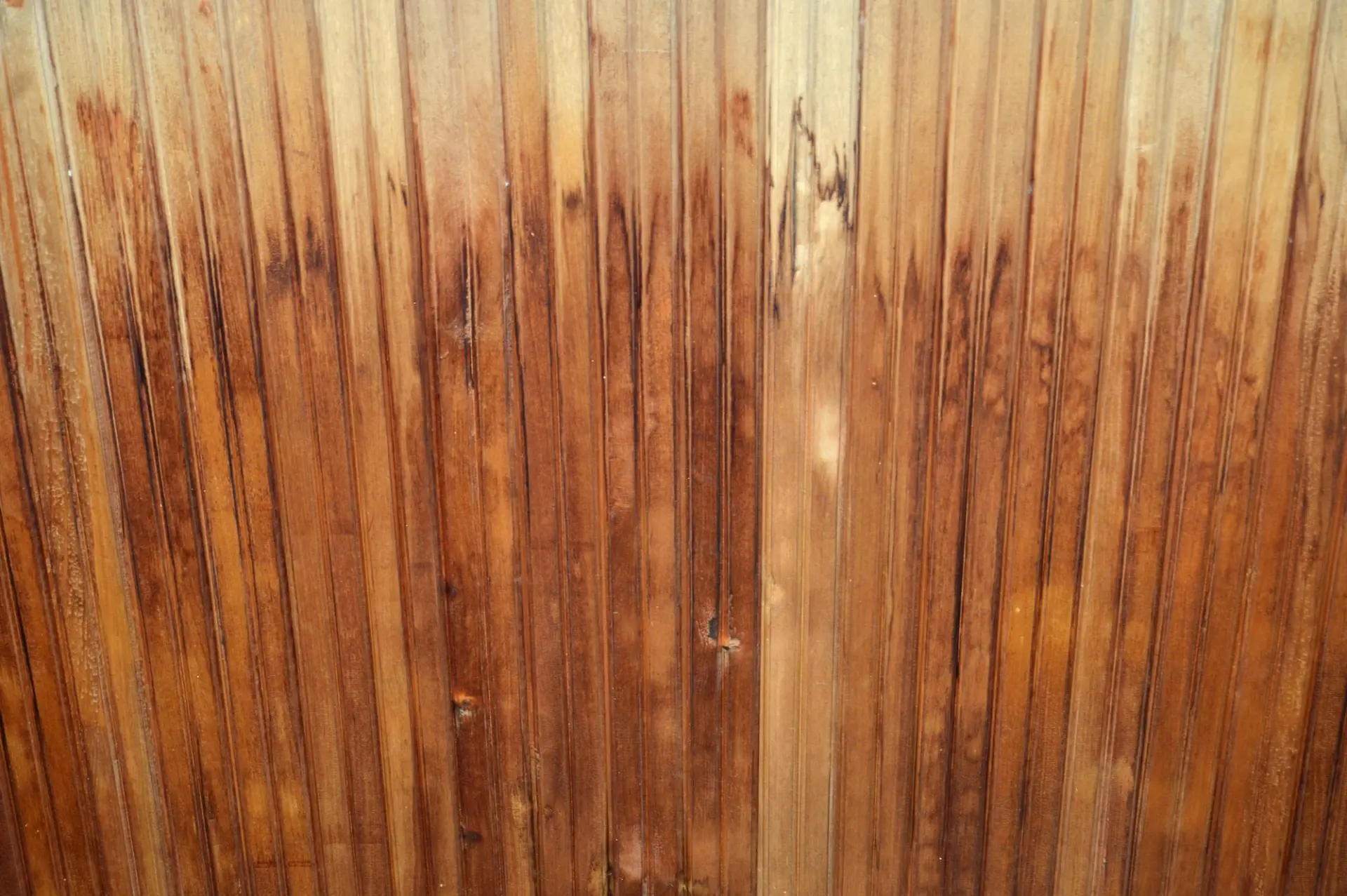
Where only part of a panel is damaged, a repair may be possible. However, heavily rotten, split or twisted timber usually needs replacement. Metal panels may require straightening, welding or new sections, depending on their condition.
The replacement should match the existing fence where practical, but security and strength are more important than appearance alone. Gaps beneath or beside the panel should be kept to a suitable minimum.
Once repaired, the fence should sit level and resist normal pressure. Restoring the full barrier improves privacy, reduces access points and helps prevent neighbouring panels from becoming loose due to missing support.
Fixing Loose and Damaged Fence Posts
Fence posts provide the main support for panels, rails and gates. When a post becomes loose, rotten, cracked or bent, the surrounding fence may lean or move in strong wind. This can create gaps and make the boundary easier to push aside. A professional will inspect the post above and below ground where possible. Timber posts may rot near soil level, while metal posts can corrode or loosen within their foundations.
Concrete around the base may also crack or move. Repairs can involve securing the post, adding suitable support or replacing it completely. A replacement must be set at the correct depth and aligned with the rest of the fence.
The ground and drainage should also be considered. Gate posts need particular care because they carry extra weight and repeated movement. Correctly repaired posts restore stability across the fence line. They help panels remain upright, gates close securely and the boundary continue providing dependable protection.
Strengthening Weak Fence Sections
Weak fence sections may remain standing but move under light pressure, shake in the wind or show signs of bending. These areas can develop because of loose fixings, damaged rails, poor foundations, rot or repeated impact. Strengthening them early can prevent a complete collapse and restore the security of the boundary. The first step is to identify which parts are no longer providing support. A professional may check posts, rails, brackets, boards and panel fixings. The ground around the posts should also be examined for movement, erosion or water damage.
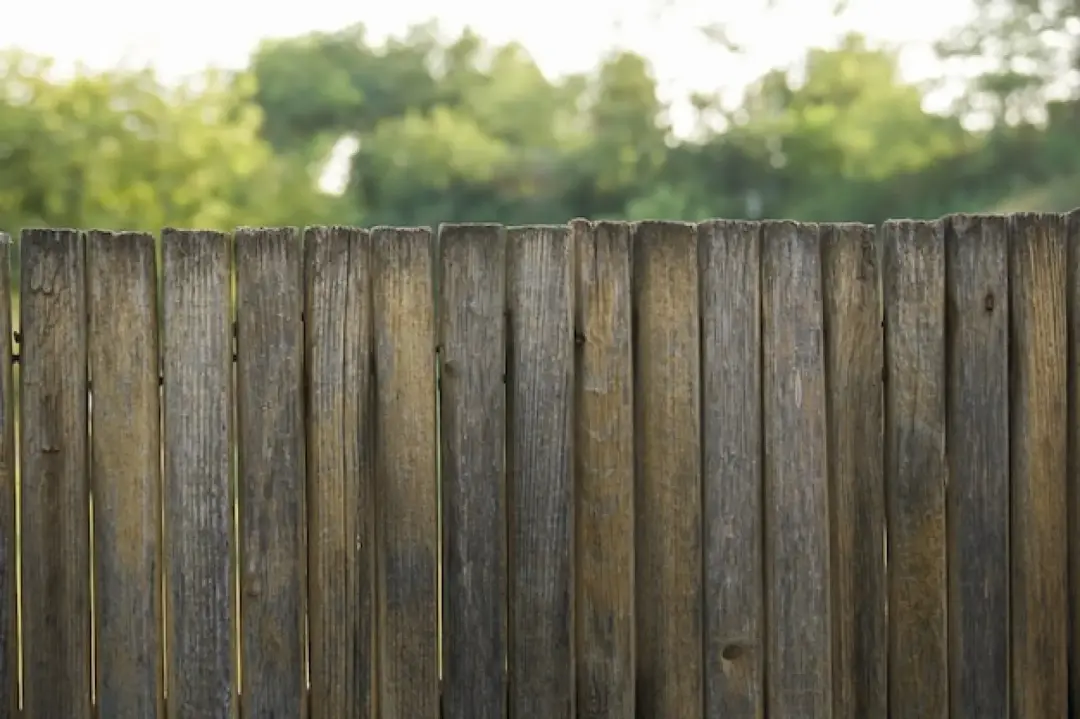
Repairs may include replacing rails, adding supports, securing loose boards or resetting posts. Temporary braces can hold a section safely while permanent work is completed, but they should not be treated as the final repair.
The strengthened section should connect properly with the fencing on both sides. A strong new part attached to badly worn sections may simply move the stress elsewhere, so the wider area needs inspection.
Once repaired, the fence should remain stable during normal use and common weather conditions. Stronger sections make it harder to create an opening, reduce sudden failures and help the boundary protect the property for longer.
Improving Boundary Protection
Professional repairs improve boundary protection by restoring a clear and continuous fence line around the property. A secure boundary helps show where private land begins and guides visitors towards approved entrances rather than damaged or open sections. Repairs should address both visible faults and the supports behind them.
Panels may need replacing, posts may require resetting and gaps may need closing. Gates should also align with the fence and shut securely. Boundary protection is particularly useful beside roads, paths, neighbouring gardens and public spaces. A complete fence can reduce accidental entry and make deliberate access more difficult. The design should suit the needs of the property.
A home may focus on privacy and garden security, while a business may need stronger fencing around equipment or delivery areas. Professional work helps maintain the original purpose of the fence while correcting damage. This creates a more reliable outer layer of protection around the property.
Reducing Gaps Around the Property
Gaps around fencing can reduce security, privacy and safety. They may appear beneath panels, between posts, beside gates or where the fence meets a wall. Some gaps develop because the ground has moved, timber has shrunk or parts have become loose. Others may result from poor installation or later damage.
A professional repair should first identify why the gap has formed. Simply attaching a small piece of material may not work if the post continues to move or the gate remains out of line. The surrounding structure must be made stable before the opening is closed.
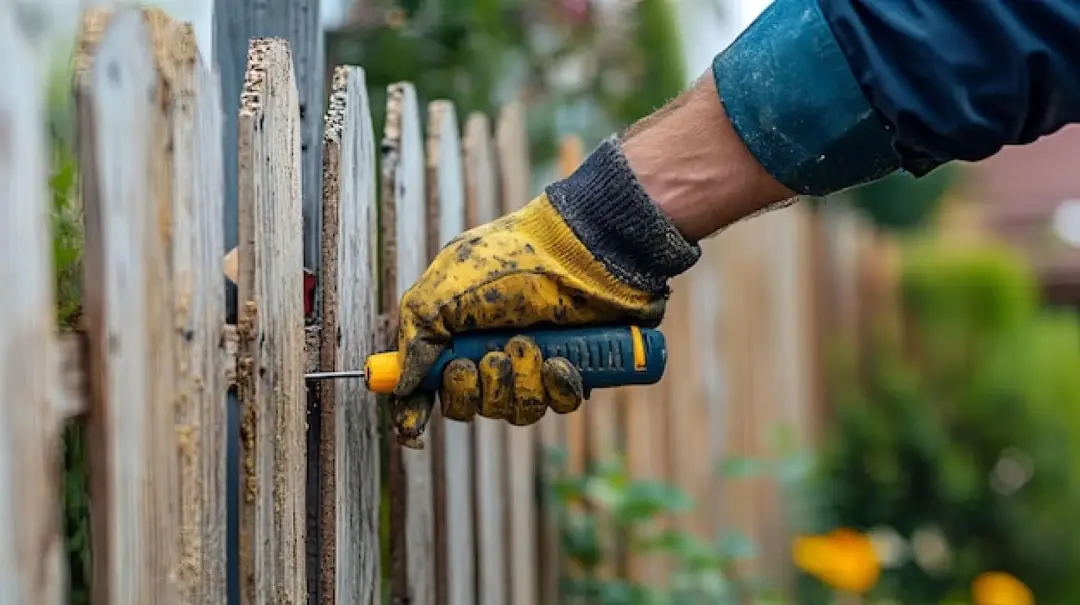
Suitable repairs may include adjusting panels, replacing boards, adding secure lower sections or correcting gate position. Any material used should match the fence and resist normal weather exposure.
Small gaps can matter where pets or young children use the garden. Larger openings may provide access to people or allow tools and belongings to be seen from outside. Gaps can also reduce privacy around seating areas and windows.
The repair must avoid blocking drainage or causing timber to sit directly in wet ground. Correct spacing supports longer-lasting results. Closing unnecessary openings helps create a more complete boundary and removes easy access points around the property.
Repairing Damaged Gates and Gate Posts
A fence is only as secure as its gate. A gate that drags, fails to close or has a broken latch may leave the property open even when the surrounding panels are strong. Loose gate posts can also cause the gate to lean or move out of position. Professional repairs may involve adjusting hinges, replacing latches, strengthening the frame or resetting posts.
The gate should open smoothly but close firmly without large gaps. Locks and access controls should be checked where fitted. A strong lock cannot provide proper protection if the gate frame or post is weak. The full assembly must work together. Weather, heavy use and accidental impact can gradually affect alignment. Repairing the issue early prevents further strain on hinges and posts.
Once completed, the gate should remain secure in its closed position and operate safely for authorised users. Reliable gate repairs restore the main entrance point and support the security provided by the rest of the fence.
Protecting Children and Pets
Secure fencing helps children and pets use outdoor areas more safely. Broken boards, missing panels and gaps beneath gates may allow them to leave the garden or reach roads, neighbouring land and other hazards.
Damaged fencing can also contain sharp edges, loose nails or unstable sections that may cause injury. Professional repairs remove these risks by restoring a complete and stable boundary. The installer should check gaps at ground level, spaces between boards and the condition of gate latches. The suitable gap size will depend on the size and behaviour of the child or animal using the area.

Posts and panels should resist normal contact without falling or moving. Climbable objects near the fence may also need to be moved, especially where they reduce the effective height of the boundary.
Gates should close reliably and use latches that cannot be opened easily by young children. Pet owners may also need secure lower sections where animals dig or push against fencing.
No fence can replace supervision, but good repairs reduce avoidable escape routes and physical hazards. A properly maintained boundary provides greater confidence that children and pets can spend time outdoors without reaching unsafe areas through damaged sections.
Improving Security for Gardens and Outdoor Areas
Gardens and outdoor areas often contain furniture, bicycles, tools, play equipment and storage buildings. Damaged fencing can leave these items visible and easier to reach. Professional repairs restore the boundary and make access less straightforward. A complete fence also provides privacy for seating, work and family activities.
Replacing missing boards or panels reduces views from public paths and neighbouring areas. Security improvements may include strengthening weak sections, repairing gates and correcting low or uneven parts. The fence should work with locks, lighting and other security measures already used at the property. Plants and stored items should not hide damage or provide climbing points.
Regular inspection helps reveal faults before they create a larger opening. Well-maintained fencing gives the garden a clearer structure and creates a stronger separation between private and public space. While it cannot guarantee that theft or trespassing will never occur, it removes obvious weaknesses and supports safer use of the outdoor area.
Reducing the Risk of Trespassing
Trespassing is more likely where a boundary is unclear, open or easy to cross. Missing panels, broken gates and leaning sections can make a property appear unprotected. Professional fence repairs restore visible barriers and show that access is controlled. The fence should direct visitors towards the intended entrance. Gates, signs and paths can work together to make authorised routes clear. Where people regularly cut through a damaged section, the repair may need stronger materials or improved support.

Height, layout and ground level can affect how easy a fence is to cross. A professional can identify low points, gaps and nearby objects that reduce the boundary’s effectiveness. However, any changes must remain suitable for the site and local requirements.
Businesses may need fencing around yards, storage areas and equipment, while homes may need protection beside paths or open land. The repair should match the risk and daily use of the property. A strong boundary does not replace alarms, cameras or secure doors. It provides an important first barrier that can discourage casual entry and delay more determined access. Prompt repairs reduce visible opportunities for trespassing and help owners maintain clearer control over who enters the land.
Preventing Further Fence Damage
Professional repairs can prevent further damage by correcting the cause of a fence problem rather than covering the visible symptom. A loose panel may be caused by failed fixings, a rotten post or movement in the ground. Reattaching it without addressing these issues may only provide a brief improvement. A professional will inspect nearby sections for signs of related wear.
One leaning post can place pressure on several panels, while a broken rail may allow boards to twist or split. Correct repairs spread loads properly and restore support across the fence line. Suitable fixings, treated materials and secure foundations can improve resistance to wind and normal use. Drainage and vegetation may also need attention.
Constant moisture, climbing plants and trapped debris can speed up rot or corrosion. Early repairs are usually simpler than replacing a collapsed section. They protect the remaining fence, reduce repeated call-outs and help owners avoid larger gaps developing after storms or further movement.
Improving Privacy Around Your Property
Fence repairs improve privacy by closing gaps and restoring panels that block unwanted views. Missing boards, broken sections and leaning panels can expose gardens, windows, doors and outdoor seating areas. This may make occupants feel overlooked and can also reveal valuable items stored outside. A professional repair can restore the original height and coverage of the fence. Replacement materials should fit closely with the existing structure so unnecessary openings are reduced. Gates should also align properly and close without large side gaps.
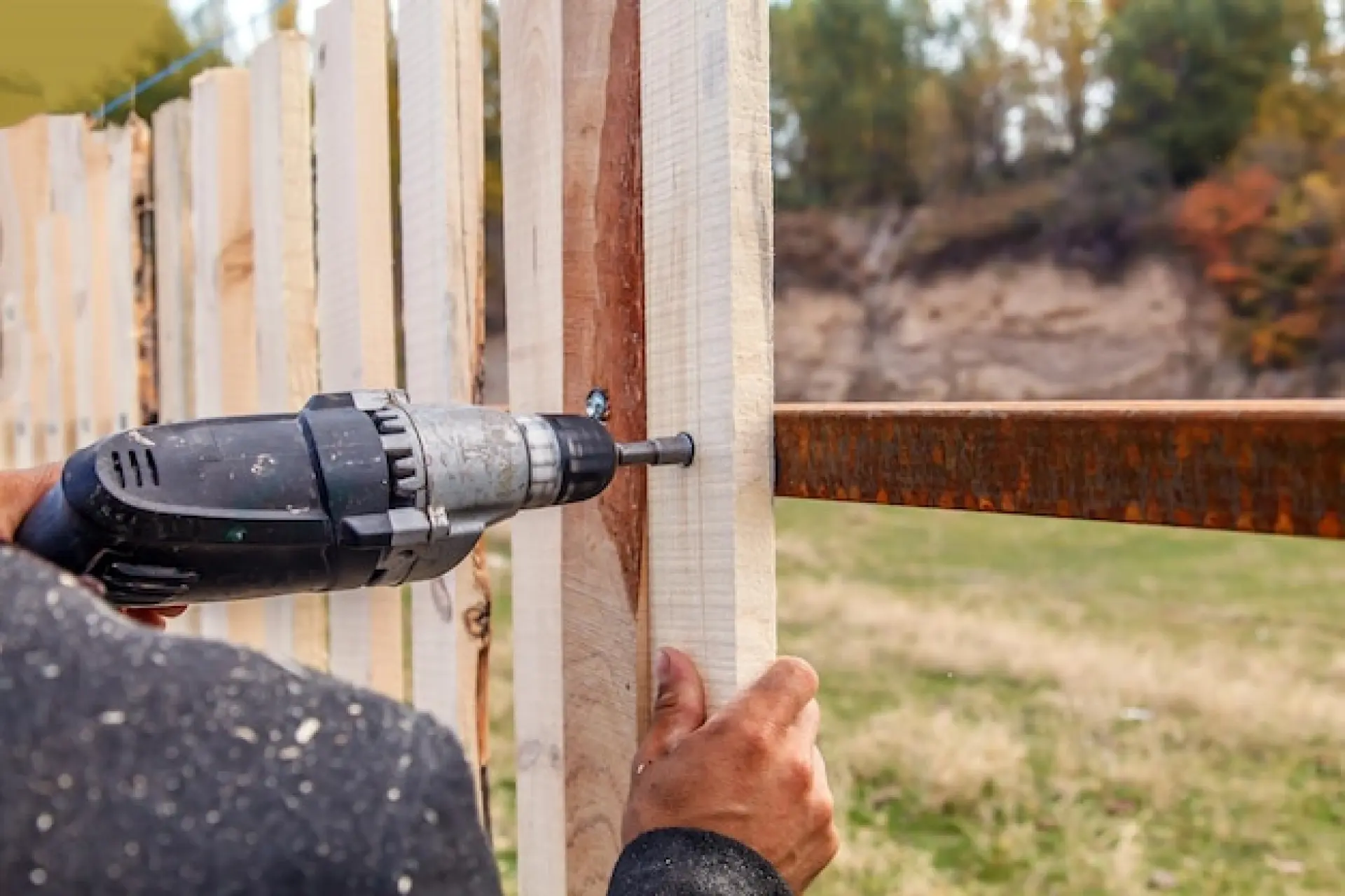
Privacy needs vary between properties. A rear garden may require stronger screening around seating areas, while a business may need to hide storage or working areas from public view. The fence design should suit the purpose without creating unsafe blind spots near entrances.
Height changes and new materials may be subject to local planning rules or property agreements, so major alterations should be checked before work begins. Repairing an existing fence is often more straightforward than redesigning the full boundary. Healthy hedges or planting can support privacy, but they should not place damaging pressure on the fence. When repairs restore stable panels and clear coverage, the property feels more enclosed, comfortable and protected from casual observation.
Fence Repairs for Homes and Businesses
Homes and businesses both rely on fencing, but their repair needs can differ. Residential fencing often protects gardens, children, pets and private outdoor areas. Commercial fencing may secure equipment, stock, parking areas, delivery yards and restricted spaces.
Professional repairs should consider how often the boundary is used and the level of protection required. A domestic panel may need replacement after storm damage, while a business gate may require stronger posts because of frequent operation. Materials, height and access points should suit the property.
Commercial sites may need repairs planned around opening hours or vehicle movements. Homes may require work that protects plants, neighbouring gardens and shared boundaries. In both settings, damaged fencing can affect appearance as well as security. Prompt repairs create a clearer, stronger boundary and reduce the chance of further failure. A professional service can inspect the complete fence line, explain suitable options and complete repairs that match the property’s daily needs and expected level of use.
Choosing the Right Materials for Lasting Repairs
The materials used in a fence repair should match the existing system and suit the conditions around the property. Timber is common for garden fencing, but it must be properly treated and kept away from constant moisture.
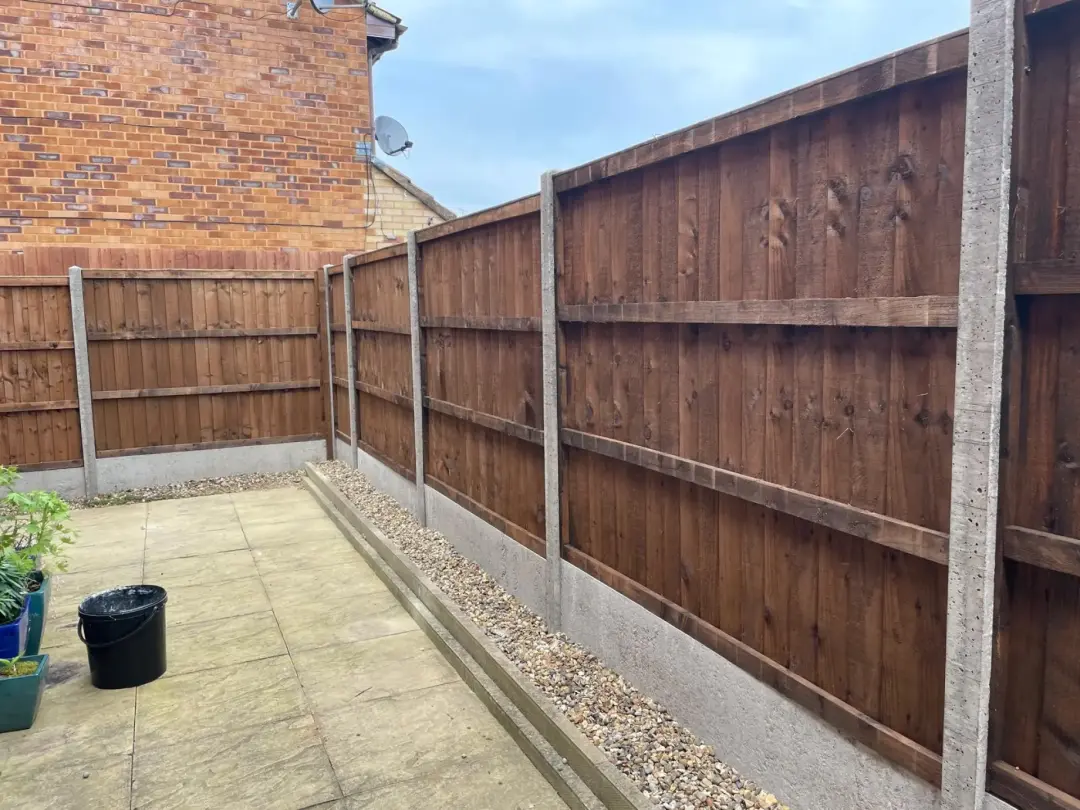
Metal fencing can provide strength, although damaged coatings may allow corrosion to develop. Concrete posts and gravel boards can offer durable support but need careful handling and secure foundations. A professional will consider exposure to wind, ground moisture, salt, impact and daily use. The correct material for a sheltered rear garden may not suit an open commercial site or coastal location.
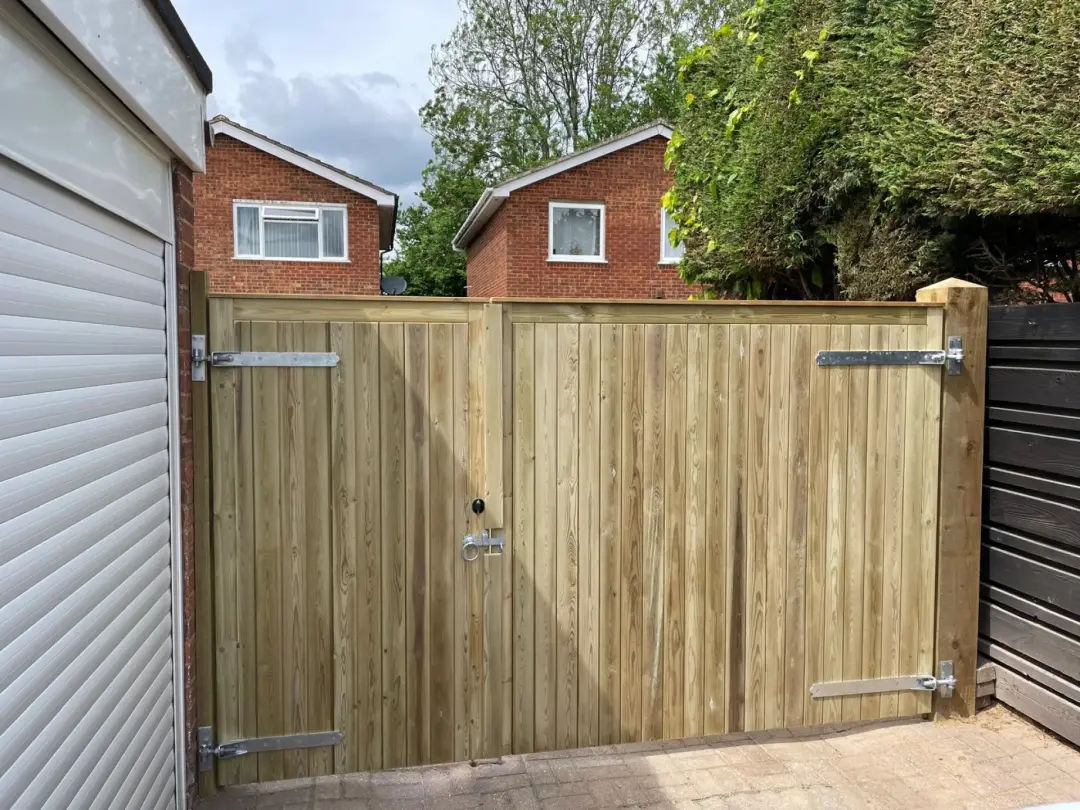
Fixings are just as important as panels and posts. Outdoor screws, brackets, hinges and bolts should resist corrosion and provide enough strength for the load. Using unsuitable indoor fixings can lead to early failure.
Replacement parts should be compatible with existing materials. Contact between certain metals can increase corrosion, while heavy panels may overload weak posts. The repair must work as a complete system.
Choosing quality materials may cost more at first, but it can reduce repeated repairs and early replacement. Suitable products, correct preparation and careful installation help the repaired section remain stable, secure and visually consistent for longer.
When Should a Damaged Fence Be Repaired?
A damaged fence should be repaired as soon as it becomes unstable, develops a gap or no longer provides suitable security. Missing panels, loose posts and gates that do not close need prompt attention because they create direct access points.
Smaller signs should not be ignored. Cracks, rot, corrosion, leaning sections and loose fixings can worsen quickly during wind or heavy rain. Early repairs may prevent a larger part of the fence from collapsing. Immediate action is important where the damage affects children, pets, public paths or neighbouring property. Sharp edges, falling panels and unstable posts can create safety risks.
Temporary support may be used to make the area safer until permanent repairs are completed, but it should not remain as the long-term solution. The boundary must be inspected and restored using suitable materials. Regular checks after storms and seasonal weather changes help owners find problems early. Prompt repair protects security, reduces further damage and often costs less than replacing several connected sections later.
Repairing Fences After Storm Damage
Storms can damage fencing through strong wind, falling branches, waterlogged ground and flying debris. Panels may split or blow out, while posts can loosen as wet soil moves. Even sections that remain standing may become unstable and fail during the next period of bad weather. After a storm, inspect the fence from a safe distance. Look for leaning posts, hanging panels, exposed nails and branches resting on the structure. Keep children and pets away from damaged areas.
Professional repairs should begin with making the section safe and removing unstable materials. The ground, posts, rails and nearby panels must then be checked. Replacing only the most obvious broken panel may not be enough if the supporting posts have moved. The repair may involve resetting posts, replacing panels, adding rails or clearing vegetation.
Materials should suit the property’s exposure to wind. In open areas, stronger fixings or a different panel design may reduce future pressure. Insurance may cover certain storm damage, depending on the policy and condition of the fence. Photographs and written repair details can support a claim. Completing proper repairs before another storm helps protect adjoining sections and restores the security of the property. Temporary boards or ropes should only be used for short-term safety.
Professional Repairs Compared with Temporary Fixes
Temporary fixes may hold a damaged fence for a short period, but they rarely restore full strength or security. Rope, loose timber, wire and unsupported boards can move, fail or create sharp hazards. They may also hide damage to posts, rails and foundations.
Professional repairs identify the cause and use materials suited to the fence. Posts can be reset, panels aligned and fixings replaced correctly. This provides a more stable result than attaching new material to damaged supports. A temporary measure can be useful after a storm when the area needs to be made safe immediately.
However, it should be followed by a proper inspection and permanent repair. Repeated temporary work can cost more over time and may allow damage to spread. It can also leave the property with visible weak points. Professional repair provides clearer workmanship, suitable tools and a result designed for normal use and weather. It improves security while reducing the chance that the same section will fail again shortly afterwards.
Choosing a Professional Fence Repair Service
Choose a fence repair service with experience of the material and type of damage affecting your boundary. Ask whether the service works with timber, metal, concrete or composite fencing and whether it can repair gates, posts and panels.
A clear quotation should explain the work, materials, labour and waste removal. It should also state whether nearby sections need attention and whether the price may change if hidden damage is found below ground.
Check that the service has suitable insurance and uses safe working methods. Reviews, photographs and recommendations can help show the quality of previous repairs. Very low prices may rely on unsuitable materials or short-term fixes.
Discuss access, parking, neighbouring boundaries and the protection of plants or outdoor items before work begins. Shared fences may require agreement with another property owner. The service should explain why the damage occurred and how the repair will address it.
Ask about material treatment, expected maintenance and any workmanship guarantee. A professional should not pressure you into replacing the complete fence when a sound repair is possible. Equally, they should explain when repeated patching is no longer practical. Clear advice, suitable materials and careful installation help provide a secure, lasting and cost-effective result.
MD Fencing & Decking delivers durable fencing, gates, and decking tailored to your property in Milton Keynes and the surrounding areas. From single-panel repairs to full garden boundary upgrades for residential and commercial properties, our fencing company provides dependable work, quality fencing, and a free quote for every job.