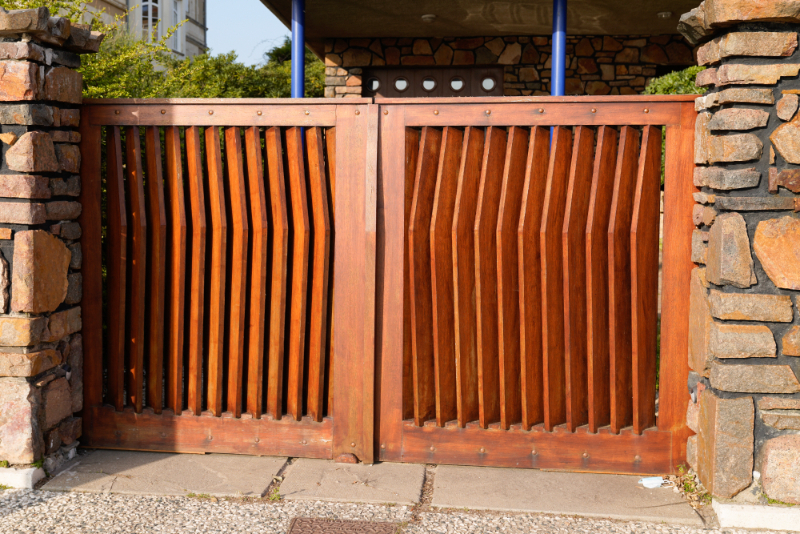
Find out how to maintain and care for wooden driveway gates. Regular maintenance, including cleaning, treating the wood, checking the gate's hardware and dealing with early signs of wear, can prevent damage from weather and everyday use. This guide explains the key steps for wooden gate maintenance, helping you protect your investment, maintain good security and keep your gate looking great for longer.
Why Regular Wooden Gate Maintenance Is Important
A well-built wooden gate can provide security, privacy and an appealing exterior for your home, garden or wider property. However, wood is a natural material that remains exposed to rain, wind, heat, sun and changing levels of moisture. Without regular maintenance, these elements can lead to cracking, swelling, warping, rot and a gradual loss of colour.
The UK climate makes gate maintenance particularly important. Met Office climate averages for 1991 to 2020 show that the UK receives about 1,163 mm of rainfall each year, with at least 1 mm of rain falling on around 159 days. At the same time, 2025 became the sunniest UK year on record, with 1,648.5 hours of sunshine. This combination of water, changing seasons and increased exposure to UV rays shows why wooden driveway gates need both moisture protection and UV protection.
Regular maintenance does not need to be difficult. A few simple steps carried out at the right time can minimise damage, preserve the natural beauty of the timber and extend the gate's lifespan. It can also help you identify small problems before they turn into costly repairs.
The exact maintenance process for a wooden gate depending on its type, finish, location and timber. A hardwood gate will have different care needs from many softwood gates, while an automated gate also has moving parts and electrical equipment that require attention. Whatever type you own, keeping the gate clean, dry, correctly treated and securely installed should form the core of your care routine.
Regular Cleaning for Wooden Gates
Many home and property owners may not be aware of the maintenance needed to keep wooden gates or fences in good condition. Regular cleaning helps a wooden gate maintain its appearance, strength and structural quality while making it easier to notice early signs of damage.
Wood can be affected by dirt, dust, leaves, algae, mould, mildew and other debris. Moisture can become trapped beneath this buildup, leaving vulnerable areas of timber damp for long periods. Over time, this may encourage decay, rot and discolouration.
Start by removing loose dirt, leaves and debris with a soft brush. Avoid abrasive tools that could scratch the surface or damage an existing finish. Prepare a small amount of mild detergent mixed with warm water, then use a soft cloth or brush to clean the gate evenly. There is usually no need to scrub aggressively.
Once the gate is clean, rinse it with clean water to remove detergent and loosened dirt. Any remaining water can be wiped away with a clean cloth. Allow the wooden gate to dry fully in a well ventilated area before applying stain, oil, paint, varnish or another treatment.
The aim is to expose the gate to as little moisture as reasonably possible during cleaning. Try to avoid potential moisture interfering with the drying process by choosing a clear, mild day rather than cleaning just before rain. Keeping as little moisture as possible within the wood reduces the chance of swelling, warping and fungal growth.
Spring and early autumn are often good times to clean driveway gates because conditions can be mild enough for the timber to dry naturally. Avoid very hot periods when strong heat may cause the surface to dry too quickly. Regular cleaning once or twice a year, with additional cleaning when needed, provides a good starting point for regular maintenance.
Read related articles:
Is It Better To Paint Or Stain A Wooden Gate
Inspecting for Damage and Wear
When inspecting wooden driveway gates for damage and wear, check both the surface and the main structure. A careful inspection every few months can reveal problems that may otherwise remain hidden until more serious damage occurs.
Look for visible splits, cracking or warping in the wood, particularly after long periods of wet or hot weather. Check for signs of rot around the bottom of the gate, the end grain, joints and areas close to the gate post. End grain can absorb water more quickly than many other areas, so good treatment and protection are especially important here.
Check the gate's hardware at the same time. Hinges, bolts, latches and locks should remain secure and correctly aligned. Loose screws, loose bolts or worn hinges can cause one side of a wooden gate to drop, which may eventually lead to poor alignment and difficult operation. Tighten suitable fittings where needed and replace badly worn or damaged hardware.
Look for rust on metal fittings, particularly around hinges, latches and bolts. Preventing rust helps protect both security and smooth operation. If a part has become heavily corroded or has lost its strength, replacement is normally safer than attempting to continue using it.
Finally, inspect the finish. Peeling paint, a faded stain, dry areas, bare wood or a discoloured surface can all be signs that the protective coat is beginning to lose its effect. Treat these areas quickly so that moisture cannot reach untreated timber.
Applying Wood Treatments and Sealants
Applying the correct treatment is one of the most important parts of wooden gate maintenance. A good finish can protect wood from moisture, UV damage, insects and fungal growth while helping the gate maintain an attractive colour and appearance.
Before you apply any product, ensure the wooden gate is clean and completely dry. Remove loose or peeling finish and lightly sand rough areas where needed. Always follow the product manufacturer's information and test an unfamiliar treatment on a small, less visible area before proceeding.
A wood preservative can be useful for vulnerable or untreated timber. Choose a preservative that is recommended for exterior wood and apply it evenly, paying particular attention to the end grain, joints and exposed areas. Allow the preservative enough time to dry before applying another finish.
Oil, stain, paint and varnish can all provide protection, but they create different results. A penetrating oil can feed and protect the timber while retaining much of the natural wood grain. Stain can add colour while allowing the grain to remain visible. Paint creates a more solid finish, while exterior varnish can create a clear protective coat.
When applying stain or oil, use a suitable brush, roller or sprayer as recommended for the product. Work with the wood grain and apply the coat evenly. Avoid creating heavy pools of treatment, as these can produce uneven results. Allow the first coat to become fully dry before applying a second coat if the product instructions recommend one.
UV protection should be considered as well as water resistance. A treatment with UV protection can reduce fading and UV damage caused by prolonged exposure to the sun. This is particularly useful for a wooden gate in an exposed position where there are no buildings or trees to provide shade.
The recommended time between treatments will depend on the product, environment and type of wood. Check the gate each year rather than relying only on a fixed schedule. If water stops forming droplets on the surface, the colour fades or the timber starts to look dry, it may be time to clean, prepare and reapply the finish.
Maintaining Softwood Gates
Softwood gates are great options for many homes because they can provide an attractive finish at a practical cost. However, softwood is generally more absorbent than many hardwood species and can be more vulnerable to moisture when left untreated. Good softwood gate maintenance is therefore essential.
Softwood maintenance should focus on keeping the timber clean and dry while maintaining a protective treatment on every exposed area. Softwood gates should be checked regularly for cracking, swelling, warping and signs of rot, especially around joints, lower rails and end grain.
When a new softwood gate is installed, check whether the timber has already received a suitable preservative treatment. If further treatment is recommended, ensure all surfaces are covered rather than treating only the most visible face. Water entering an untreated edge or rear surface can still lead to movement within the wood.
Softwood gates can be treated with suitable exterior oil, stain or paint depending on the finish required. Whichever product you choose, ensure it is intended for outdoor timber and provides good protection against the elements. Regular softwood maintenance can greatly reduce the risk of decay and help a softwood gate retain its quality for many years.
It is also important not to allow softwood gates to remain in contact with wet soil, dense plants or piles of leaves. Keeping the surrounding garden clear allows air to circulate and gives the timber more opportunity to dry after rain.
Caring for Hardwood and Iroko Gates
A hardwood gate is often chosen for its strength, durability and distinctive grain. Hardwood gate maintenance can still be necessary, even when the timber is naturally resistant to moisture or decay. Regular care helps preserve its beauty and reduces changes caused by weather exposure.
Iroko gates are a common example of durable hardwood gates. If iroko or a similar hardwood is left to weather naturally, its original colour can gradually change to a silver grey shade. This change does not automatically mean that the gate has become damaged. Some owners prefer this natural appearance, while others choose to maintain the original colour with regular oil treatment.
If you want to maintain the warmer colour of a hardwood gate, use a suitable exterior oil recommended for that species. Before applying oil, clean the timber and allow it to dry. Some product instructions may recommend wiping oily hardwood with methylated spirits during surface preparation, but this should only be carried out where the timber or treatment manufacturer specifically recommends it.
Apply oil in thin coats and allow it to soak into the wood. Remove excess oil as directed by the manufacturer rather than allowing a heavy coat to remain on the surface. Depending on exposure, a hardwood gate may need refinishing periodically to keep the gate looking fresh and provide continuing protection.
Repairing Cracks, Splits and Surface Damage
To maintain the structure and appearance of wooden driveway gates, address cracks, splits and surface damage as soon as possible. Small problems are often easier to repair before moisture enters the exposed wood and causes further movement or decay.
Start by inspecting the wooden gate carefully. Small surface cracks may sometimes be repaired with an exterior wood filler that is suitable for the intended finish. Follow the product instructions and allow the repair to become fully dry before you sand it smooth.
Larger splits, loose joints or structural damage may require more substantial repair. In these situations, using the wrong materials can create a weak repair or trap potential moisture inside the timber. If the strength or security of the gate could be affected, contact a professional rather than relying on a temporary repair.
After refinishing or repairing a damaged area, apply a compatible protective treatment. The repaired surface should have a finish that provides similar protection to the rest of the gate. This also helps create a more even colour and appealing exterior.
Preventing Warping, Swelling and Moisture Damage
Changes in moisture are one of the main causes of movement in timber gates. Wood can absorb moisture in damp conditions and lose it again during warm, dry weather. Repeated movement can contribute to swelling, cracking and warping over time.
A high quality wooden gate should be installed with suitable clearances so that normal seasonal movement does not stop the gate from opening. However, even quality wooden construction can experience problems if water is allowed to enter untreated surfaces or collect around the lower part of the gate.
To prevent problems, keep drainage around the gate and gate post clear. Remove leaves, soil and other debris that could hold water against the timber. Avoid allowing sprinklers or other sources of water to soak the same areas repeatedly.
Protecting each exposed face is also important. Treating only one side can allow the two faces to absorb and release moisture at different rates, increasing the risk of distortion. Follow the treatment manufacturer's guidance and ensure all suitable exposed areas are protected.
Proper installation also matters. A wooden gate that is poorly aligned or installed too close to the ground may drag once swelling occurs. If repeated adjustment is needed or the gate continues to lose its shape, the cause may relate to the installation, posts or frame rather than the finish alone.
Looking After Hinges, Latches and Other Hardware
Gate maintenance should not focus only on the wood. Hinges, latches, locks, bolts and other metal components play an essential role in security and everyday functionality. Regular maintenance of these parts also reduces strain on the wooden structure.
Open and close the gate while listening and feeling for unusual resistance. A wooden gate should move smoothly without dragging, twisting or requiring excessive force. If the gate becomes difficult to move, check the hinges for wear, rust, loose fixings or poor alignment.
Suitable moving parts may require a small amount of lubricant or oil, depending on the manufacturer's instructions. Do not apply oil to electrical parts or components where lubrication is not recommended. Keeping hinges and other moving parts in good condition can reduce friction and help provide smooth operation.
Check that latches and locks line up correctly when the gate closes. A latch that has moved out of position can be an early sign that the gate has dropped or warped. Tighten loose screws and bolts when appropriate, and replace damaged fittings before they affect security.
Seasonal Wooden Gate Care
Changing seasons expose wooden driveway gates to different conditions, so a simple seasonal routine can make regular maintenance easier. In spring, clean away winter dirt and inspect the gate for signs of moisture damage, rot, rust and loose hardware.
Late spring or early summer can be a good time to apply oil, stain or another treatment when several dry days are expected. Make sure the gate is dry before starting and avoid applying products in excessive heat or direct sun unless the manufacturer says the conditions are suitable.
During summer, check areas exposed to strong sunlight for fading, dry timber or cracking. UV rays can break down some finishes over time, so maintaining a product with suitable UV protection can help protect both colour and surface condition.
In autumn, remove fallen leaves and other debris from around driveway gates, posts and drainage areas. Wet organic material can hold moisture against the gate and create conditions where mould, mildew or algae can grow.
During winter, avoid letting water collect around the timber. After severe wind, rain or frost, inspect the gate for movement, damage or loose fittings. These simple steps help keep the gate in top condition throughout the year.
When to Refinish or Repaint a Wooden Gate
Refinishing should be carried out before the existing protection fails completely. A wooden gate may be ready for refinishing if its colour has faded, the surface looks dry, stain has become patchy, varnish is peeling or paint is cracking.
The correct step will depend on the existing finish. Some oils can simply be cleaned and reapplied after suitable preparation, while damaged paint or varnish may need more extensive preparation. Do not apply a new product over an old finish unless the two products are compatible.
Start by cleaning the gate and removing loose material. Sand where needed to create a smooth and stable surface, then remove dust before treatment. Allow the wood to become fully dry before you apply the first coat.
If applying stain, oil, varnish or paint, follow the stated drying time between coats. A second coat may be needed to provide the recommended level of colour and protection. Keeping coats thin and even will usually provide better results than applying one heavy coat.
Some wax products may be suitable for particular exterior finishes, but never assume that a general furniture wax will protect an outdoor wooden gate. Always choose products designed for exterior timber and for the existing type of treatment.
Maintaining and Preserving Automated Wooden Driveway Gates
Automated wooden driveway gates combine timber construction with mechanical and electrical parts. This means the maintenance process needs to cover both the wooden gate and the equipment responsible for opening and closing it.
Continue to inspect, clean and treat the wood in the same way as a manual wooden gate. Check for cracking, warping, rot, moisture and deterioration of the protective finish. Keeping the timber stable reduces unnecessary pressure on automation equipment.
Check hinges, brackets and other moving parts for wear, loose bolts and rust. Where lubrication is recommended, apply the correct oil or lubricant according to the installation instructions. Never use an unsuitable product simply because it is available.
Keep sensors, photocells and other safety devices clean and clear of leaves, plants and debris. Do not interfere with wiring, motors or control equipment unless you are qualified to perform the work. Automated driveway gates are designed with safety systems that need to function correctly.
If the gate starts moving unevenly, making unusual sounds, stopping unexpectedly or failing to close correctly, arrange professional inspection. Trying to force an automated gate can damage the mechanism and may create a safety risk.
How Maintenance Differs From Metal Gates
Wooden gates and metal gates both need care, but the main maintenance concerns are different. Metal is often more closely associated with corrosion and rust, while timber responds to changing moisture levels by expanding and contracting.
A wooden gate normally requires more attention to protective finishes, end grain and water absorption. This does not mean that timber gates are a poor investment. With a good maintenance routine and suitable treatment, quality wooden gates can provide excellent service for decades.
The correct choice will depend on the property, desired appearance, available materials and level of care the owner is ready to carry out. Wooden driveway gates remain popular because their natural grain and colour can create an attractive entrance that works well with traditional and modern homes.
Common Wooden Gate Maintenance Mistakes to Avoid
One common mistake is applying treatment while wood is still damp. Oil, stain or another finish may not absorb or cure correctly if moisture remains beneath the surface. Always ensure the gate is fully dry before treatment.
Another mistake is waiting until serious damage becomes visible before starting maintenance. Preventive care is normally easier than replacing decayed timber, repairing large splits or correcting severe warping. Inspecting the gate throughout the year can help you respond quickly.
Avoid using pressure, abrasive tools or harsh cleaning products without checking whether they are suitable for the finish. Aggressive cleaning can damage the wood grain or remove protection that is still in good condition.
Do not assume that every oil, preservative, stain or varnish works with every type of timber. Read the manufacturer's information before use. If you are comparing products online in your browser, check the technical information rather than relying only on customer comments. Product suitability, preparation and drying requirements are more important than choosing a treatment simply because it has good reviews.
Finally, do not hesitate to contact a professional if the gate has serious decay, structural movement, damaged automation or major installation problems. Carrying out small maintenance tasks yourself can be useful, but structural repairs should protect the strength, life and security of the gate rather than provide only a short-term improvement.
How Often Should Wooden Gates Be Maintained?
There is no single maintenance schedule that suits every wooden gate. The amount of care needed will vary depending on the type of timber, treatment, exposure, local environment and amount of daily use.
As a general guide, inspect a wooden gate several times each year and clean it whenever dirt or organic buildup becomes noticeable. Check hinges, locks and latches at the same time. Protective treatment should be checked at least once a year, although this does not mean that a new coat must automatically be applied every year.
Softwood gates in exposed positions may need treatment more often than a naturally durable hardwood gate. Likewise, a gate facing strong sun, driving rain or regular wind may lose its finish more quickly than one in a sheltered garden.
The key is to treat the condition of the gate as the main guide. If the finish still provides good protection, there is no need to add unnecessary layers. If the timber starts to look dry, absorb water rapidly or lose colour, further maintenance may be needed.
Keeping Your Wooden Driveway Gate Looking Great
Keeping a wooden gate looking great is mainly about consistency. Clean the gate, protect the timber, deal with moisture, maintain the hardware and respond to signs of damage before they become larger problems. These key steps can improve both appearance and functionality.
A high quality wooden gate is an investment in the entrance to your home. Good care helps preserve its natural beauty, maintain security and extend its useful lifespan. Whether you own softwood gates, a hardwood gate or automated driveway gates, regular maintenance provides the best chance of keeping the gate looking attractive and working correctly.
Make time to check the gate throughout the seasons and follow the manufacturer's recommended treatment guidance. With the right combination of cleaning, oil, stain, preservative and timely repairs, timber can remain strong and appealing for many years.
If you're looking for wooden gate maintenance and repair services in Milton Keynes, contact MD Fencing & Decking today. Our experts can supply, install and maintain beautiful wooden fencing.