Wondering how to prevent future fence damage? Discover expert tips on maintaining, inspecting, and repairing your fence to keep it strong and long-lasting.
What Causes Fence Damage?
Fence damage can develop because of weather, moisture, ground movement, impact, poor installation or limited maintenance. Wooden fencing may absorb water and begin to rot, especially where posts sit in wet soil or panels remain covered by dense plants. Strong winds can loosen fixings, bend panels and place extra pressure on posts. Metal fencing may rust when protective coatings become scratched or worn.
Gates can also pull posts out of line through repeated use. Garden tools, vehicles, falling branches and heavy objects may cause sudden damage. Small problems often spread when they are left untreated. A loose board can allow water into the structure, while one leaning post can affect several connected panels. Regular checks help you understand which risks are most likely around your property. By finding the cause early, you can choose the right repair and take practical steps to prevent the same problem from returning later.
Inspect Your Fence Regularly
Regular inspections help you find early signs of fence damage before they become difficult or expensive to repair. Walk along both sides of the fence where access allows, checking each post, panel, rail, board and fixing. Look for leaning sections, loose screws, cracked timber, rust, missing parts and movement around post bases.
Push panels gently to see whether they remain stable, but do not place pressure on sections that already appear unsafe. Check whether gates open, close and latch correctly. A gate that drags on the ground or pulls away from its post may indicate movement within the supporting structure.
Inspections are particularly important after strong winds, heavy rain, frost or accidental impact. Seasonal weather can expose weaknesses that were not obvious during calmer conditions.
Areas hidden by plants, sheds or stored items should also be checked because moisture and damage may remain unnoticed there. Keep a simple record of problems and repairs.
Photographs can help you see whether cracks, leaning or rust are becoming worse over time. Regular attention allows you to tighten fixings, treat exposed materials and arrange repairs promptly. This helps the fence remain stable, attractive and able to protect the property throughout the year.
Repair Minor Damage Quickly
Minor fence damage should be repaired before weather and movement make it worse. Loose boards, cracked panels, missing fixings and small areas of rust may seem harmless, but they can weaken nearby parts over time. A loose board can catch strong wind, while exposed timber can absorb water and begin to rot.
Check whether the visible damage has a deeper cause. A panel may have moved because a post is loose, or a gate may sag because its hinges are worn. Repairing only the surface problem may not provide a lasting result. Use outdoor fixings and replacement materials that suit the existing fence.
Temporary wire, rope or unsupported timber should only be used to make an area safe until proper repairs can be completed. Early repairs usually cost less than replacing several connected sections. They also reduce gaps, sharp edges and unstable parts. Prompt attention keeps the fence stronger and lowers the risk of sudden failure during poor weather.
Protect Fence Posts from Ground Moisture
Fence posts are especially vulnerable to moisture because their bases remain close to or beneath the ground. Timber posts can rot where wet soil repeatedly touches the wood, while metal posts may corrode if their protective finish becomes damaged.
Once a post weakens, the panels and rails connected to it may begin to lean or move. Use posts that have been treated for outdoor and ground contact. When fitting new timber posts, suitable post protection products or sleeves may help reduce direct exposure to moisture. Concrete or metal repair supports can sometimes protect timber from further ground contact, depending on the fence design.
Avoid allowing soil, compost, leaves or mulch to build up around post bases. These materials hold water against the surface and slow drying. Keep the area clear enough for air to move and for the post to be inspected.
Check concrete foundations for cracks and gaps where water may collect. A post should remain secure without sitting in a permanent pool of water. Drainage improvements may be needed where the ground stays wet.
Protecting posts is important because they support the entire fence line. Keeping their bases dry and stable can prevent leaning, movement and the early failure of several connected panels.
Improve Drainage Around the Fence
Poor drainage can weaken fence posts, increase timber rot and cause soil to move around foundations. Check the fence line after heavy rain and look for standing water, soft ground or channels where water flows towards posts. Clear leaves, soil and garden waste that block natural drainage.
Where practical, shape the surrounding ground so water moves away from the fence rather than collecting beside it. Gravel may help improve surface drainage in some areas, but it should not trap moisture against timber.
Leaking gutters, outdoor taps and damaged drains can also keep the ground wet. Repair these sources instead of treating only the fence. Major drainage work should be planned carefully so water is not redirected towards neighbouring land or buildings. A professional may be needed where flooding, heavy clay soil or repeated ground movement affects the boundary. Drier, firmer ground helps posts remain stable and reduces the conditions that encourage rot, corrosion and fungal growth.
Apply Protective Treatments to Wooden Fencing
Protective treatments can help wooden fencing resist moisture, sunlight, fungal growth and general weathering. Choose a product designed for exterior timber and suitable for the type of wood used. Some treatments soak into the surface, while others form a coloured or clear protective coating. Clean the fence before applying any product. Remove loose dirt, algae, flaking coatings and damaged material using gentle methods. The timber should normally be dry so the treatment can absorb or bond correctly. Follow the product instructions for preparation, weather conditions and drying time.
Pay attention to cut ends, joints and areas around fixings because these points can absorb water easily. Use the recommended number of coats and allow each one to dry fully. Avoid applying treatment in rain, strong sunlight or very cold conditions unless the instructions allow it.
Protective coatings need to be renewed because weather gradually wears them away. Inspect the finish each year for fading, cracking or exposed timber. Reapply treatment before the wood becomes heavily weathered.
Do not cover active rot or fungal growth with paint or stain. Damaged timber should be repaired or replaced first. Correct treatment protects sound wood, improves appearance and can extend the useful life of panels, rails and posts.
Prevent Rot and Fungal Growth
Rot and fungal growth are more likely when timber remains damp and receives little airflow. Keep plants, soil, leaves and stored items away from the fence so the wood can dry after rain. Check shaded sections regularly because they may stay wet longer.
Look for soft timber, dark patches, cracking, flaking surfaces and fungal growth. Press suspicious areas gently with a suitable tool, avoiding any section that appears unstable. Damaged wood may need replacement rather than surface treatment. Repair leaking gutters, pipes and outdoor taps that direct water towards the boundary. Improve drainage where water gathers near posts or lower boards.
Apply suitable timber treatment only after the wood has been cleaned and dried. Treatments can protect healthy timber but cannot restore strength to badly rotten parts. Early action prevents decay from spreading through rails, boards and posts. Keeping the fence clean, dry and well ventilated provides the best long-term protection against rot and fungal damage.
Check for Loose or Damaged Panels
Loose or damaged panels can move in strong winds, place extra strain on posts and create gaps around the property. Check whether each panel sits evenly between its supports and whether the fixings remain secure. Look for cracks, missing boards, warped sections and signs that the panel is rubbing against the ground. A loose panel may be caused by failed brackets, rotten rails or a post that has moved. Tightening one screw will not provide a lasting repair if the surrounding support is weak. Inspect the complete section before deciding what work is needed.
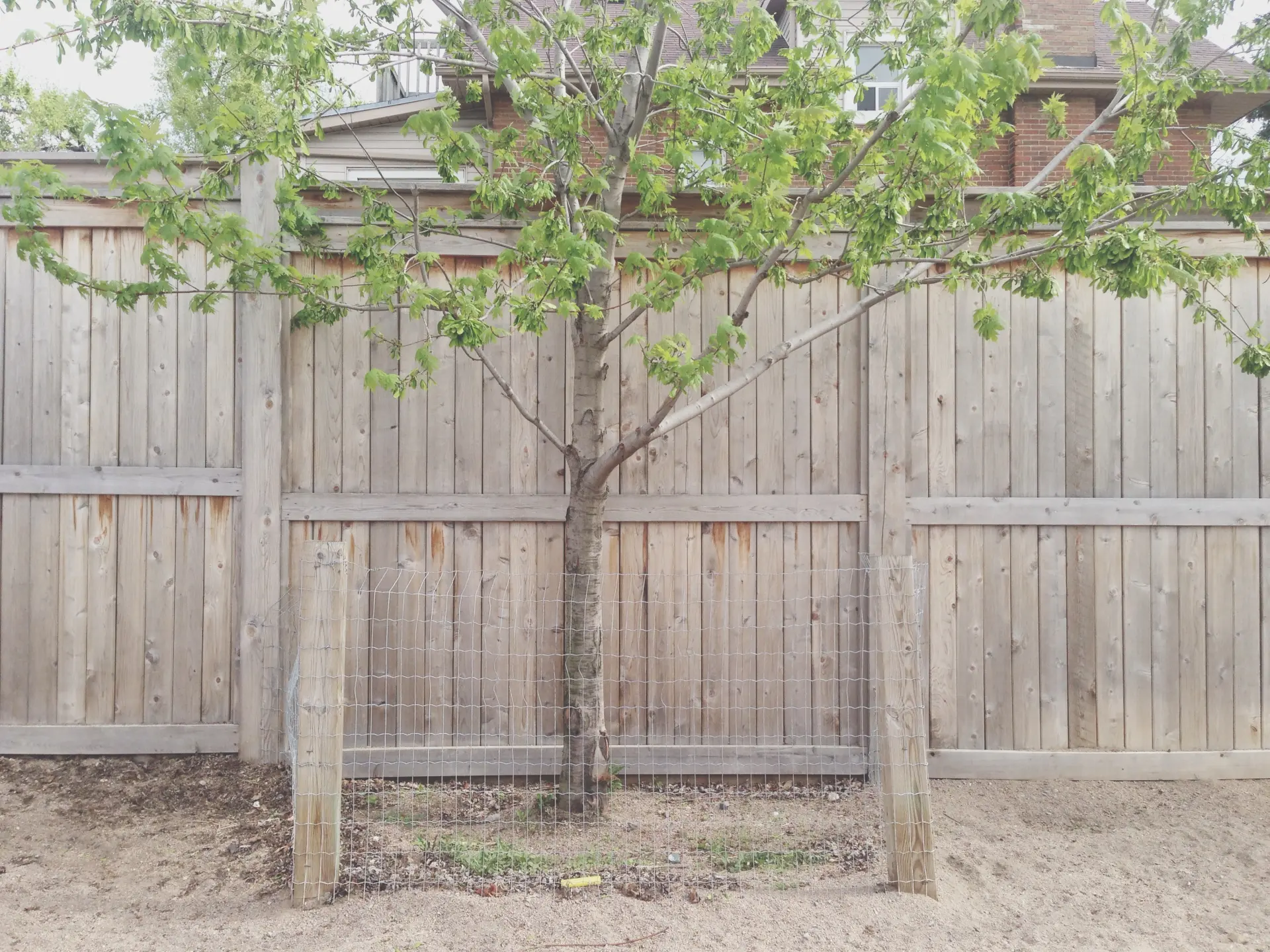
Replace corroded fixings with suitable outdoor alternatives. Timber panels with limited damage may sometimes be repaired by replacing individual boards or rails.
Heavily rotten, split or twisted panels are usually better replaced. Keep the lower edge clear of wet soil, deep mulch and standing water. Constant contact with damp ground can cause early decay. Gravel boards may help protect some panel types when they are installed correctly.
After repairs, the panel should remain level and resist normal movement without placing pressure on neighbouring sections. Regular checks reduce the chance of a panel breaking free during a storm and damaging plants, buildings, vehicles or nearby fencing.
Strengthen Weak Fence Posts
Weak fence posts should be strengthened before they lean far enough to damage connected panels. Warning signs include movement at the base, cracks, rot, corrosion or a post that no longer sits upright. The correct repair depends on the post material and condition. A sound timber post with limited movement may be supported using a suitable repair spur or strengthened foundation.
A badly rotten, split or bent post usually needs complete replacement. New posts must be set at a suitable depth and aligned carefully with the existing fence. The foundation should hold the post securely while allowing surrounding water to drain away.
Do not attach heavy panels or gates to a post until the repair is stable. Gate posts carry extra pressure and may need stronger materials or foundations. Strengthening posts early protects the wider fence line. It reduces leaning, improves resistance to wind and prevents the weight of unstable sections from being transferred to neighbouring posts.
Keep Plants and Climbing Vines Under Control
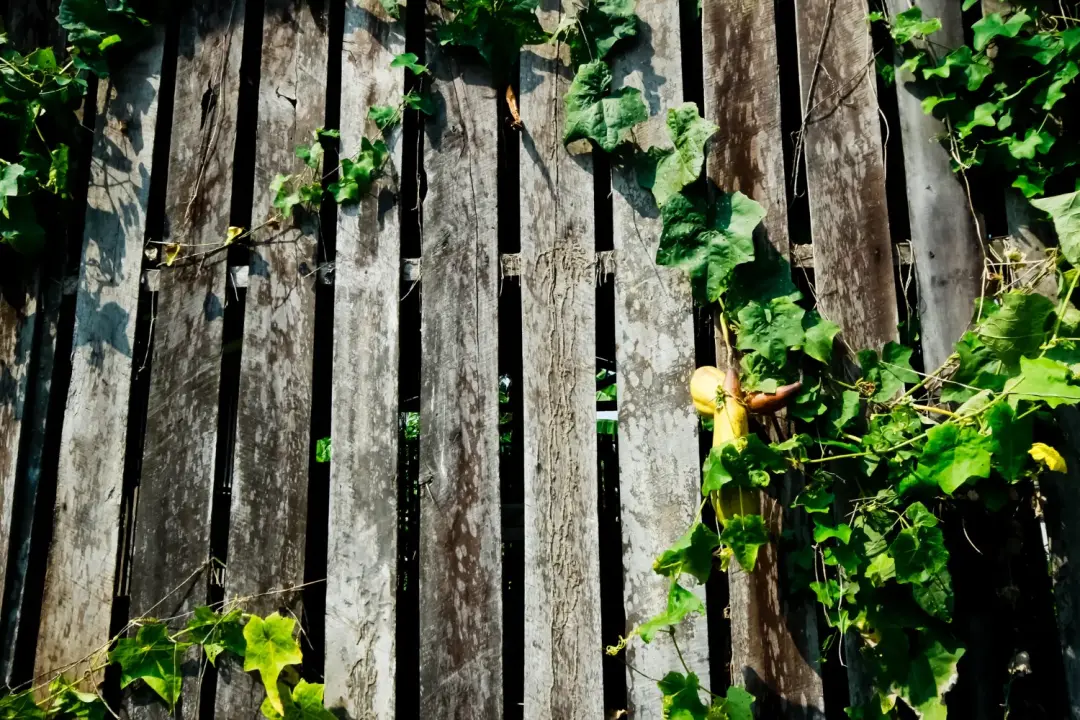
Plants and climbing vines can improve the appearance of a fence, but uncontrolled growth may trap moisture, hide damage and add considerable weight. Thick vines can work between boards, pull at fixings and make panels harder to inspect. Dense leaves also reduce airflow, allowing timber to remain wet after rain. Choose lighter plants where fencing is not designed to carry heavy growth. Use separate trellis, wires or supports so mature plants do not rely entirely on the fence. These supports should be attached carefully without weakening panels or posts.

Trim growth regularly and remove dead stems before they become tangled. Keep the lower section clear enough to inspect posts, rails and boards.
Avoid allowing roots or thick stems to push against foundations or move panels out of position. When removing established vines, work gradually. Pulling large growth away quickly may damage weak boards or expose sections that have already rotted.
A professional may be needed where plants are heavy or difficult to reach. Controlled planting can provide colour and privacy without harming the boundary. Regular trimming, separate support and clear inspection spaces help the fence remain dry, stable and accessible for maintenance throughout the year.
Trim Overhanging Trees and Branches
Overhanging branches can scrape panels, drop heavy debris and fall onto fencing during storms. Inspect nearby trees regularly and look for dead, cracked or low branches above the fence line. Small branches may be trimmed using suitable tools from ground level.
Do not work near power lines, climb unstable ladders or attempt to cut large limbs without proper training. Larger trees should be assessed by a qualified tree specialist. Keep enough space between branches and the fence to prevent repeated rubbing in windy weather. Remove fallen leaves and twigs because damp debris can collect around posts and lower boards.
Tree roots may also affect fence foundations by moving soil or lifting sections. Seek advice if posts repeatedly move near a large tree. Careful tree maintenance reduces impact damage, improves airflow and allows more sunlight to reach damp fence sections. It also lowers the risk of sudden damage during high winds, heavy rain or snow.
Protect Your Fence from Strong Winds
Strong winds place pressure on panels, posts, gates and fixings. The risk is greater in open gardens, exposed locations and boundaries fitted with large solid panels. Regular maintenance cannot stop every storm-related problem, but it can reduce the chance of avoidable failure. Check posts and panels before periods of severe weather. Tighten accessible loose fixings and arrange repairs for leaning or cracked sections. A weak panel is more likely to break free and place sudden pressure on the rest of the fence.

Keep gates closed and properly secured during high winds. A loose gate can swing repeatedly, damage hinges and pull its supporting post out of line. Remove lightweight objects, bins and garden furniture that could be blown into the fence.
Suitable panel design can also affect wind resistance. In very exposed areas, fencing that allows some airflow may experience less pressure than a completely solid barrier.
Any design changes should still provide the required privacy and security. Do not stand beside unstable fencing during a storm. Inspect the boundary afterwards and keep people away from leaning or hanging sections. Early repairs following wind damage help prevent weakened parts from failing during the next period of poor weather.
Secure Gates and Gate Posts
Gates place repeated pressure on hinges, latches and supporting posts. Check that each gate opens smoothly, closes fully and remains secure without dragging across the ground. A sagging gate can loosen fixings and gradually pull its posts out of position.
Tighten suitable fixings and replace worn hinges or latches before they fail. Keep moving metal parts protected with an approved lubricant where recommended. Do not apply products that attract large amounts of dirt. Gate posts should remain upright and stable. Movement at the base may require stronger foundations, repair supports or complete replacement.
Heavy gates need posts and fixings designed for their weight. Use a suitable catch or restraint to prevent the gate from swinging in strong winds. Never rely on a loose object to hold it open. Regular gate maintenance protects the entrance, prevents impact damage and reduces stress on the connected fence. It also helps preserve security by ensuring the gate closes and locks correctly.
Avoid Leaning Heavy Items Against the Fence
Heavy items placed against fencing can bend panels, loosen posts and trap moisture against timber. Bicycles, ladders, building materials, bins, logs and garden equipment should be stored on proper supports rather than relying on the fence. Even moderate weight can cause gradual movement when it remains in place for a long time. Pressure is often concentrated on one board or rail, which may crack or pull away from its fixings. Items can also move during wind and repeatedly strike the surface.
Create a separate storage area with stable flooring and suitable racks. Leave a small gap between stored objects and the fence so air can circulate and the boundary remains visible for inspection.
Do not hang heavy planters, shelves or tools from panels unless the fence has been designed to carry them. Extra weight should be supported by independent posts, walls or frames.
Check hidden areas after removing stored items. Look for damp patches, rot, rust and movement. Early repairs may be needed if the fence has remained covered for a long period. Keeping heavy objects away protects the fence from pressure, impact and trapped moisture. It also makes routine cleaning, treatment and inspection easier.
Prevent Damage from Garden Equipment
Lawnmowers, strimmers, wheelbarrows and other garden equipment can damage lower boards, posts and protective coatings. Repeated contact may chip timber, expose metal or loosen small sections over time. Use care when mowing or trimming close to the fence.
Maintain a narrow soil, gravel or planted edge where practical so machinery does not need to touch the structure. Protective boards may also help in busy areas. Keep strimmer lines away from timber and metal posts. Repeated strikes can cut through coatings and allow water to enter. Move tools, hoses and equipment carefully through gates to prevent impact with posts and hinges. Store garden machinery securely rather than leaning it against panels.
Check the fence after any collision, even when the damage appears small. Safe working habits protect both the equipment and the boundary. Avoiding repeated impact reduces cracks, rust and loose fixings, helping the lower part of the fence remain strong and presentable for longer.
Clean Your Fence Safely
Regular cleaning removes dirt, algae, bird waste, salt and plant material that may hold moisture against the fence. Use a soft brush, cloth or low-pressure water supply where suitable for the material. Begin with a small test area to check that the finish is not damaged. Avoid using excessive water around timber posts and foundations. High-pressure washing can strip protective coatings, force water into cracks and damage soft wood. It may also loosen paint or push dirt deeper into joints.

Use cleaning products designed for outdoor timber, metal or composite materials. Follow the instructions and protect nearby plants where required. Never mix chemicals, and wear suitable gloves and eye protection. Remove climbing plants and loose debris carefully before cleaning.
Allow timber to dry fully before applying paint, stain or protective treatment. Metal fencing should also be dried and inspected for exposed areas that may need rust protection. Cleaning is a good opportunity to identify cracks, loose fixings, corrosion and rot. Do not cover these problems with paint before repairs are completed.
Gentle, regular cleaning protects appearance and allows coatings to work effectively. It also prevents dirt from hiding early signs of structural damage that need attention.
Protect Metal Fencing from Rust
Metal fencing can rust when water and air reach exposed surfaces. Check for chipped paint, bubbling coatings, orange marks and corrosion around joints, bolts and ground-level sections. Clean small areas of surface rust using a method suited to the metal. Remove loose material, dry the surface and apply a compatible primer and protective finish. Follow the product instructions carefully.
Replace badly corroded fixings before they weaken or become difficult to remove. Check welded joints and hollow sections for trapped water. Drainage holes should remain clear where they form part of the design. Avoid scratching the coating with garden tools, chains or stored equipment. Coastal locations may need more frequent washing because salt can speed up corrosion.
Deep rust, holes or weakened supports need professional assessment. Painting over serious corrosion does not restore strength. Prompt treatment of small damaged areas helps prevent rust from spreading and extends the working life of metal posts, panels, gates and railings.
Prepare Your Fence for Winter Weather
Winter can expose fencing to strong winds, heavy rain, frost, snow and saturated ground. Prepare the boundary during milder weather so repairs and protective treatments have time to dry and set. Inspect posts, panels, rails, fixings and gates.
Repair leaning sections, replace broken boards and tighten suitable fittings. Clear leaves and garden waste from the base so moisture does not remain trapped against timber or metal.
Check drainage and remove blockages that cause water to gather around posts. Apply suitable timber treatment or metal protection before cold, wet conditions arrive. Follow product temperature requirements because some coatings cannot be applied safely in cold weather.
Trim unsafe branches and secure loose outdoor objects that may be blown into the fence. Make sure gates latch correctly and cannot swing freely during storms.
After snow or ice, avoid placing sudden pressure on frozen panels. Remove heavy snow carefully where it threatens to bend weak sections. Do not use sharp tools that may damage coatings or timber.
Winter preparation cannot prevent every weather problem, but it strengthens vulnerable areas and reduces moisture exposure. Regular checks throughout the season allow storm damage, movement and rot to be addressed before they spread.
Arrange Professional Fence Maintenance
Professional fence maintenance can help identify problems that are difficult to see during routine checks. A specialist can inspect posts, foundations, rails, panels, gates and fixings before recommending suitable work.
Maintenance may include securing loose sections, replacing damaged parts, treating timber, correcting gate alignment and addressing early corrosion. The service should focus on the cause of each problem rather than providing a short-term covering. Professional support is useful for large boundaries, exposed sites and fences affected by repeated movement or storm damage.
It may also be safer where heavy panels, concrete posts or difficult access are involved. Ask for a clear explanation of the work, materials and future care. Keep records of completed repairs so recurring issues can be monitored. Planned maintenance can extend the life of the fence and reduce sudden repair costs. It also helps maintain security, privacy and a neat appearance without waiting for sections to collapse or become unsafe.
Know When to Repair or Replace Your Fence
Deciding whether to repair or replace a fence depends on its age, condition and the amount of damage. A limited problem affecting one panel, rail or post can often be repaired successfully. Replacement may be more practical when rot, corrosion or movement affects much of the boundary. Compare the condition of the damaged section with nearby parts. Fitting a new panel between several weak posts may only delay a larger failure. Repeated repairs in the same area can also show that the original fence has reached the end of its useful life.

Consider security, privacy and safety. Large gaps, unstable posts and sharp damaged materials may require urgent work. A replacement fence can also provide an opportunity to choose a design better suited to wind, drainage or changing property needs.
Ask a professional to inspect the full fence line and explain the available options. A reliable service should not recommend complete replacement when a lasting repair is possible. It should also be honest when patching would offer poor value.
The right decision balances immediate cost with expected lifespan. Timely repairs protect sound fencing, while planned replacement can prevent repeated failures and provide a stronger, more dependable boundary.
MD Fencing & Decking delivers durable fencing, gates, and decking tailored to your property in Milton Keynes and the surrounding areas. From single-panel repairs to full garden boundary upgrades for residential and commercial properties, our fencing company provides dependable work, quality fencing, and a free quote for every job.