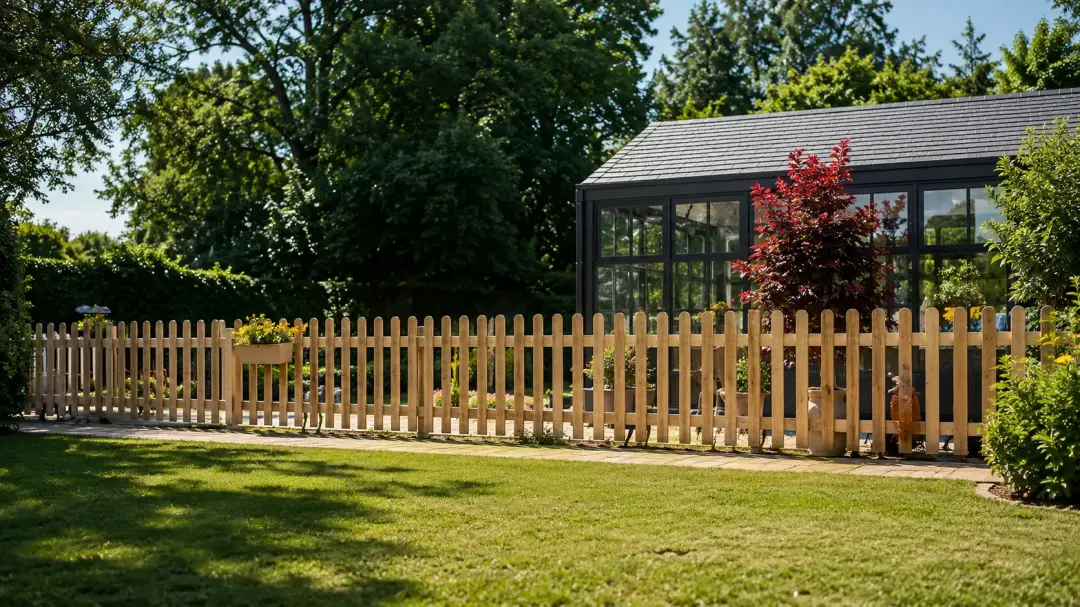
What Types of Properties Suit Picket Fencing?
Picket fencing can suit many different properties, particularly homes where an attractive and open boundary is preferred. Traditional cottages and period homes often work well with wooden picket fencing because the style complements older architecture and landscaped gardens.
Modern homes can also use picket fencing when cleaner shapes, simple colours and contemporary finishes are selected. Properties with front lawns, flower beds and pathways often benefit because the fence defines the garden without hiding it.
Picket fencing can also suit homes with driveways where visibility around vehicles and pedestrians remains important. Smaller gardens may benefit from the open design because solid fencing can sometimes make limited spaces feel enclosed.
The fence does not need to follow one particular architectural style. Height, material, colour and picket shape can all be adjusted. The best properties for picket fencing are generally those where homeowners want clear boundary definition while maintaining light, visibility and an inviting appearance.
Picket Fencing for Front Gardens
Front gardens are particularly well suited to picket fencing because the open structure creates a clear property boundary without hiding the house from view. This can help the frontage remain light, attractive and welcoming. A low or medium-height fence can separate the garden from pavements, neighbouring properties or shared spaces. Picket fencing can also help discourage people from walking across lawns and planted areas. A matching pedestrian gate provides a clear entrance and can help guide visitors towards the front door. The fence style should complement the property. Traditional timber can suit cottages and older homes, while simpler profiles or metal systems can work around more modern buildings.
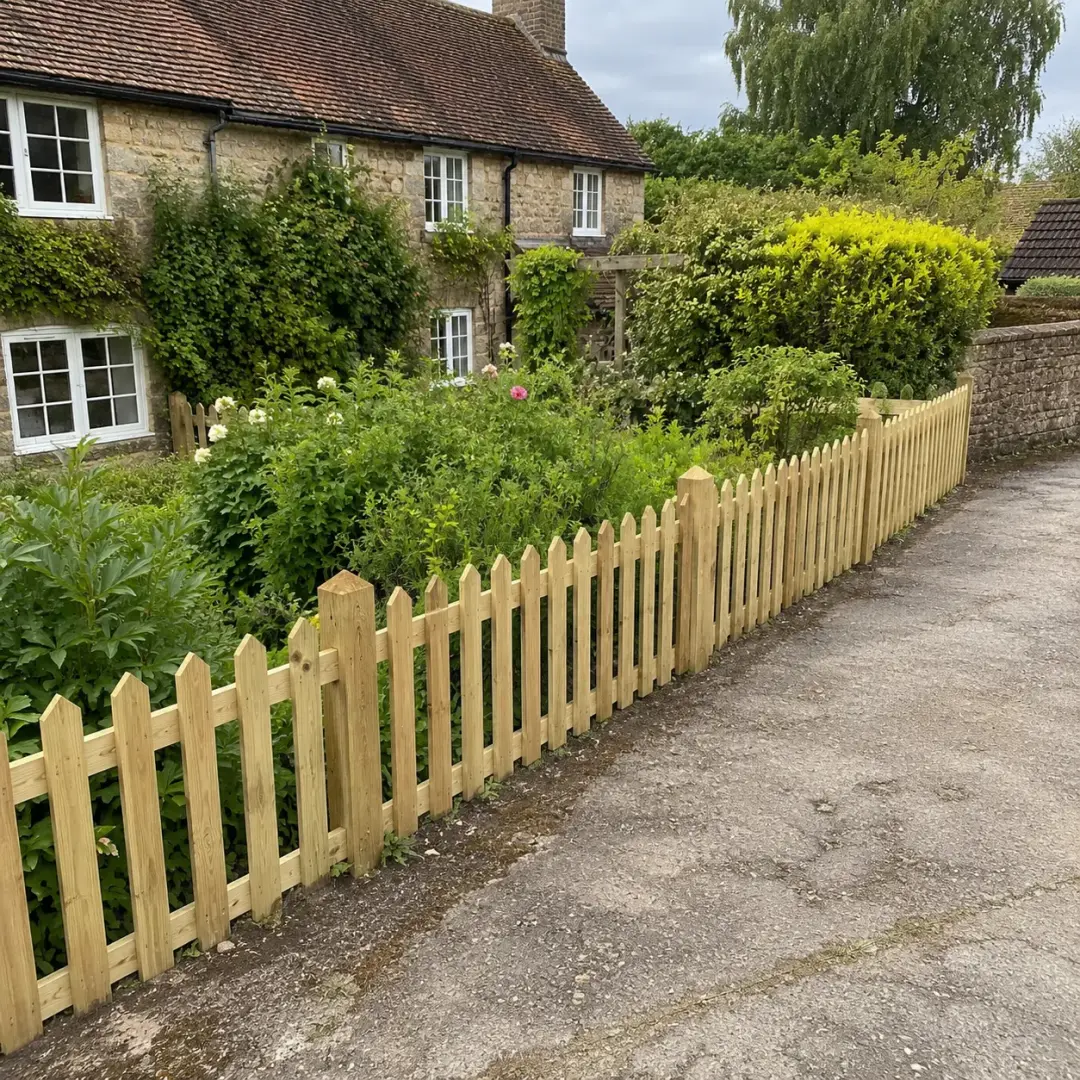
Colour also affects the overall appearance. Natural wood stains provide a softer finish, while painted fencing can coordinate with doors, window frames or other exterior details.
Where children or pets use the front garden, height and spacing need additional thought. Driveway visibility should also remain clear.
Planning regulations or restrictions may apply to certain front boundaries, particularly near highways, so homeowners should check relevant requirements before installation. A well-designed picket fence can improve the appearance of a front garden while creating useful separation between public and private space.
Picket Fencing for Back Gardens
Picket fencing can work well in back gardens where complete privacy is not the main requirement. It is particularly useful for separating different parts of a larger outdoor space.
Homeowners may use it around lawns, flower beds, vegetable gardens or children's play areas. Because the gaps remain open, light can pass through and the garden still feels connected. This can make picket fencing useful where solid boundaries would create too much enclosure. Matching gates can provide access between different sections. The height should reflect how the fence will be used. Lower fencing may be suitable for decorative separation, while taller versions can create a stronger boundary.
If the main goal is screening neighbours or creating a private seating area, another fencing type may be more appropriate. Picket fencing is therefore best suited to back gardens where homeowners want organisation and definition without sacrificing views, light or the open character of the wider garden.
Are you considering garden fencing installation or replacement?
MD Fencing & Decking work throughout Hertfordshire and Buckinghamshire, covering the A10 corridor from the start of the M25 up into Buntingford. Our services also cover Milton Keynes and nearby areas including:
Picket Fencing for Driveways
Picket fencing can be installed beside driveways to create a clear division between parking areas, lawns, paths and neighbouring boundaries. Its open design can be particularly useful because it maintains visibility around vehicles. The fence should be positioned carefully so drivers can see pedestrians, cyclists and other traffic when entering or leaving the property. Low picket fencing may provide enough definition without interfering with sightlines. Posts close to the driveway should be located where they are less likely to be struck by vehicles.
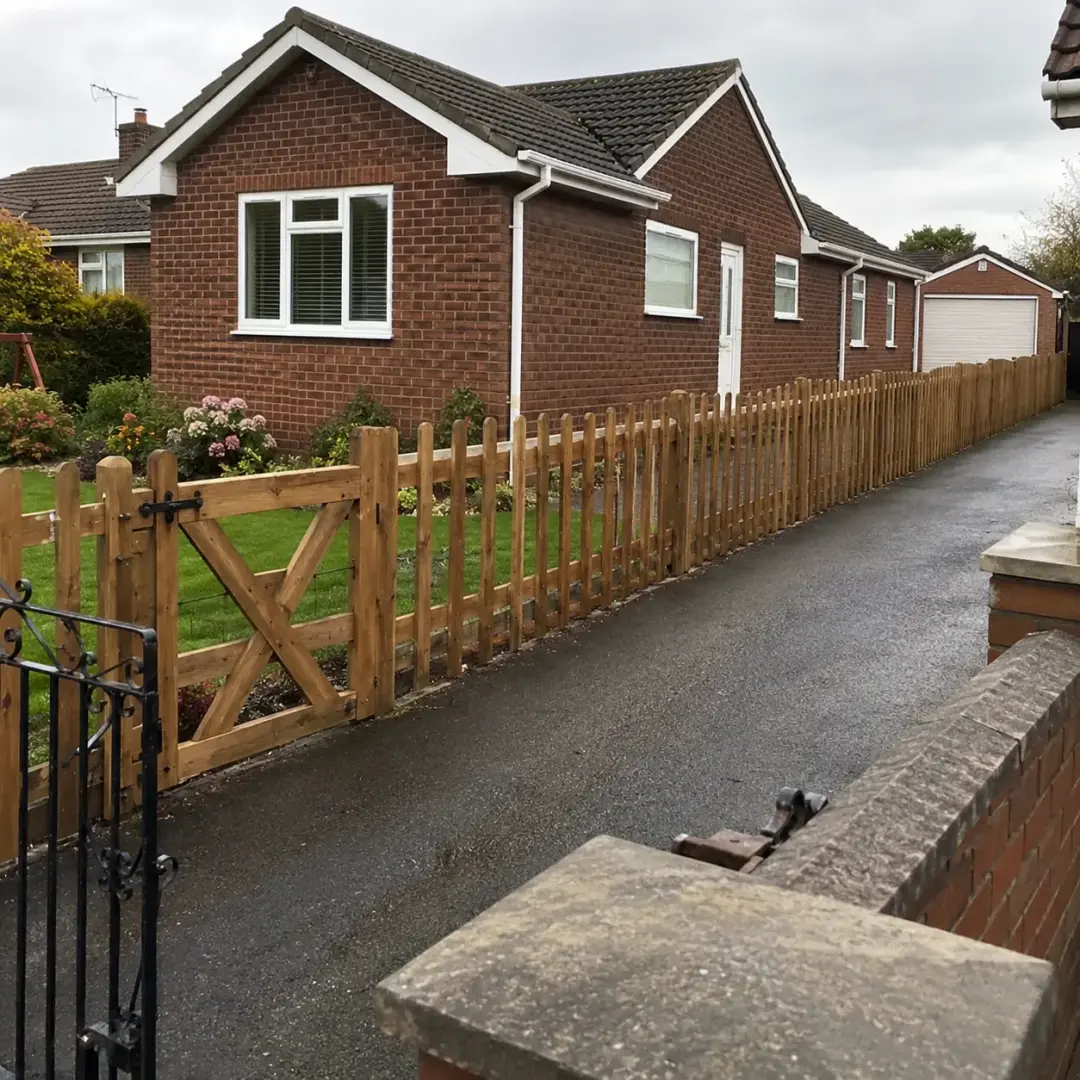
Matching driveway gates can be included if greater control of vehicle access is required. These may be combined with a separate pedestrian gate for people entering on foot. The materials and finish should reflect exposure to road dirt, standing water and regular use.
Wooden fencing beside driveways may need periodic cleaning and treatment, particularly where water splashes from vehicles. Metal fencing can offer a lower-maintenance alternative depending on the system selected.
Ground levels also need to be checked because driveways often slope towards the road or property. Professional planning helps ensure gates open correctly and fence sections follow the terrain neatly. Used appropriately, picket fencing can provide an attractive driveway boundary without creating the visual obstruction associated with many solid fence types.
Picket Fencing for Paths and Entrances
Picket fencing can help define paths and entrances by creating a clear route through the garden. Low fencing beside a pathway can prevent people from walking across lawns or planted areas while still keeping the surroundings visible. A matching gate can make the main entrance more noticeable and provide a clear transition into the property. Gate width should allow comfortable everyday access.
Consider whether pushchairs, wheelie bins, bicycles or garden equipment regularly pass through the opening. The fence should not reduce a narrow path to an impractical width. Colour, picket shape and gate design can all be coordinated with the property. Where the ground rises or falls, the fencing may need to step or follow the slope.
Picket fencing works particularly well around entrances because it creates structure without making visitors feel enclosed. A carefully designed installation can therefore improve both the appearance and practical layout of paths leading through the property.
Picket Fencing for Traditional Properties
Traditional properties are often strongly associated with wooden picket fencing because the simple repeating design complements cottages, period homes and older suburban properties. It can create a decorative boundary without obscuring original architectural details. Timber is usually the most natural material choice for this style. The fence can be stained to retain the wood grain or painted in a colour that complements the building. Shaped or pointed picket tops can provide a more traditional appearance. Decorative post caps may also be added.
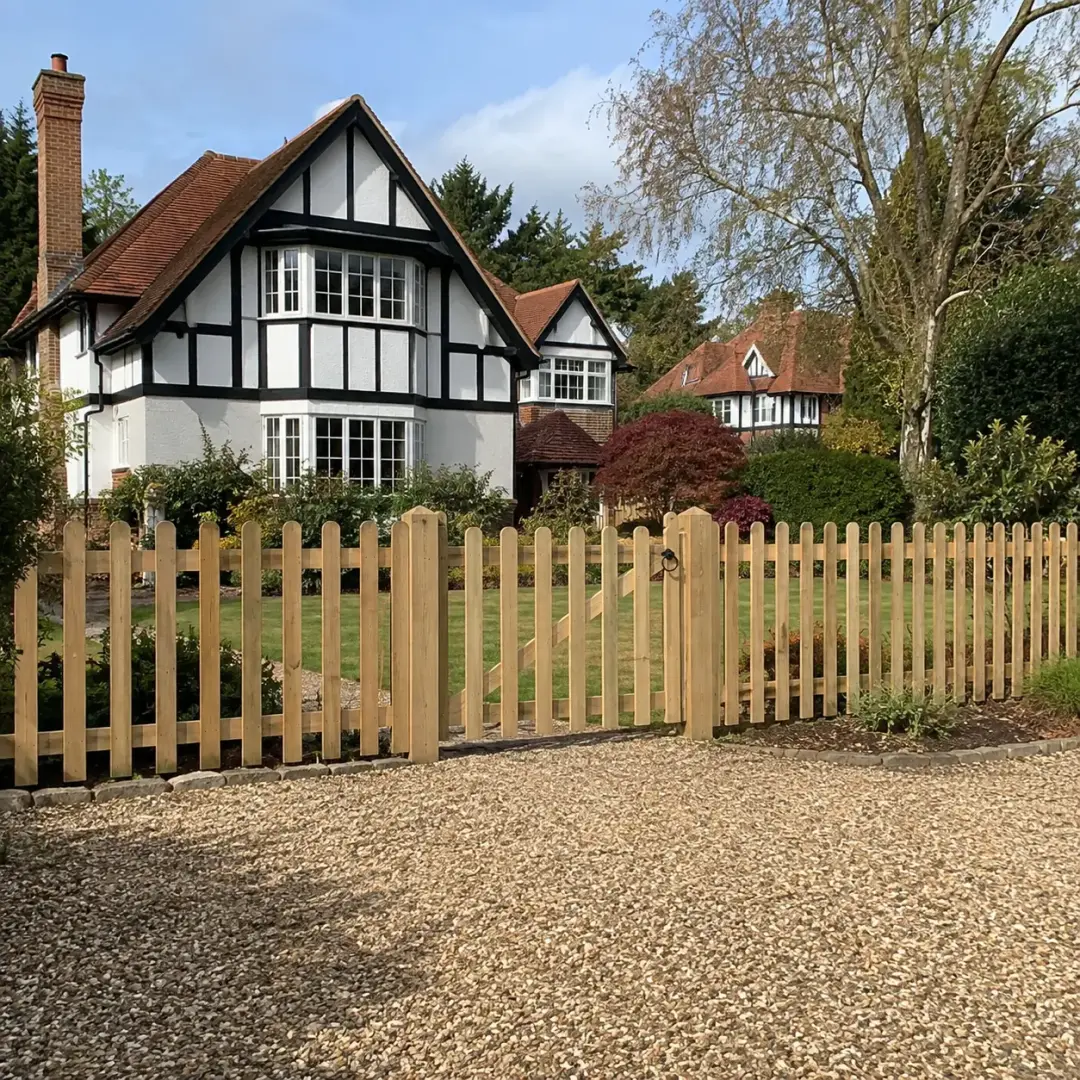
Height should be selected carefully. Lower fencing often works particularly well around traditional front gardens because it frames the property without hiding windows, doors or planting. Matching gates help maintain a consistent design along the boundary. Garden features can also influence the final style.
Flower beds, hedges and cottage planting often work particularly well with open picket fencing. Practical needs should not be overlooked. Families with children or pets may require closer spacing or greater height.
Wooden fencing also needs routine treatment to protect it from weather damage. When the design, colour and proportions are matched carefully to the property, picket fencing can enhance the character of a traditional home while still providing a useful everyday boundary.
Picket Fencing for Modern Homes
Modern homes can also suit picket fencing when the design uses clean lines and a simple finish. Square-ended pickets can create a more contemporary appearance than highly decorative traditional profiles. Dark painted timber, natural wood tones or metal systems can all complement modern buildings. Spacing should remain consistent to maintain a neat and structured look.
Lower fencing can work particularly well around landscaped front gardens where homeowners want a defined edge without obstructing the architecture. Matching gates can use the same simple shapes and materials. Metal picket fencing may appeal to homeowners wanting less timber maintenance. However, wooden fencing can still work effectively when treated in a restrained colour.
The overall design should coordinate with windows, doors, cladding and other exterior features. Avoiding unnecessary decorative details can help the boundary feel more appropriate to a modern home. Picket fencing therefore does not need to be limited to traditional properties and can be adapted successfully to contemporary settings.
How Picket Fencing Affects Kerb Appeal
Picket fencing can improve kerb appeal by creating a neat boundary around the front of a property. It frames the garden while allowing the house, planting and pathways to remain visible from outside. This open appearance can make the frontage feel welcoming rather than heavily enclosed. The condition of the fencing has a major influence on the result. Straight posts, consistent picket spacing and a well-maintained finish create a much better impression than leaning or damaged sections. Colour can also connect the fence with other exterior features.
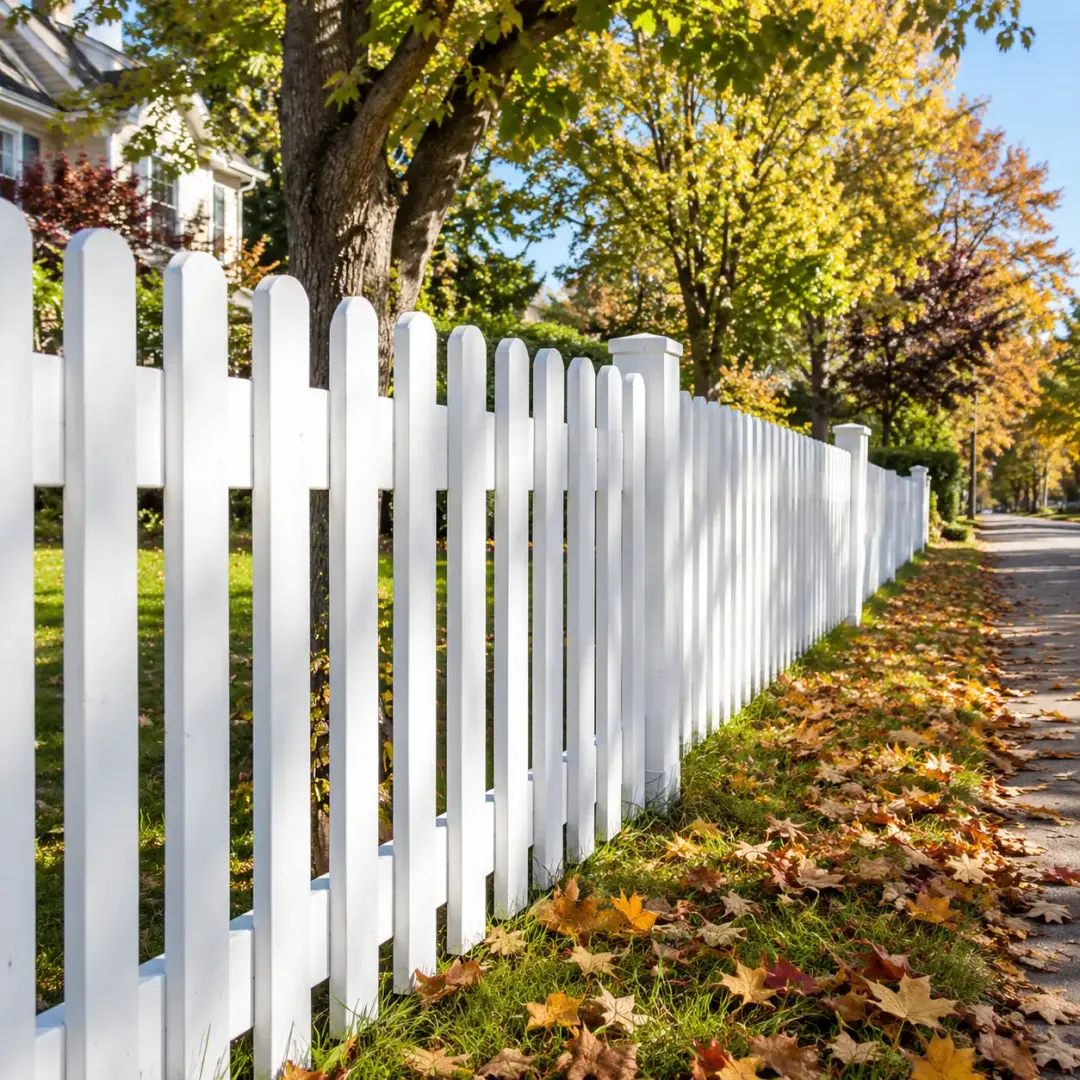
For example, painted timber may coordinate with doors and window frames, while natural stains can complement planting and other wooden garden features. Gate design is important because the entrance often becomes a focal point.
Matching pickets and suitable hardware create a more complete appearance. Fence height should suit the proportions of the front garden and building. Very tall fencing can dominate a smaller property, while a lower boundary often keeps attention on the house itself.
Materials also influence kerb appeal. Wood creates a softer traditional appearance, while metal can provide cleaner lines. When the style is selected carefully and maintained properly, picket fencing can make the property frontage look more organised, attractive and finished.
Does Picket Fencing Provide Enough Privacy?
Picket fencing provides limited privacy because the spaces between individual boards allow views through the boundary. This openness is one of the main characteristics of the design. For front gardens, this can be an advantage because the property remains visible and the space feels less enclosed.
For back gardens, homeowners wanting complete screening may find picket fencing unsuitable. Increasing the fence height does not necessarily provide full privacy if the gaps remain wide. Closer spacing can reduce visibility, although this changes the traditional open appearance. Plants and hedges may sometimes be combined with picket fencing to create additional screening over time.
However, this should be planned carefully so vegetation does not trap excessive moisture against wooden components. Where privacy is the main priority, panel or closeboard fencing may be more appropriate. Picket fencing is generally best for homeowners who want a defined boundary while still maintaining light, views and visual connection with surrounding areas.
Can Picket Fencing Improve Property Security?
Picket fencing can provide a basic physical boundary that helps define private property and discourages casual access. However, it is generally not intended to provide the same level of security as tall solid fencing or specialist security systems. Height makes a difference. Very low decorative picket fencing is relatively easy to step over, while a taller design creates a more noticeable obstacle. Gate latches and locks can also help control normal access. The fence should be kept in good condition because loose pickets or damaged sections create easy gaps.
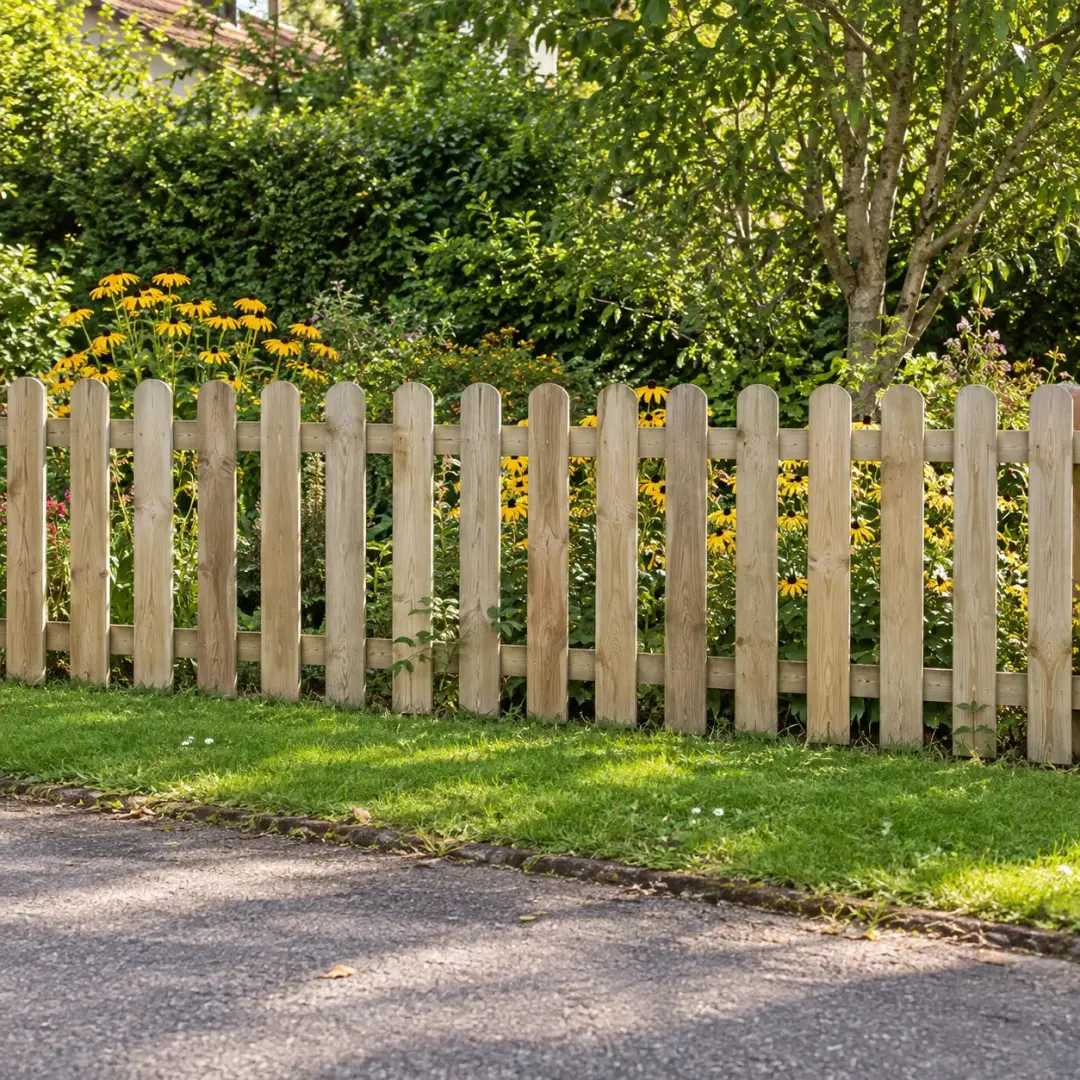
Picket spacing needs to suit the intended purpose. Closer spacing can make the boundary more substantial while still retaining some visibility.
The open design can offer one security advantage because homeowners can see people approaching through the fence. There are fewer hidden areas immediately behind the boundary than with completely solid fencing.
For many residential properties, picket fencing is most suitable as part of a wider security approach. Lighting, secure doors and gates can provide additional protection.
Homeowners needing a particularly strong anti-intrusion boundary may be better served by another type of fencing. Picket fencing can still improve everyday boundary control, but its main strengths remain appearance, openness and clear separation rather than high-level security.
Is Picket Fencing Suitable for Children?
Picket fencing can be suitable around gardens used by children when the design is chosen carefully. Spacing between the pickets should be narrow enough to prevent younger children easily passing through.
Fence height also needs to reflect the age of the children and how the area is used. Sharp decorative tops may be unsuitable around active play areas. Rounded or simpler picket profiles can provide a more suitable alternative. Gates should close securely and use latches positioned appropriately.
The bottom of the fence should not leave large gaps where children could crawl through. Regular maintenance is also important. Loose boards, protruding nails, screws or splintered timber should be repaired promptly. Picket fencing should not be treated as a specialist safety barrier or substitute for adult supervision. However, when properly designed and maintained, it can provide a useful visible boundary around family gardens while still allowing parents to see through into adjoining areas.
Can Picket Fencing Help Keep Pets Safe?
Picket fencing can help contain some pets, but suitability depends greatly on the animal's size, behaviour and ability to jump, climb or dig. A design that works for one dog may be ineffective for another. The spaces between pickets are particularly important. Small pets may squeeze through gaps that appear reasonably narrow. Closer spacing can reduce this risk. Fence height should also reflect the jumping ability of the animal. Low decorative fencing may not contain larger or more energetic dogs.
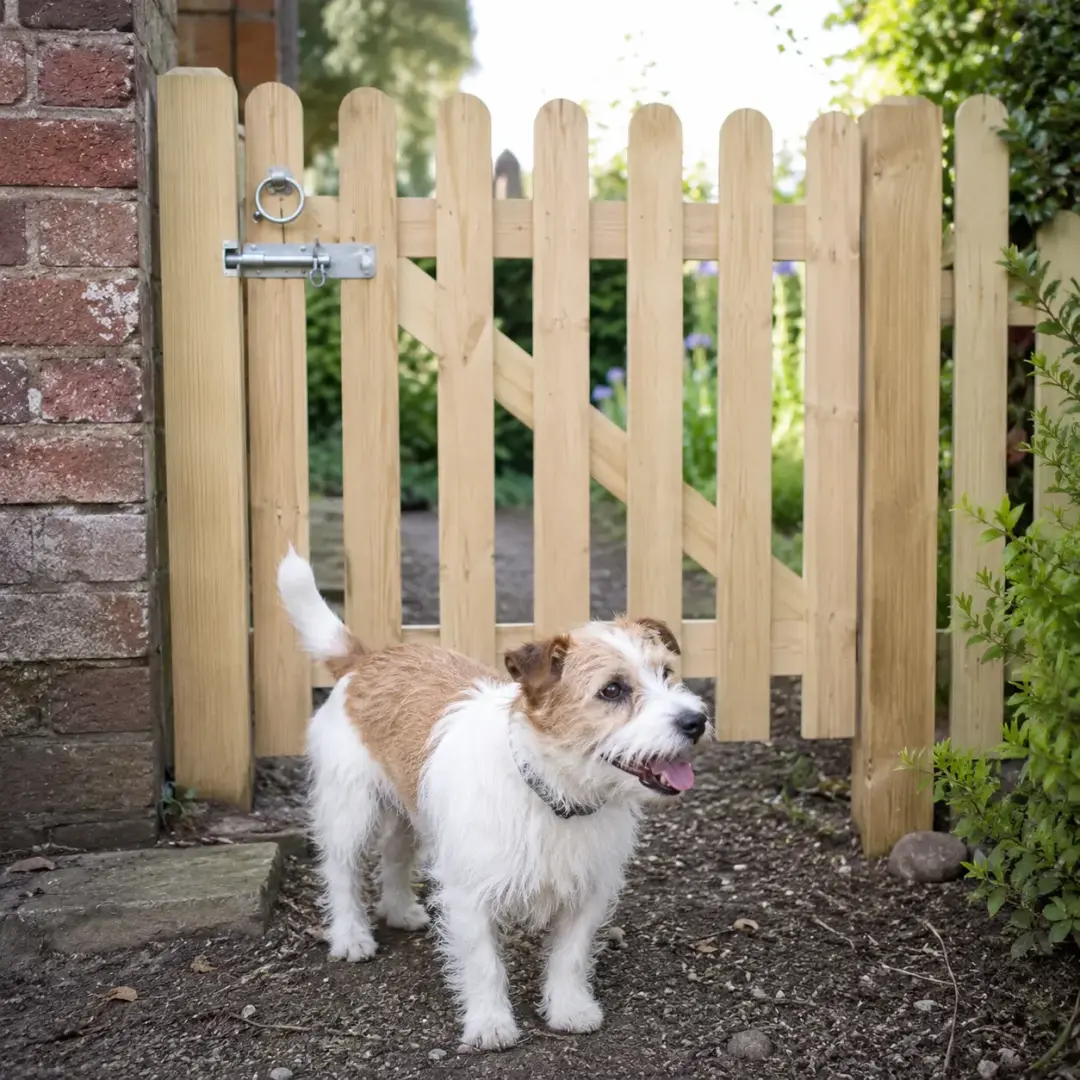
The bottom of the fence needs attention where ground levels vary. Gaps beneath pickets can create easy escape points. Gates should use secure latches and should not leave excessive openings along the sides or underneath. Pets that dig may require additional measures along the base.
The open design provides good visibility, allowing owners to see animals through the boundary. However, it can also allow pets to see activity outside, which may encourage some dogs to attempt escape. Regular inspections are important because damaged or loose pickets can create new openings.
Picket fencing can be suitable for many family pets when designed around their individual behaviour, but homeowners with determined escape artists may need a taller, closer or more specialised boundary.
Choosing the Right Height for Your Fence
Fence height should be selected according to appearance, location and what the boundary needs to achieve. Low picket fencing is commonly used around front gardens where the main purpose is decorative definition. A taller fence can provide greater separation and may be more suitable for children or pets.
However, increasing the height reduces some of the open appearance associated with picket fencing. Driveways may require lower sections to maintain suitable visibility. Neighbouring boundaries and garden proportions should also influence the decision. A very tall fence can look out of place around a small property.
Local planning requirements may restrict fence height in certain locations, particularly near roads or property frontages. These should be checked before installation begins. Ground levels can also affect how tall a fence appears from opposite sides. Professional installers can measure the site and recommend a height that balances practical needs with the appearance of the property.
Choosing the Right Picket Fence Style
Picket fencing is available in many styles, and small changes in shape or spacing can significantly alter the finished appearance. Traditional designs often feature pointed, rounded or decorative picket tops. Square-ended boards tend to create a simpler and more contemporary look. Picket width also matters. Narrow boards can produce a delicate appearance, while wider pickets create a stronger visual boundary. Spacing determines how open the fence feels. Wide gaps allow more light and visibility, while closer spacing provides greater separation.
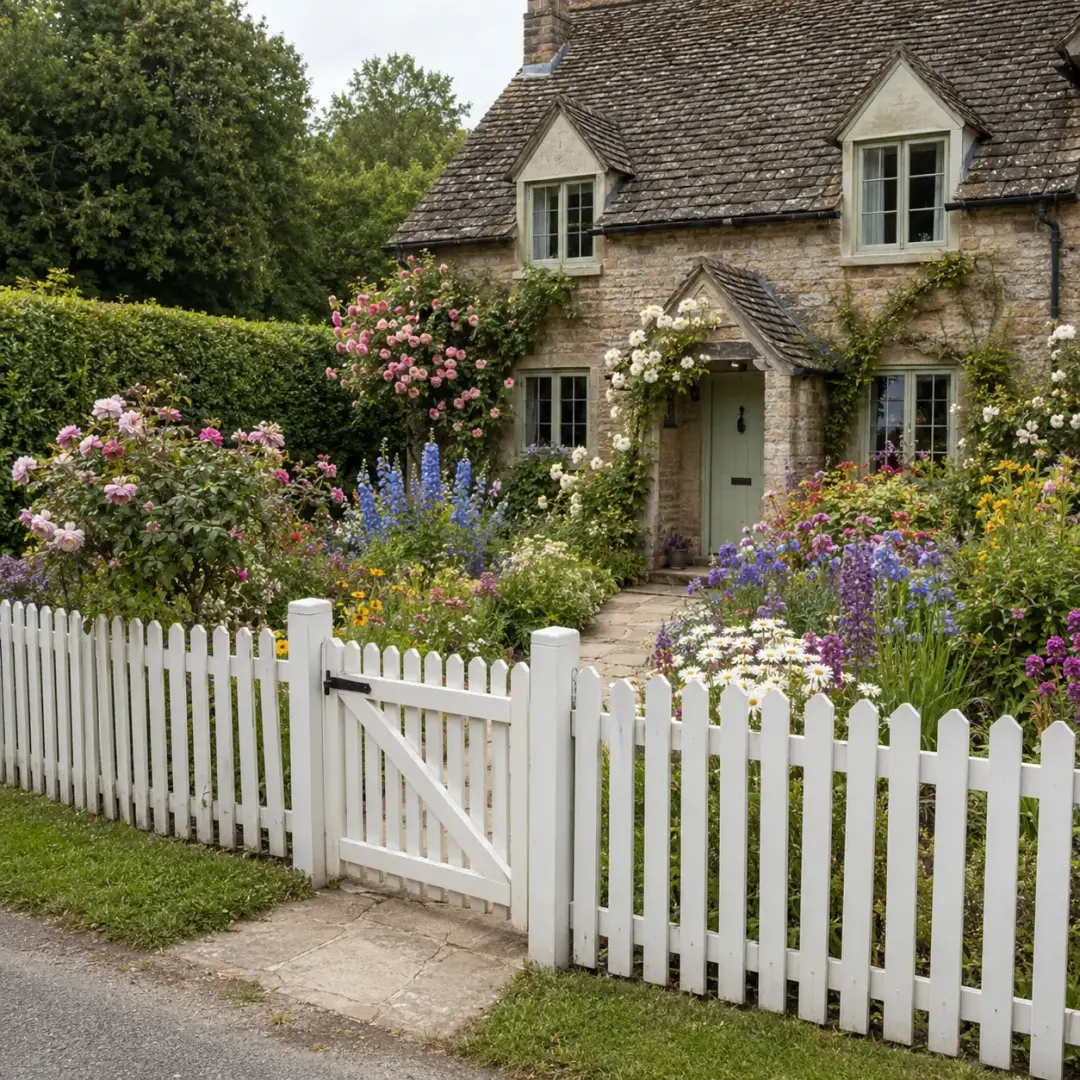
The post design should complement the pickets. Decorative caps can suit traditional properties, while simple posts may work better around modern homes. The gate should normally match or coordinate with the main fence.
Material influences the style as well. Timber provides a natural appearance and can be painted or stained. Metal systems often create straighter lines and a more uniform finish. The surrounding property should guide the choice rather than selecting a design in isolation.
Consider windows, doors, garden structures and existing boundaries. A fence that looks attractive in a catalogue may appear very different once installed around a particular house. Choosing a consistent style helps the boundary feel like an intentional part of the property rather than an added feature.
Wooden Picket Fencing Explained
Wooden picket fencing is the traditional option and is widely used around residential gardens. Individual timber pickets are attached to horizontal rails supported by posts. Wood creates a natural appearance that works particularly well with lawns, shrubs and flower beds. The pickets can be shaped in different ways and painted or stained in many colours.
Timber is also relatively straightforward to repair because individual damaged pickets can often be replaced. The main consideration is maintenance. Outdoor wood needs periodic treatment to reduce weather-related deterioration. Paint, stain or wood preserver may need renewing every few years depending on exposure and the product used.
Fence posts should be inspected carefully around ground level because moisture can contribute to decay. Loose fixings and cracks should also be repaired promptly. For homeowners who like natural materials and are prepared to maintain them, wooden picket fencing can provide an attractive and flexible boundary.
Metal Picket Fencing Explained
Metal picket fencing provides a more uniform alternative to traditional timber while retaining the same open boundary style. Steel or other metal systems can be used around front gardens, driveways and landscaped areas. Metal fencing is often chosen where homeowners want lower routine maintenance. Protective coatings can help reduce corrosion and maintain the finish for long periods. The exact maintenance requirement depends on the material and coating. Scratches or chips should still be dealt with before corrosion develops.
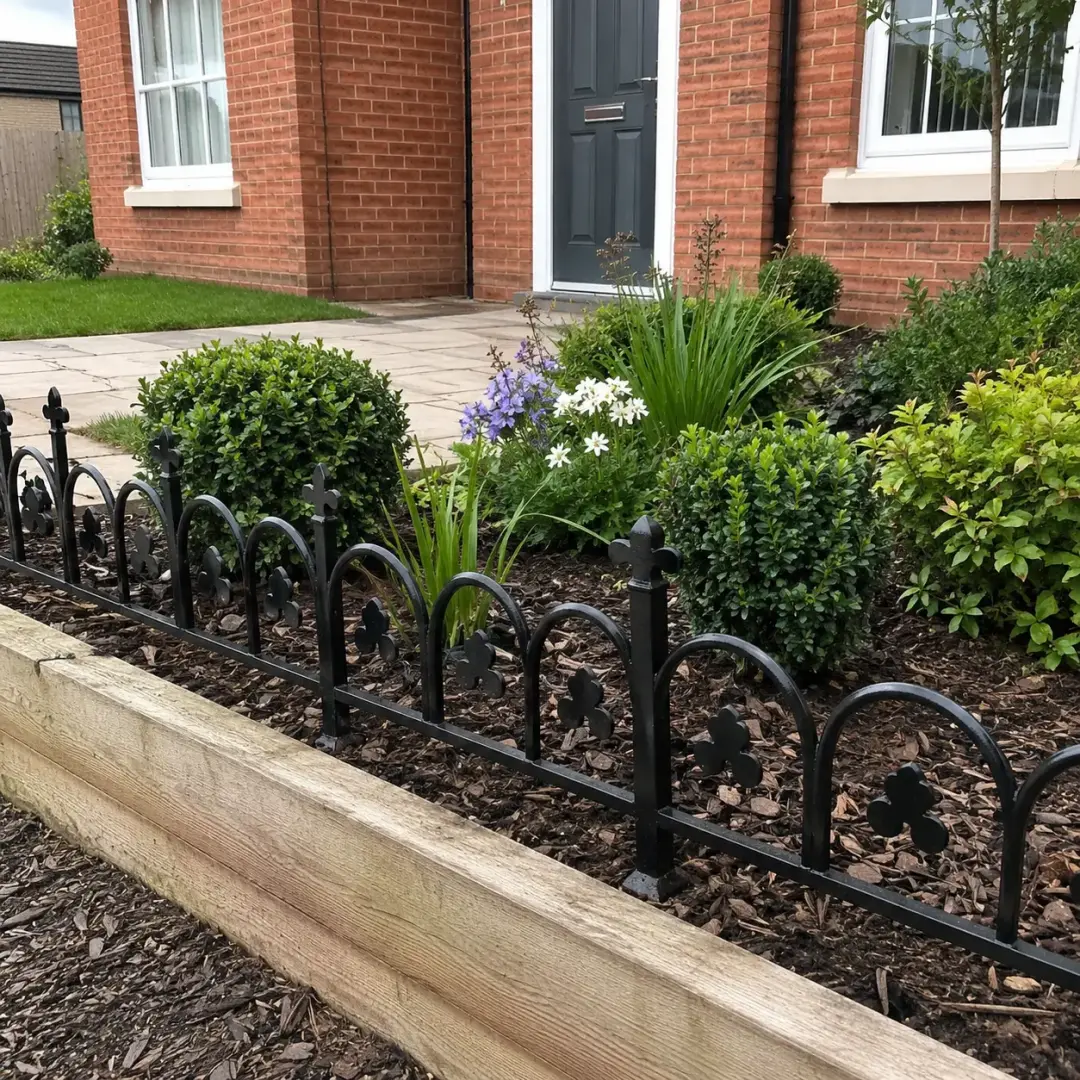
Metal pickets can have decorative or simple tops, making the style suitable for both traditional and modern homes. Black and dark-coloured finishes are common because they create a clear boundary without visually dominating the garden. Matching gates can be manufactured using the same design.
Metal fencing is generally less easy to alter on site than timber, so accurate measurement and planning are important. Posts and fixings need to be installed securely. Cost can vary according to material, design, height and finish.
Homeowners should compare long-term maintenance as well as initial price. For those wanting an open boundary with consistent lines and reduced timber treatment requirements, metal picket fencing can be a practical alternative.
Choosing a Suitable Colour and Finish
Colour and finish influence how well picket fencing complements the property. Wooden fencing can be stained to retain the grain or painted in a solid colour. Natural shades work well where homeowners want the fence to blend with planting. White and lighter colours create a more traditional appearance.
Darker finishes can suit both traditional and contemporary homes. Metal fencing is also available in several coated colours, with black and grey commonly used. The chosen finish should be suitable for exterior conditions. Maintenance requirements should be considered alongside appearance. Light paint colours can show dirt more readily, while stains may fade gradually over time.
The fence can coordinate with gates, sheds, decking, doors or window frames without needing to match them exactly. Testing a small colour sample outdoors can be helpful because natural light may make it look different from a printed colour chart. A carefully chosen finish can help the fence feel connected to the wider property.
Matching Picket Fencing with Gates
Matching gates help make a picket fence installation look consistent and provide controlled access through the boundary. The gate can repeat the same picket shape, spacing, material and colour used across the fence. Pedestrian gates should be wide enough for comfortable daily use. Homeowners should consider pushchairs, wheelie bins, bicycles and garden equipment when deciding the opening width. Driveway gates require a wider and stronger design. The hinges and posts must be capable of carrying the additional weight.
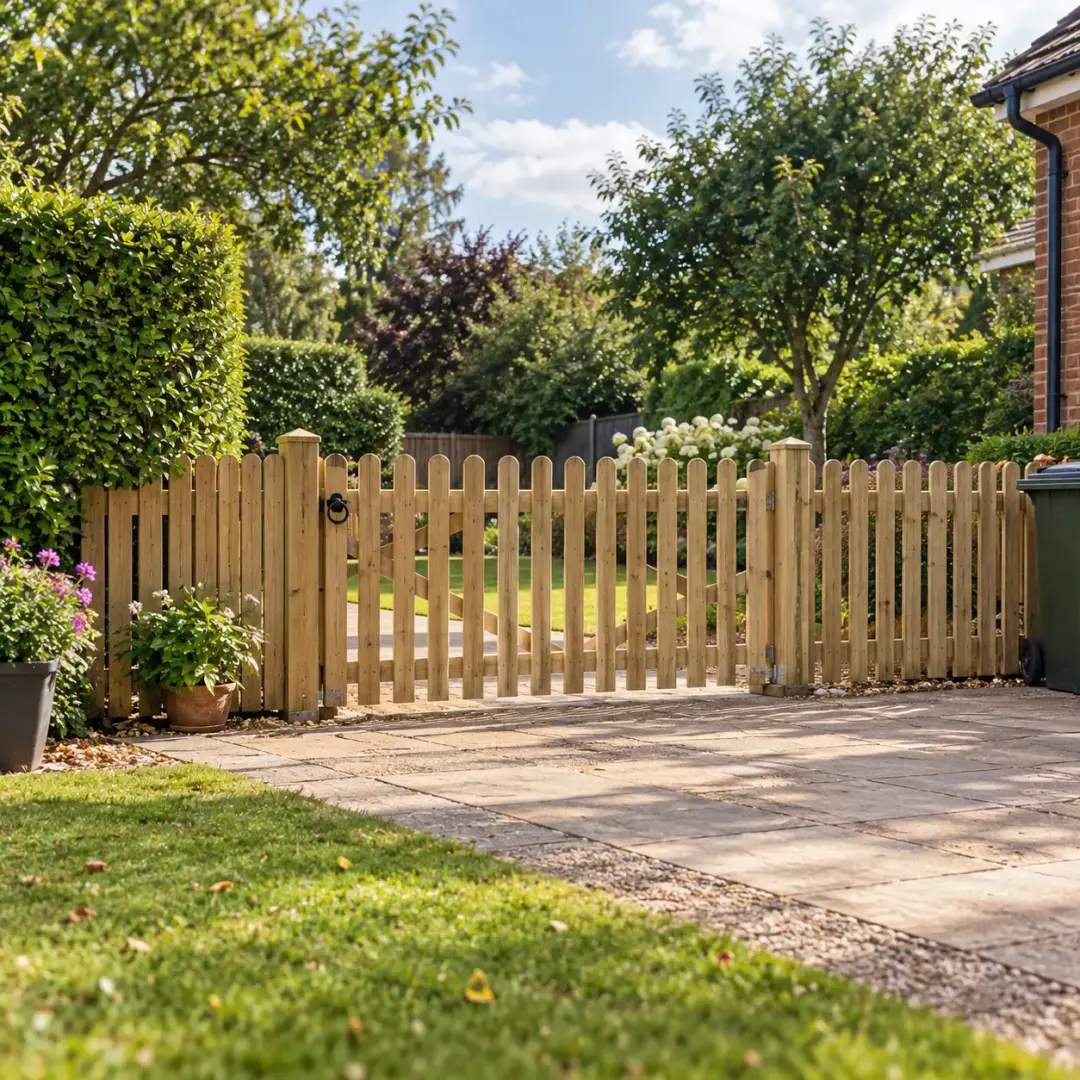
Gate height will usually match the surrounding fence, although slightly different designs can sometimes create an attractive entrance feature. The latch should be easy for authorised users to operate while providing the level of security required.
Families with children or pets may need additional consideration around latch position and gaps. Ground clearance is also important. A gate installed too close to uneven ground may drag or become difficult to open. Sloping entrances can require special planning.
Matching hardware, colours and post details help complete the design. A professionally installed gate should move smoothly, sit squarely when closed and align neatly with the surrounding fencing. Combining the fence and gate design from the beginning usually produces a more practical and visually consistent result than adding an unrelated gate later.
For professional picket fencing in Milton Keynes, Buckinghamshire, MD Fencing & Decking provides practical, attractive fencing for homes and gardens. We install, repair and replace picket fencing, helping customers improve boundaries, entrances and outdoor spaces with neat, durable timber fencing.