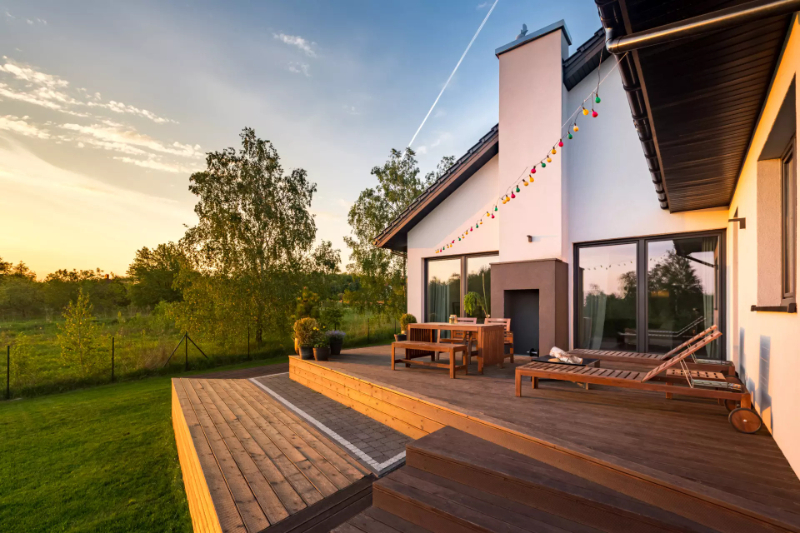
What are the main benefits of garden decking? For many homeowners in the UK, adding decking is a simple way to transform a garden into a more useful, more attractive and more comfortable outdoor space. A well designed deck can help you create extra space, improve the look of your home, and support better outdoor living throughout the years.
Whether you are interested in timber decking, composite decking or other decking materials, this article explains the key benefits and the main points to think about before you start your project. From cost and installation to maintenance, safety and design, there are many reasons why decking remains a popular choice for modern garden improvement.
Should I add garden decking to my home?
Many people ask whether adding decking is worth the cost, time and effort. In most cases, the answer is yes. A good decking area can create a more practical outdoor living space, support better garden design, and give your family a place to relax, dine and spend time with loved ones.
A garden with decking can feel bigger, more organised and easier to use. It can help you divide the space into functional zones, such as a seating area, an outdoor dining area, a quiet corner for rest, or pathways linking different areas of the garden. This is one of the main reasons why decking works so well in both large and small areas.
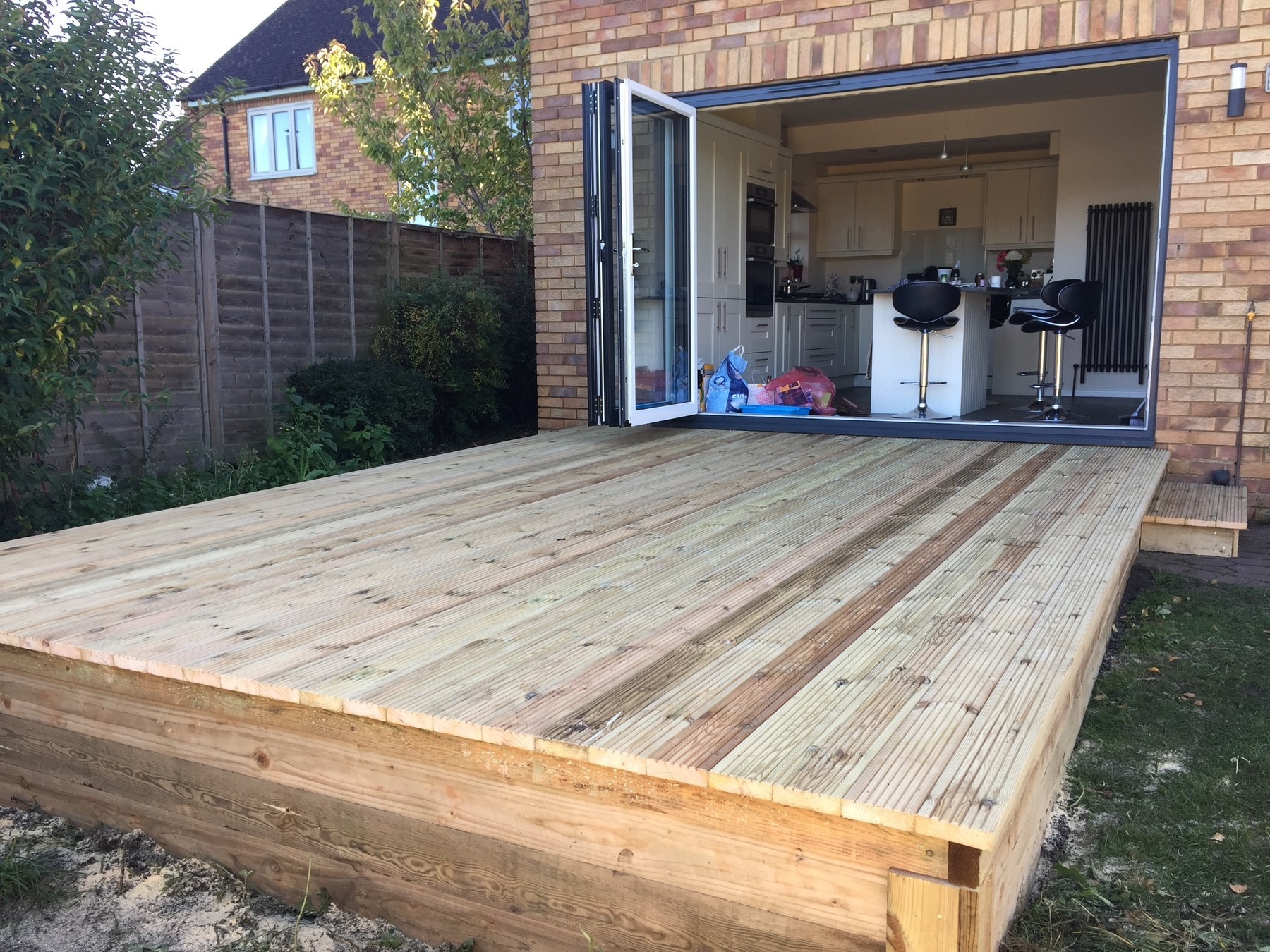
If your garden is sloped, uneven or has a different level, decking is often a great solution. Unlike some patios or paving, it can be built to suit awkward shapes and levels, allowing you to create a flat, stable surface where you can walk, sit and enjoy the outdoors. It can also complement lawns, borders, potted plants, pools and pathways, helping the whole garden feel more connected.
Garden decking creates a better outdoor space
One of the biggest benefits of garden decking is that it helps you create a more useful outdoor space. A plain lawn or bare patch of ground may have potential, but a deck gives the space purpose. It turns an empty garden into a true outdoor living space where daily life can happen more easily.
A beautiful deck can become the perfect outdoor space for morning coffee, evening meals, reading in the sun, or spending summer weekends with family and friends. It can also serve as a flexible living space for children to play, for pets to relax safely, or for adults to enjoy a calm and relaxing place away from the busy parts of the home.
Because decking can be built in many styles, colours, textures and patterns, it is easy to tailor the finished design to your specific needs. Some people prefer a classic look with traditional timber decking, while others choose a more modern finish using composite decking or PVC. Either way, decking can enhance both the functionality and visual appeal of your garden.
Entertaining friends and family
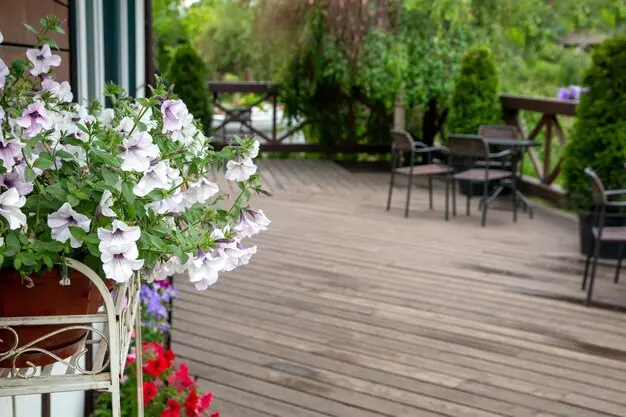
A deck is ideal for social use. It gives you a comfortable surface for garden furniture, outdoor sofas, dining sets and barbecues, making it easier to host guests. If you enjoy outdoor living, decking gives you the room to create a welcoming setting for parties, family meals and casual evenings with friends.
Many homeowners use garden decking to create an outdoor dining area that feels like an extension of the home. With the right furniture, lighting and layout, your garden can become a place to gather with family and enjoy meals in the open air. Built in seating can also be added to save space and make the area feel more polished.
A well designed deck can also help separate different areas of your garden. For example, one section can be used for dining, another for lounging, and another for planters or a hot tub. This makes the space more useful while also improving the overall look and design.
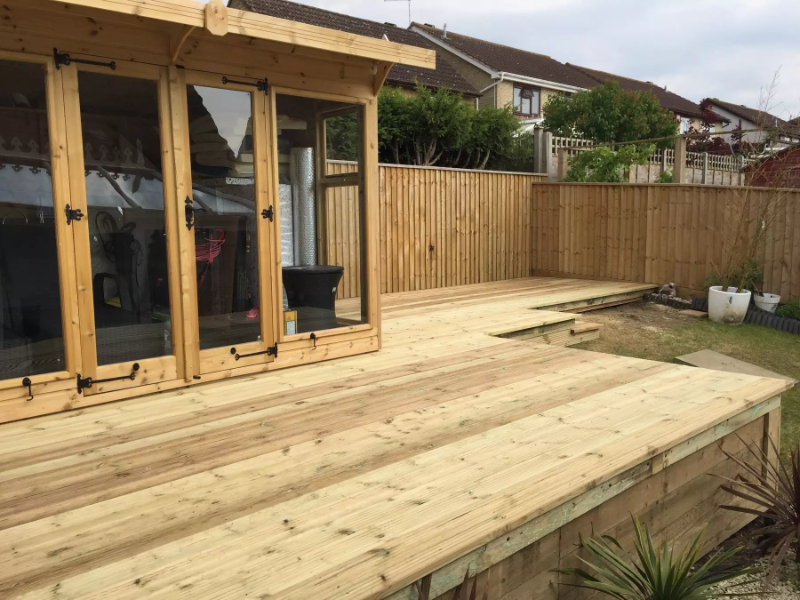
Durable
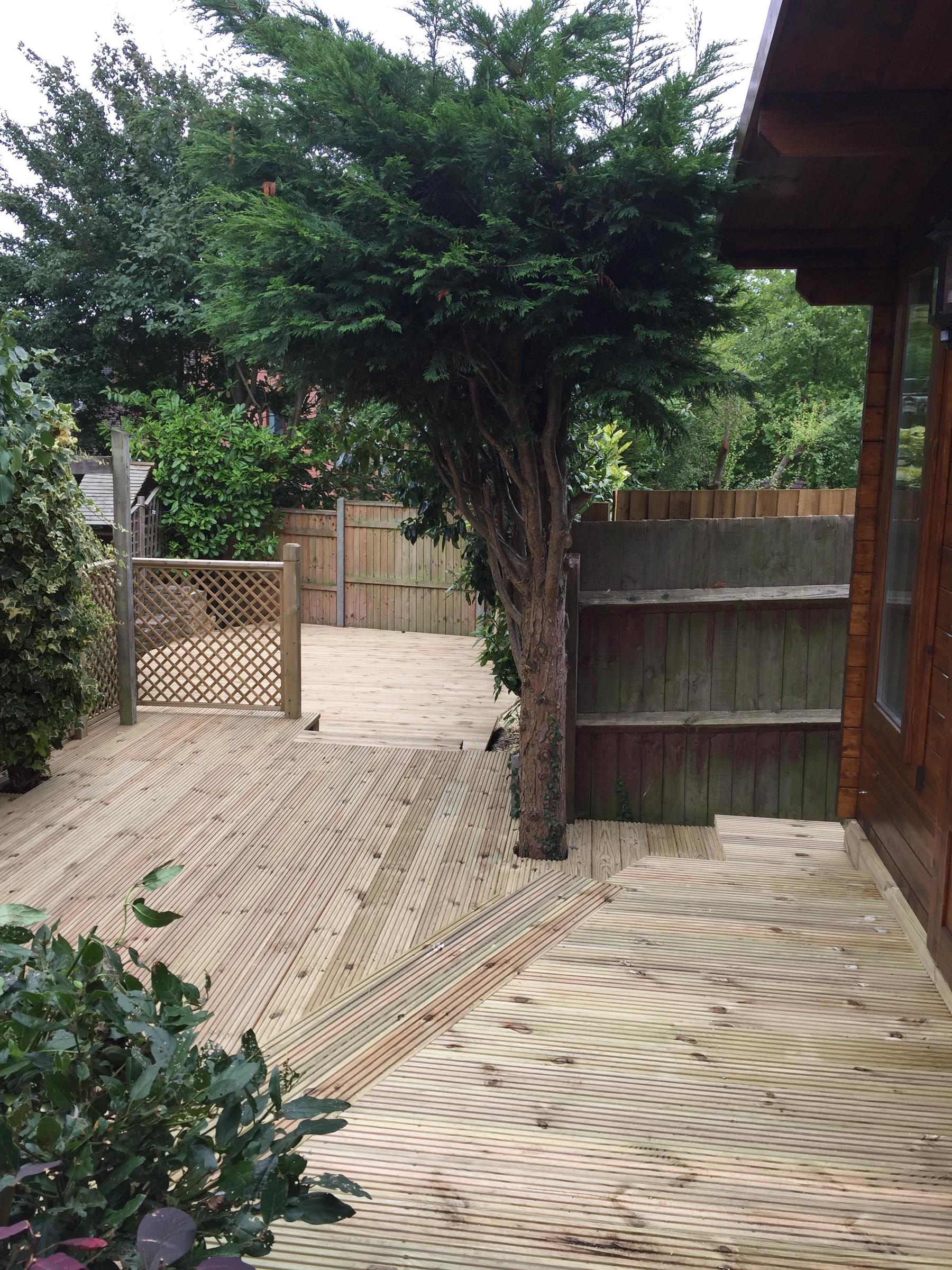
Aesthetically Pleasing
Extra living space without a full extension
Another major benefit is the extra living space it provides. A deck extends the useful part of your home into the garden, giving you more room without the high cost of a full building extension. For many homeowners, this makes decking a very cost effective and flexible choice.
This extra space can be used in many ways. It may become a quiet work area, a place for morning exercise, a dining spot, or simply somewhere to enjoy light and fresh air. It can also help smaller homes feel less cramped by providing another area to use during warmer seasons.
With a canopy, pergola or awning, garden decking can even support year round use. In the warmer months, it creates a bright open outdoor space. In colder or wetter weather, it still gives you a sheltered place to spend time outside. This long term versatility is one of the strongest advantages of adding decking.
Decking can increase property value
A high quality deck can improve property value and help increase property appeal. Estate agents and potential buyers often respond well to attractive external features that make a home more usable. A smart, well maintained deck can show that the property has been cared for and that the garden offers more than a basic lawn.
This does not mean every deck will add the same value. The result depends on the quality of the materials, the standard of the installation, and whether the finished design suits the property. A poor deck can harm the overall look, but a beautiful, safe and practical one can be a smart investment.
For this reason, choosing decking carefully matters. The right materials, good planning, and a strong finish all help the deck stay attractive for longer. When done well, investing in decking can bring both short term enjoyment and a clear long term benefit.
Timber decking offers warmth and natural beauty
For many people, timber decking remains the first choice because of its natural beauty. Real wood has warmth, character and texture that many synthetic products try to copy. Traditional timber can help a garden feel softer and more established, especially in rural or classic settings.
There are several types of timber decking to consider. Traditional wood decking made from softwoods is often the lower cost option. It can look great when properly treated, stained and cared for. Pressure treated softwoods are common because the treatment helps the boards resist rot, insect attack and early wear.
Hardwood decking is another popular choice. It is denser, stronger and often more durable than softwoods, making it a good option for people who want a premium finish. Many people choose traditional wood or hardwood because of the rich grain, deeper tones and natural feel underfoot.
That said, traditional timber decking does need regular care. Depending on the type of timber, it may need cleaning, staining, sealing and the occasional re-treatment to keep it in good condition. Without these treatments, some boards may warp, crack or fade over time.
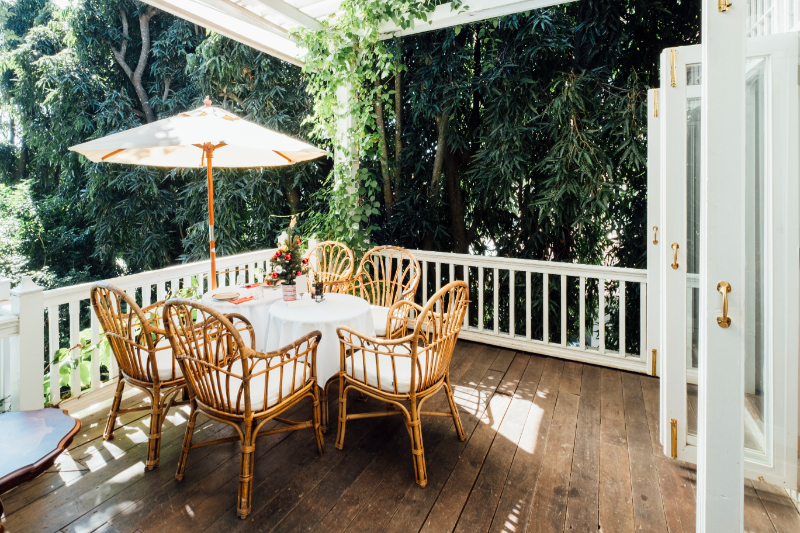
Family Dining
Additional Space
Composite decking is low maintenance and durable
In recent years, composite decking has grown in demand. It is made from a mix of wood fibres and plastics, often including recycled materials, which can make it a more eco friendly and sustainable option. Many composite boards are designed to mimic the look of real wood decking while offering better resistance to weather and wear.
One of the main benefits of composite decking is that it is low maintenance. Unlike some forms of traditional timber, it does not usually need painting, staining or frequent sealing. Simple cleaning is often enough. For busy homeowners, that ease of maintenance is a major advantage.
Another plus is durability. Good quality composite decking is built to be resistant to moisture, mould, algae, fading and general weathering. Many products are also slip resistant, splinter free and more colour stable over the years. This helps the deck stay safer and more attractive in both light and dark conditions, even after heavy rain.
Because many brands supply a wide range of colours, finishes and textures, composite products can match many kinds of garden and home. This makes them a very flexible choice for modern design.
Comparing decking materials
When choosing decking, it helps to compare the main decking materials. Each option has its own strengths, and the best choice depends on your budget, specific needs and the style you want to achieve.
Softwoods are often the lowest cost option and are easy to cut, shape and install. They are widely available, and many suppliers supply certified and fsc options. However, they usually need more maintenance, and if they are not properly treated, they may suffer from rot, mould, staining, insect damage and warping.
Hardwood is strong, attractive and often more long lasting. It offers excellent natural aesthetics and can enhance the visual appeal of a garden. The downside is the higher cost, and some species may still need regular oiling and care to remain in good condition.
Composite decking is often chosen for its low maintenance, durable finish and eco friendly qualities. Many products are made using recycled content and are designed for longevity. While the initial cost can be higher than some timber options, the long run savings on upkeep can make it a sensible investment.
PVC is another low maintenance option. It contains no natural timber, so it is highly resistant to water, moisture, mould and insect damage. It can be an ideal choice in very wet conditions or around pools, although some people still prefer the appearance of real wood.
Low maintenance saves time and money
One of the clearest long term benefits of modern decking is reduced upkeep. A deck that is easy to clean and care for gives you more time to enjoy your garden and less worry about constant repairs.
Timber decking may need annual checks, cleaning, staining and treatment. That is not always a bad thing if you love natural wood, but it does mean more effort over the years. By comparison, composite decking and PVC usually offer a more low maintenance experience, which can save both money and work in the long term.
This matters for busy households. Instead of spending every season sanding and treating boards, you can simply wash the surface, move your garden furniture back into place, and enjoy the space. That is a real long term benefit for many families.
Safety and comfort for everyday use
A good deck should not only look attractive. It should also feel safe and comfortable. Modern decking boards are often designed with grip in mind, and some products have a slip resistant surface that helps reduce the risk of falls in damp weather. This is especially useful if children, older relatives or pets use the area regularly.
Good planning also improves safety. The right installation helps ensure the deck is level, strong and stable. Steps should be clear, edges should be well finished, and any raised areas may need rails depending on the height. Proper groundwork and good support under the boards are essential.
Comfort matters too. A deck can feel warmer and softer than some forms of paving or stone patios, making it a pleasant place to walk barefoot in summer. Many people find decking more inviting for lounging, dining and day to day outdoor living.
Decking works well in awkward gardens
Not every garden is large, square or perfectly level. This is where decking works particularly well. It can be shaped to fit tight corners, curved edges and sloped plots, helping you make better use of difficult areas.
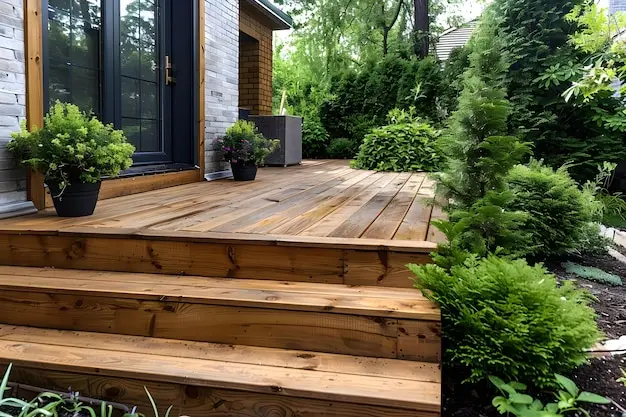
For homeowners dealing with a sloped or uneven site, a deck can be built above the lower ground to create a flat and usable area. This is often much easier than trying to rework the entire landscape. It also means you can bring structure and purpose to a garden that might otherwise feel hard to manage.
Decking can also connect separate features through steps and pathways, helping people move around the garden more easily. In this way, it can serve both decorative and practical purposes.
Design flexibility and visual appeal
One reason decking remains so popular is its flexibility in design. There are many options available, from wide boards and narrow boards to clean modern lines or more classic layouts. You can choose from a broad range of styles, colours and finishes to suit your home and garden.
A deck can also be built to any useful shape. You might want a square dining deck, a curved seating area, or a multi level layout that follows the natural line of the garden. These choices help you create a deck that feels unique and well matched to the rest of the property.
It is also easy to accessorise a deck. Lighting, planters, storage benches and screens can all be added to improve the look and usability of the space. This allows you to create a beautiful and highly personal outdoor living space that remains practical every day.
Eco-friendly and sustainable choices
For people concerned about the environmental impact of home improvement, there are now more eco friendly choices on the market. Many composite products use recycled materials, and some timber suppliers offer responsibly sourced or FSC certified timber.
This means you can enjoy the benefits of decking while still keeping sustainability in mind. Responsibly sourced traditional timber and sustainable composite products both offer ways to reduce harm to the environment. Some products also last longer, which reduces how often parts need to be replaced.
If you are especially concerned about waste, ask your supplier what materials are used, how products are stored, and whether they come from certified sources. That extra attention can help you choose a deck that suits both your garden and your values.
Installation, planning and professional support
Good installation is essential if you want your deck to last. Even the best decking boards will struggle if the base, frame and supports are poor. The structure must be built to handle weight, drainage and regular use, and the boards must be fixed correctly to reduce movement and wear.
Some people install small decks themselves, especially on a flat site. For larger or more complex jobs, professional installation is usually the better route. A skilled team can help with planning, measuring levels, selecting the best materials, and making sure the finished deck is safe and strong.
This is also useful if your project includes lighting, multiple levels, steps or storage. In some cases, especially with raised decks, you may need to check local rules on planning permission. Getting expert advice at the start can save time, avoid mistakes and ensure the whole build meets the required standard.
Cost and long term value
The cost of decking varies depending on the size, the materials, the finish and the complexity of the installation. Softwood may be the most affordable option at the start, while hardwood, composite and PVC often cost more. However, the cheapest route is not always the best value over the years.
A deck with strong quality boards, reliable fixings and proper installation may cost more at first, but it often lasts longer, needs fewer repairs and gives better value over its life. This is why many people now compare the full life cycle cost, not just the starting price.
Seen this way, decking can be a sensible investment. It improves daily life, adds usable space, and may help increase property appeal. For many households, that combination makes it one of the most practical upgrades for the home.
How to choose the right decking for your needs
When it comes to choosing decking, start by thinking about how you want to use the space. Do you want a quiet place to rest, a large dining deck for guests, or a family area for children and pets? Your answer will help you choose the best materials, layout and finish.
You should also think about:
• Your budget and long term maintenance
• The size and shape of the garden
• Whether the site is flat, sloped or awkward
• How much sun and rain the area gets
• The style of your home
• Whether you prefer real timber or composite
• The level of safety and grip you need
By keeping these points in mind, you can choose a deck that will fit your specific goals and continue providing value for many years.
Benefits Of Garden Decking
There are many clear benefits to adding decking to a garden. It can transform an underused plot into a practical and beautiful outdoor space, support better outdoor living, and give your family a place to spend more time together. It can also improve visual appeal, add value, and offer a long term return that makes sense for many homeowners.
Whether you prefer timber decking, traditional timber, hardwood or composite decking, the right choice comes down to your budget, style and how much maintenance you are happy to do. With careful planning, the right materials, and strong installation, garden decking can be one of the easiest ways to create a more useful and attractive home environment.
Yes, in many cases garden decking is a good investment. It can improve the way you use your garden, add usable space, and help support better property appeal for future buyers.
Both have strengths. Timber decking offers a natural finish and traditional charm, while composite decking is often more low maintenance, more resistant to weather and easier to care for in the long term.
That depends on the material. Traditional timber decking usually needs more regular care, while composite decking and PVC are often easier to maintain with simple cleaning.
Yes. A small deck can still create a practical outdoor space, especially if it is designed well and used with compact furniture and planting.
Yes. It is always worth taking the time to understand the options, compare materials, and speak to local services before you start. Many suppliers and fitting services are happy to help you find the ideal solution for your site.
If you require garden decking in Milton Keynes, Buckinghamshire contact us today. Our garden design experts can supply and install beautiful garden decking for you and your family to enjoy for years to come.