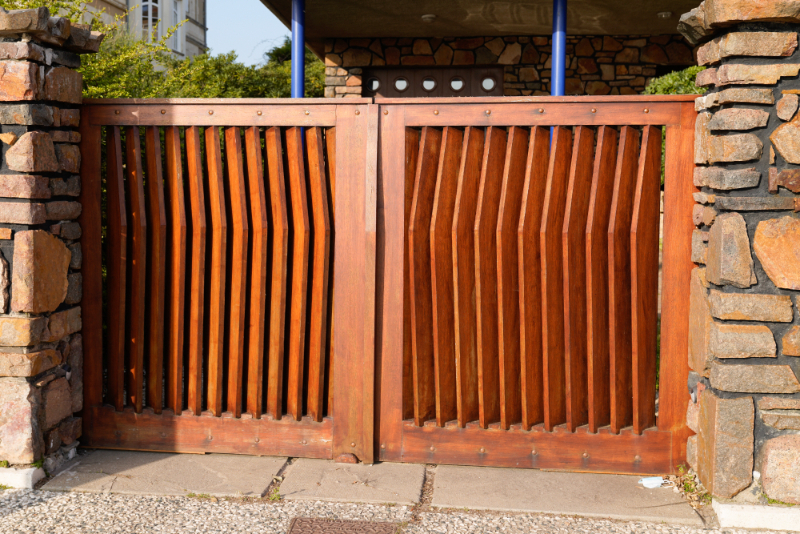
Have you considered what is the best timber suitable for driveway gates? The right timber can make a big difference to the look, strength, security and life of your gate. A driveway gate is exposed to rain, wind, sun, frost and daily use, so it must be made from a material that can handle changing weather conditions over many years.
In this article, we look at the most common types of wood for gates and fences, including softwood, hardwood, oak, cedar, redwood, pine and Accoya. We also explain the advantages of each type of timber, how to protect a wooden gate from moisture, and what to think about when choosing the right driveway gate for your property.
What Timber should I choose for Gates?
The best wood for driveway gates depends on your budget, the style of your property, the level of maintenance you are happy to carry out, and the finish you want to achieve. Some customers want a natural timber look with clear stain, while others prefer painted wooden gates to match existing fencing, garden gates, doors or exterior joinery.
Softwood gates are usually a more cost effective choice. They are often made from pine, redwood, spruce or fir, and they can offer good strength when properly treated. However, softwoods are more prone to warping, rot and decay if they are not protected from moisture. This means treatment, staining and regular maintenance are very important. Hardwood gates cost more, but they offer better durability, strength and longevity.
Hardwood is generally more stable, more resistant to knocks, and less susceptible to insects and decay. Common hardwoods used for driveway gates include European oak, iroko, sapele and mahogany. These timbers are often chosen for their beauty, rich colour and attractive grain patterns.
A wooden gate should not only look good. It also needs to work well over time. A gate that twists, drops or starts to warp can become hard to open and close. Choosing the right timber at the start helps reduce this risk.
Softwood Gates And Hardwood Gates
Softwood and hardwood are the two main choices for wooden gates. The difference is not always about how hard the wood feels. Softwood usually comes from evergreen trees, while hardwood comes from slower-growing broadleaf trees.
Softwood gates are popular because they are easier to find, easier to work with, and usually cheaper than hardwood gates. Pine, spruce and redwood are common choices for a garden gate, wooden garden fencing, and some driveway gates. When softwood is pressure treated, stained and maintained well, it can provide many years of use.
Hardwood gates are often chosen when a stronger and more durable gate is required. Oak gates, iroko gates and other hardwood gates have a higher level of natural strength. They are a great choice for a property where the gate is a key feature, where security matters, or where the customer wants a premium finish.
Hardwoods also tend to have a more attractive look. Their grain patterns, colour and natural beauty can enhance the entrance to a home. A hardwood driveway gate can make a strong first impression and may suit both modern and traditional properties.
European Oak For Driveway Gates
European oak is one of the most popular timbers for high-quality driveway gates. It is strong, durable and naturally beautiful. Oak has a classic look that works well with country homes, period properties and modern houses that need a natural finish.
European oak is often used for joinery grade gates because it offers excellent strength and a premium appearance. It has clear grain patterns and a warm colour that can be enhanced with oil or stain. Over time, untreated oak can weather to a silver-grey shade, which some customers like. Others prefer to protect and stain oak to keep its warmer tone.
Oak gates are also valued because oak is naturally resistant to insects and fungal decay. This does not mean it needs no care at all. Like all timber, oak is still subject to moisture movement. It can expand, shrink or develop small surface cracks as weather conditions change. Good design, correct installation and regular maintenance help protect oak and improve its longevity.
European oak is not the cheapest choice, but it offers excellent long-term value. If you want a strong, long lasting driveway gate with real aesthetic appeal, oak is one of the best options available.
Iroko, Mahogany And Other Hardwoods
Iroko is another strong hardwood used for driveway gates. It is stable, durable and naturally resistant to rot. It is often chosen as an alternative to oak because it offers good durability and a rich colour. Iroko can range from golden brown to darker brown as it ages, and it can look very attractive when stained or oiled.
Mahogany is also known for its strength, durability and attractive reddish brown colour. It has fine grain patterns and a smooth finish, which makes it suitable for high-quality joinery. Mahogany can provide excellent beauty and long life, but it may cost more and is not always as easy to source.
When choosing hardwoods, it is important to ensure the timber is responsibly sourced. Good suppliers should be able to provide information about where the wood has come from. This helps customers make a better choice and supports better use of natural materials.
Hardwood gates are ideal when you want a strong, stable and long lasting gate with a premium look. They can cost more at the start, but they often need less repair work over time when compared with cheaper, poorly treated timber.
Pine, Redwood And Other Softwoods
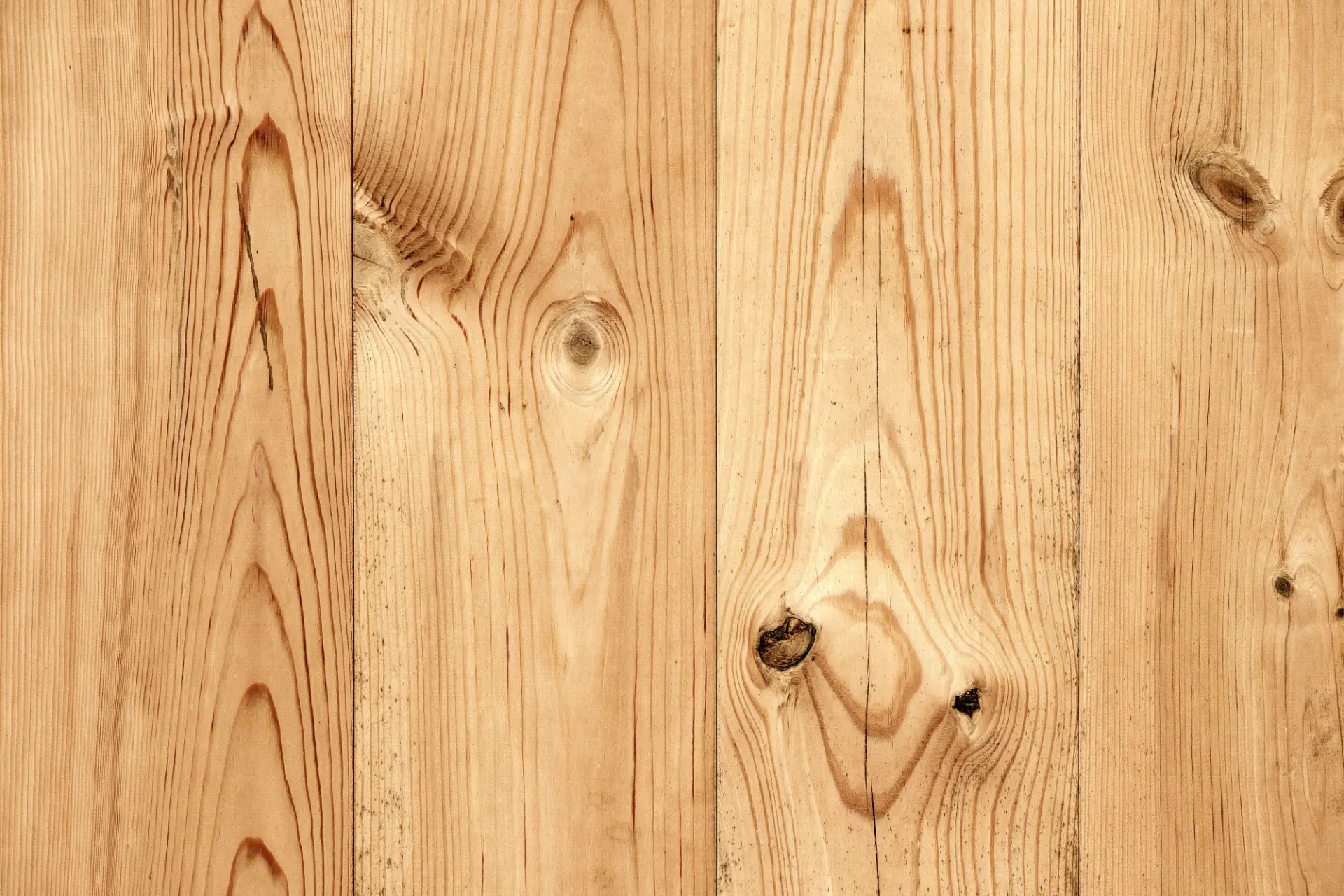
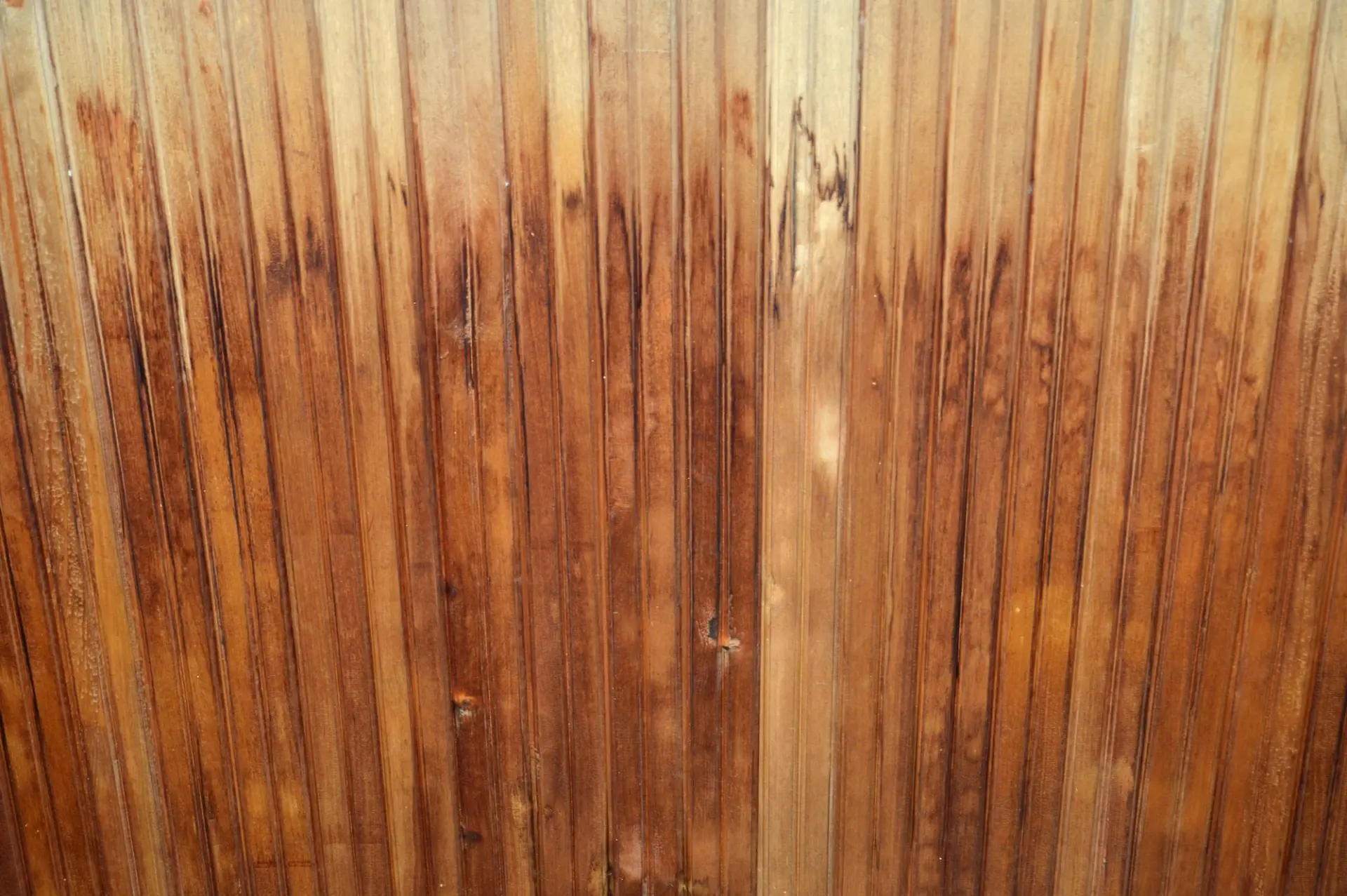
Pine is one of the most common softwoods used for gates and fencing. It is widely available, easy to work with and usually less expensive than hardwood. Pine can be painted or stained in a wide range of colours, making it a flexible choice for many homes.
However, pine is more susceptible to rot, insects and warping if it is not pressure treated. For driveway gates, untreated pine is not usually ideal because it will be exposed to rain and moisture. Pressure treated pine is a better choice because the treatment helps protect the timber against decay and insect attack.
Redwood is another popular softwood for wooden gates. It has a natural reddish brown tone and can offer better durability than some lower-cost softwoods. Redwood is often used for softwood gates because it is cost effective while still offering a pleasing look. It can be stained to enhance its colour or painted to match the rest of the property.
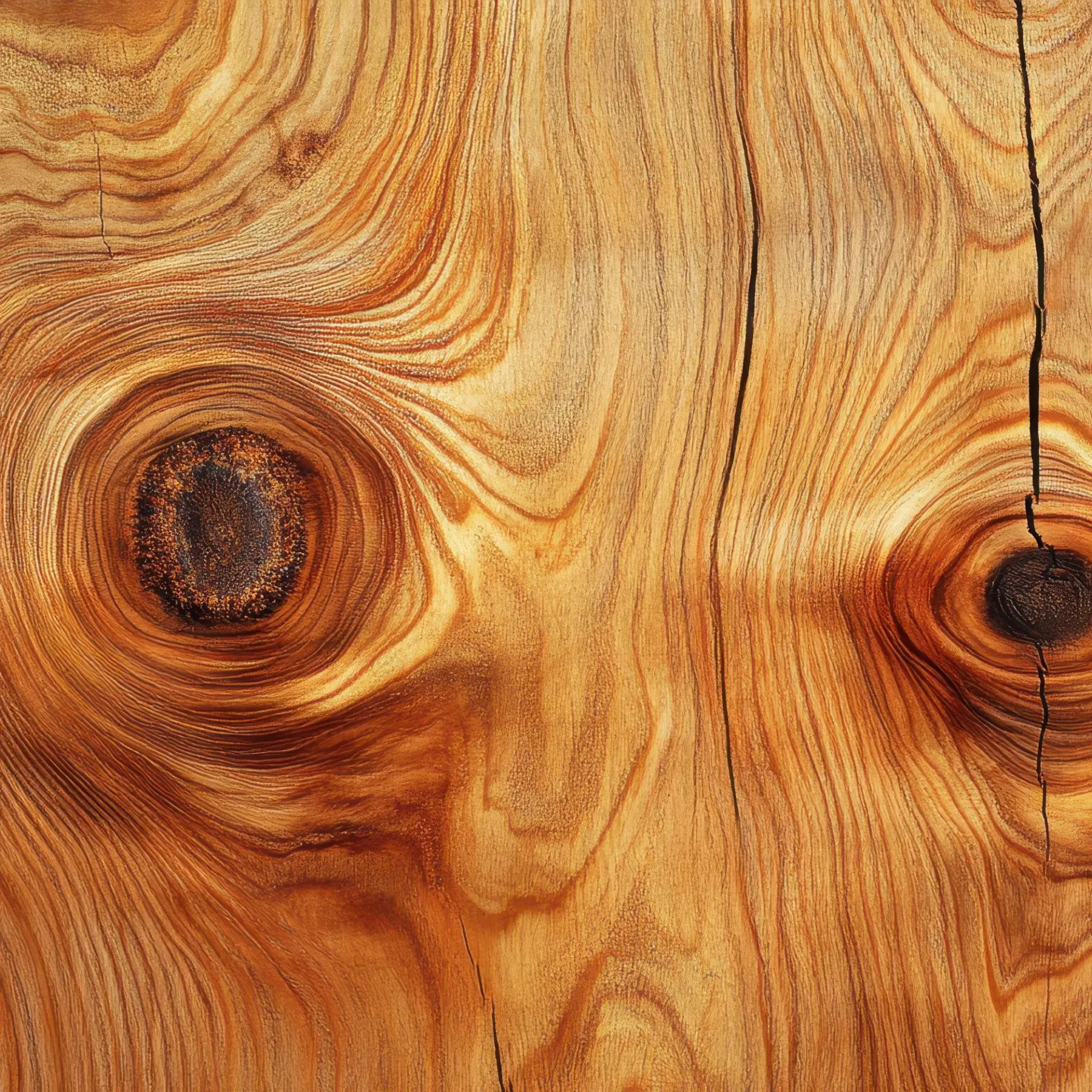
Spruce and fir are also used for gates and fences. These timbers can work well for garden gates and lighter fencing, but they may not be the best wood for heavy driveway gates unless they are well treated and properly maintained. They can be more prone to warping over time, especially in wet areas or where the gate is not protected from standing water.
Cedar For Wooden Gates
Cedar, especially Western red cedar, is a well-known timber for outdoor use. It is lightweight, stable and naturally resistant to moisture, insects and decay. This makes cedar a great choice for garden gates, fencing and some driveway gates.
Cedar has natural oils that help protect it from rot. It also has a pleasant colour and a clean, attractive look. Over time, cedar can fade to a silver-grey shade if it is left untreated. Some customers like this natural weathered finish, while others prefer to use a stain to keep the original colour.
Cedar is not always the best choice if you want to paint your gate, as it does not always hold paint as well as other timbers. It is often better suited to clear or coloured stains that allow the grain to show. If you want a natural wooden gate with good weather resistance and low weight, cedar may be ideal.
Fir
Pine
Accoya For Long Lasting Gates
Accoya is a modified timber made from radiata pine. It is treated in a way that makes it very durable, stable and resistant to moisture. Although it starts as a softwood, Accoya can perform better than many traditional hardwoods.
This makes Accoya one of the best choices for driveway gates where durability and stability are important. It is much less likely to warp, shrink or swell compared with many other timbers. It is also highly resistant to rot and decay, which helps provide excellent longevity.
Accoya can be painted or stained, and it is often used for external joinery, windows, doors and gates. It is not a low-cost timber, so it may not suit every budget. However, if you want a stable and long lasting gate that can cope well with UK weather conditions, Accoya is a strong option to consider.
Will Your Gate Outlast The Weather?
The UK has changing weather conditions throughout the year. Rain, frost, wind, sunlight and moisture can all affect timber. Wood naturally expands when it absorbs water and shrinks as it dries. This movement can cause warping, twisting or splitting if the timber is poor quality or if the gate has not been designed well.
A driveway gate is often more exposed than a garden gate. It may face strong wind, road spray, standing water and constant changes in temperature. This is why the type of wood matters. Timber that is more stable and resistant to moisture will usually last longer.
Good gate design also plays an important part. Horizontal rails should allow water to run off rather than sit on the surface. If water collects on flat timber, it can increase the risk of fungal rot and decay. Angled edges, good drainage and correct installation all help protect the gate.
Treatment is also important. A stain, oil or paint system helps protect the surface from moisture and sun damage. The right treatment can enhance the colour of the timber and reduce the risk of cracking, fading and water damage.
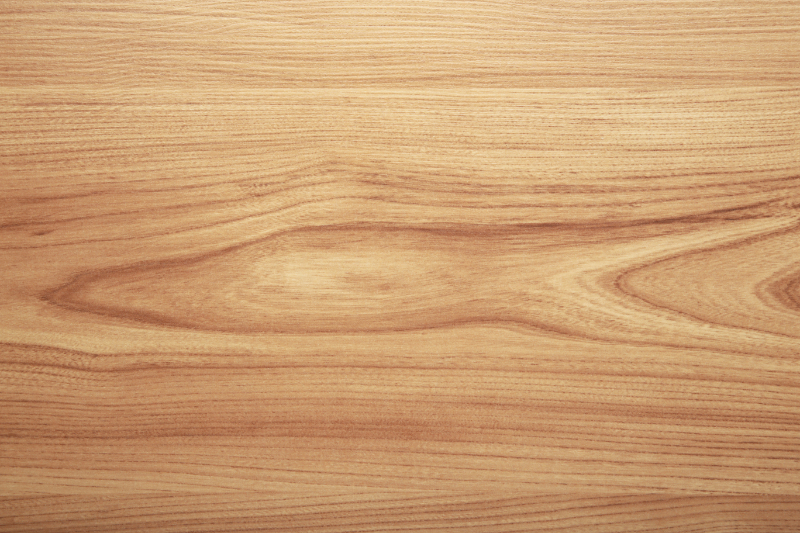
Cypress
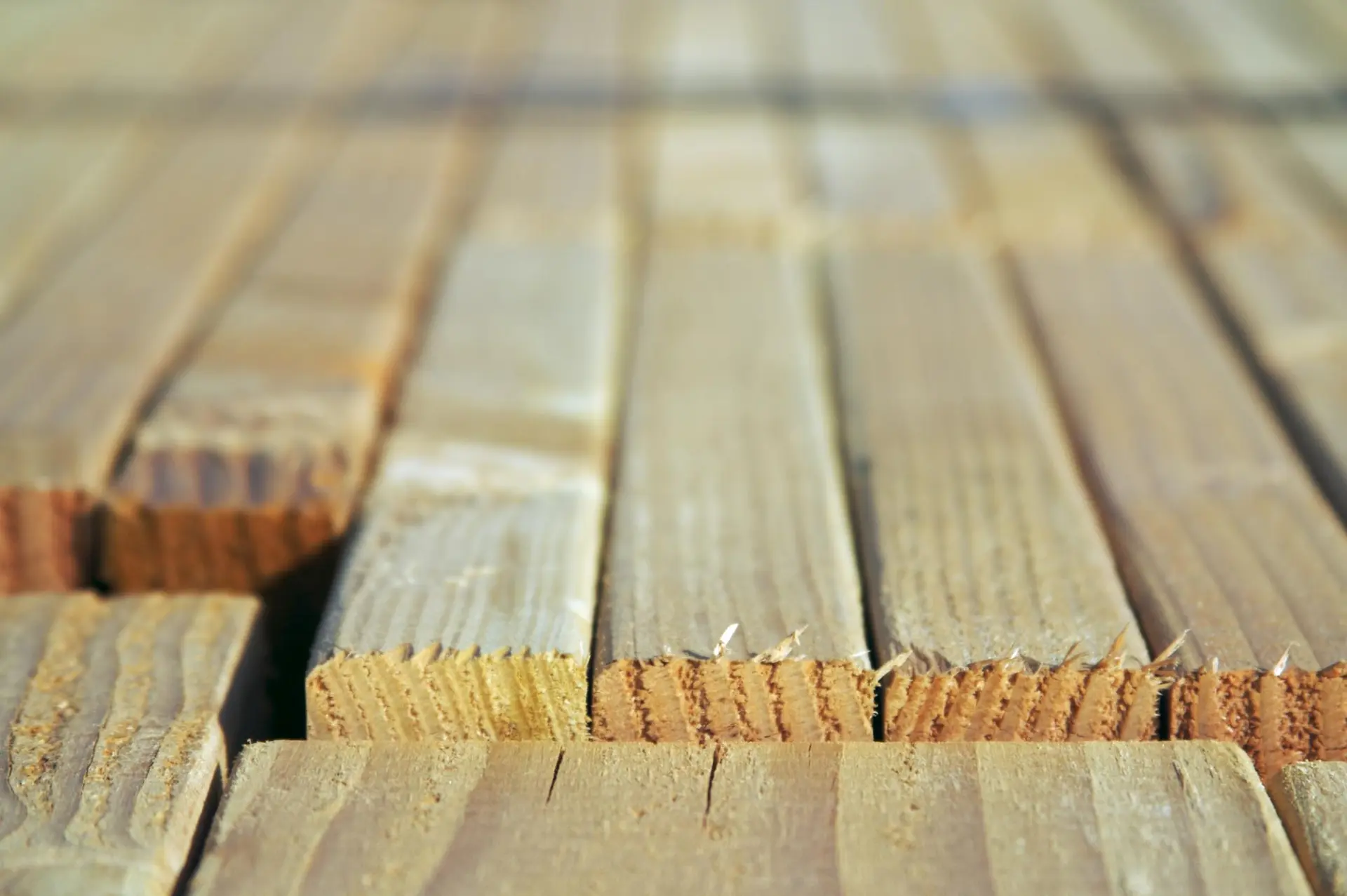
Cedar
Pressure Treated Timber
Pressure treated timber is wood that has been treated with a preservative to help protect it from rot, decay and insects. This is common with softwoods such as pine and redwood. The treatment helps the preservative reach deeper into the timber, which makes it more resistant to outdoor damage.
Pressure treated softwood can be a cost effective choice for gates, especially when the customer has a limited budget. It can provide good durability when maintained correctly. However, pressure treated timber still needs care. It should be stained, painted or sealed as recommended, and any cut ends should be treated before installation.
A pressure treated wooden gate can work well for many properties, but it may not offer the same long-term performance as European oak, iroko or Accoya. The right choice depends on the look you want, the level of maintenance you can manage, and how long you want the gate to last.
Treatment, Staining And Maintenance
No timber gate should be fitted and then forgotten. Even durable hardwood gates need some care if you want them to keep their strength and beauty. Regular maintenance helps protect the timber from moisture, insects, rot and weather damage.
A stain can protect the wood while still allowing the natural grain patterns to show. Clear stain can help keep a natural look, while coloured stain can enhance the tone of oak, cedar, redwood or mahogany. Paint can offer strong protection too, but it may hide the natural character of the timber.
The first treatment should be applied before or soon after installation, depending on the timber and finish. It is important to cover all sides of the gate, including the top, bottom and edges. These areas are often most at risk because they can absorb moisture.
Customers should check their wooden gates at least once or twice a year. Look for cracks, peeling stain, loose fixings, signs of rot, or areas where water may be sitting. Early care can prevent small problems from becoming expensive repairs.
Matching Your Gate To Your Property
A driveway gate can enhance the whole look of a property. The timber, colour, finish and design should match the home, fencing and garden style. A large oak gate may look ideal at a country property, while a painted softwood gate may better suit a smaller home or a simple garden entrance.
Wooden gates offer a warm and natural look that metal gates do not always provide. However, metal fixings, hinges and frames can still play an important role. Strong metal hardware helps support the weight of the gate and improves security. It is important to choose fittings that are suitable for outdoor use and strong enough for the size of the gate.
A wooden driveway gate can also be designed to offer privacy and security. Close-boarded gates can block the view into your property, while open designs can create a lighter look. The best choice depends on how much privacy you need and what kind of entrance you want to create.
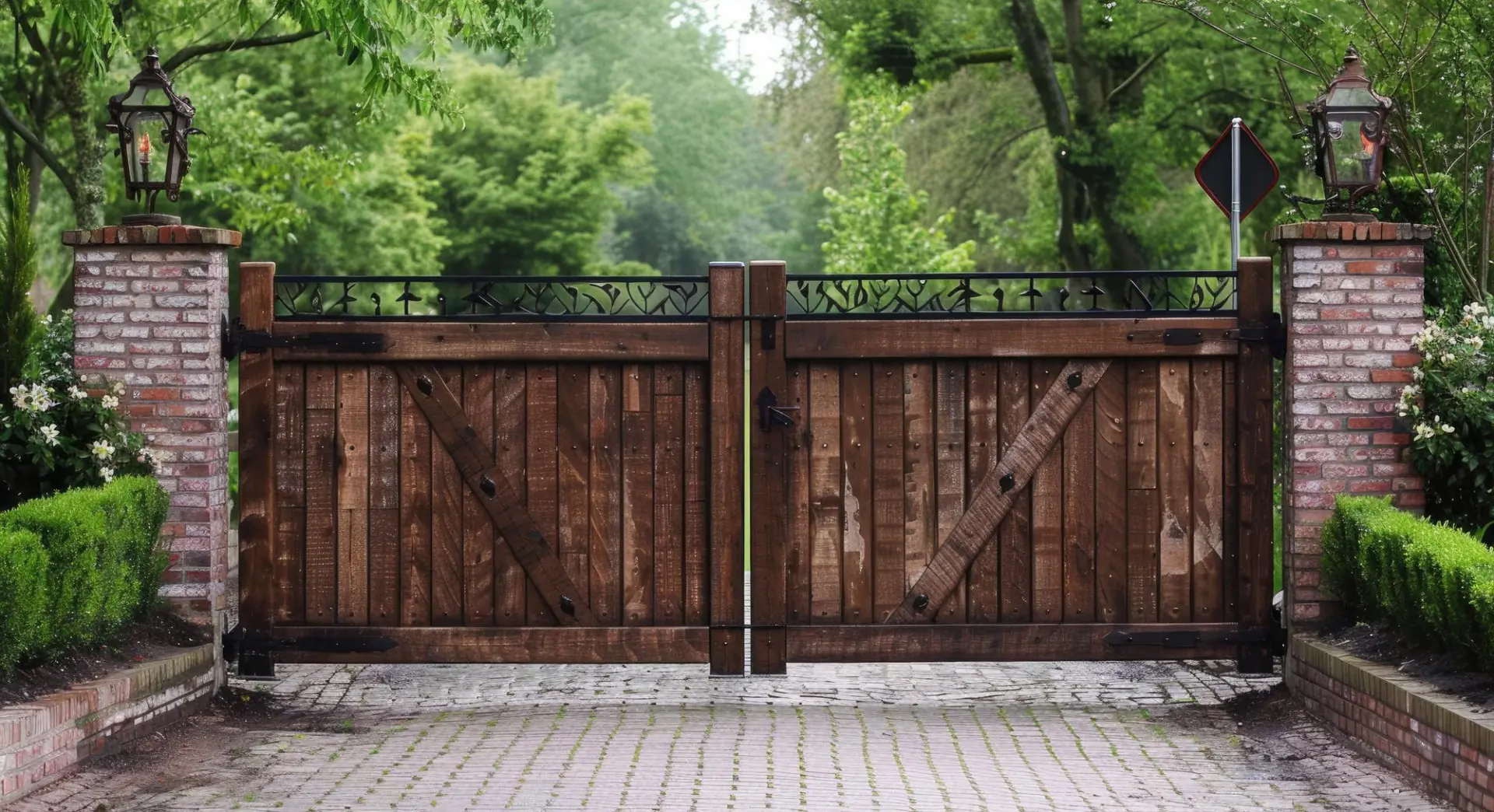
Redwood
Cost And Budget
Cost is often an important part of choosing timber for driveway gates. Softwood gates are usually cheaper at the start, making them a practical choice for customers who want a lower-cost option. Pine, spruce and redwood can all offer good value when they are pressure treated and maintained.
Hardwood gates cost more because the timber grows more slowly and is usually denser and more durable. European oak, iroko and mahogany can offer better strength, beauty and long-term performance. This makes them a good choice for customers who want a premium gate and are happy to invest more at the start.
Accoya can also sit at the higher end of the price range, but it offers excellent stability and durability. For some customers, the extra cost is worth it because it reduces the risk of warping and helps the gate last longer.
The cheapest timber is not always the best value. A low-cost gate that needs regular repair or early replacement may cost more over time. It is better to choose a timber that matches your budget while still offering the durability and appearance you need.
Installation Matters
Even the best wood can fail if the gate is not installed correctly. A driveway gate needs strong posts, secure hinges and enough clearance to move without dragging on the ground. The installation should allow for natural timber movement, especially in changing weather conditions.
Posts must be suitable for the weight and size of the gate. Heavy hardwood gates need strong support. If the posts are weak or poorly fitted, the gate may drop, twist or become hard to use. Good installation also helps protect the timber from standing water and ground moisture.
The right fixings matter too. Some timbers, such as oak and cedar, can react with certain metal fixings. Using suitable screws, bolts and hinges helps prevent staining and corrosion. This protects both the timber and the hardware.
Choosing The Best Wood For Your Gate
Choosing the best wood for a driveway gate means balancing appearance, cost, durability and maintenance. If you want a lower-cost option, pressure treated softwood gates made from pine or redwood can be a practical choice. If you want a stronger and more long lasting gate with a premium finish, hardwood gates made from European oak or iroko may be better.
Cedar is ideal if you want a lighter timber with natural resistance to insects and decay. Redwood offers a warm reddish brown look and can be a cost effective option. Accoya is an excellent choice where stability, durability and low movement are key.
The right timber should also match the style of your property. A gate should look good, work well and protect your entrance for many years. Before choosing, it is worth getting advice from a trusted gate supplier or installer. They can help you find the best material for your needs and explain the maintenance required.
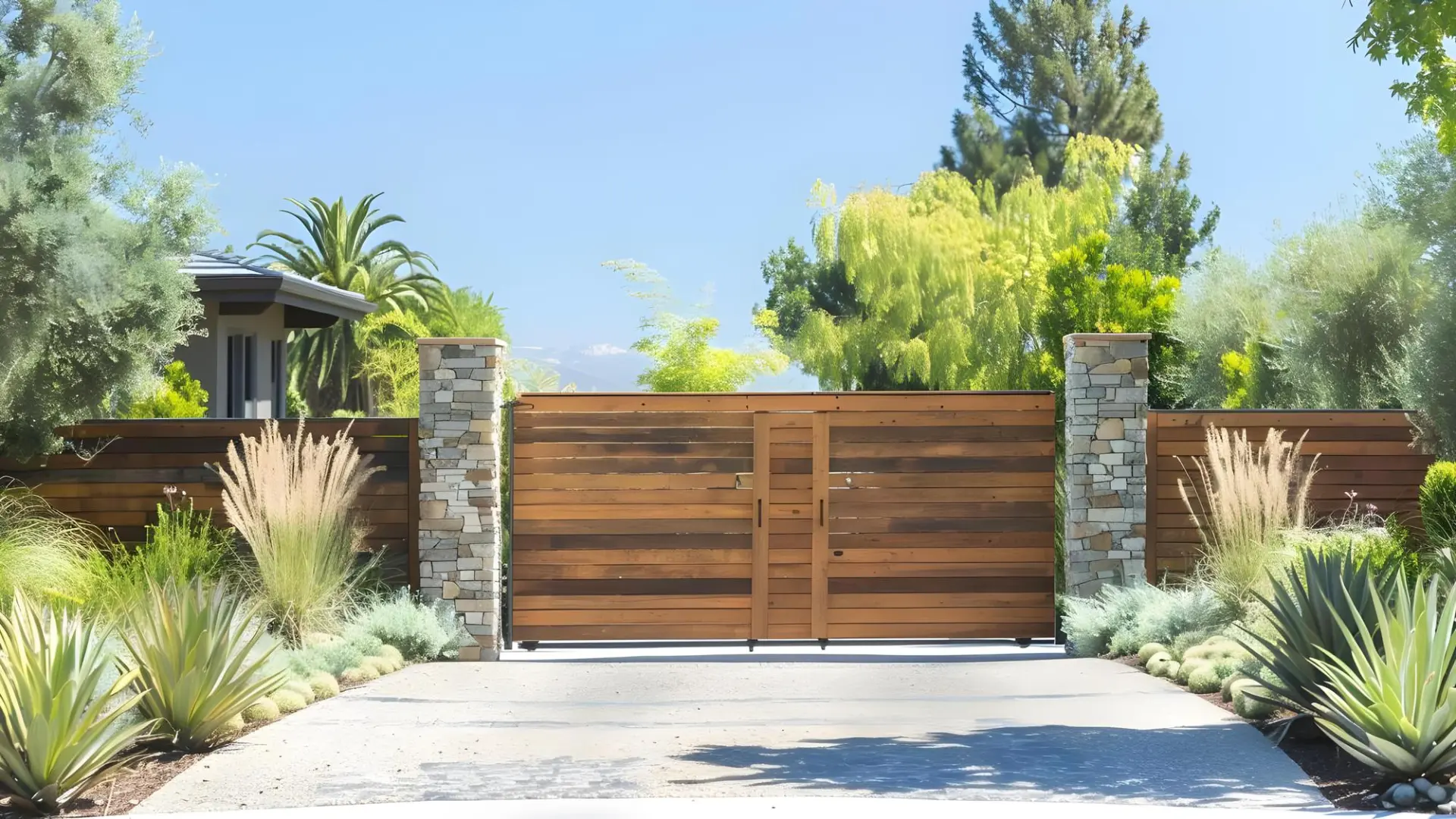
Redwood
Professional driveway gates installation
If you need more information about wooden gates, hardwood gates, softwood gates, garden gates or driveway gates, MD Fencing & Decking can offer advice based on your property, budget and design needs. We can help you choose a timber that suits your home and provides the right balance of strength, security, beauty and longevity.
With your consent, we can share information about your project with the right members of our team so they can provide clear guidance on design, timber choice, treatment and installation. Whether you want a wooden garden gate, a large driveway gate, oak gates, or a cost effective softwood option, we can help you find a suitable match. You can call us to discuss your project and learn more about the range of gates we offer.
Are you looking for wooden driveway gates near you? If you require garden gates in Milton Keynes, Buckinghamshire contact us today. Our garden design experts can supply and install beautiful wooden garden gates for you and your family to enjoy for years to come.