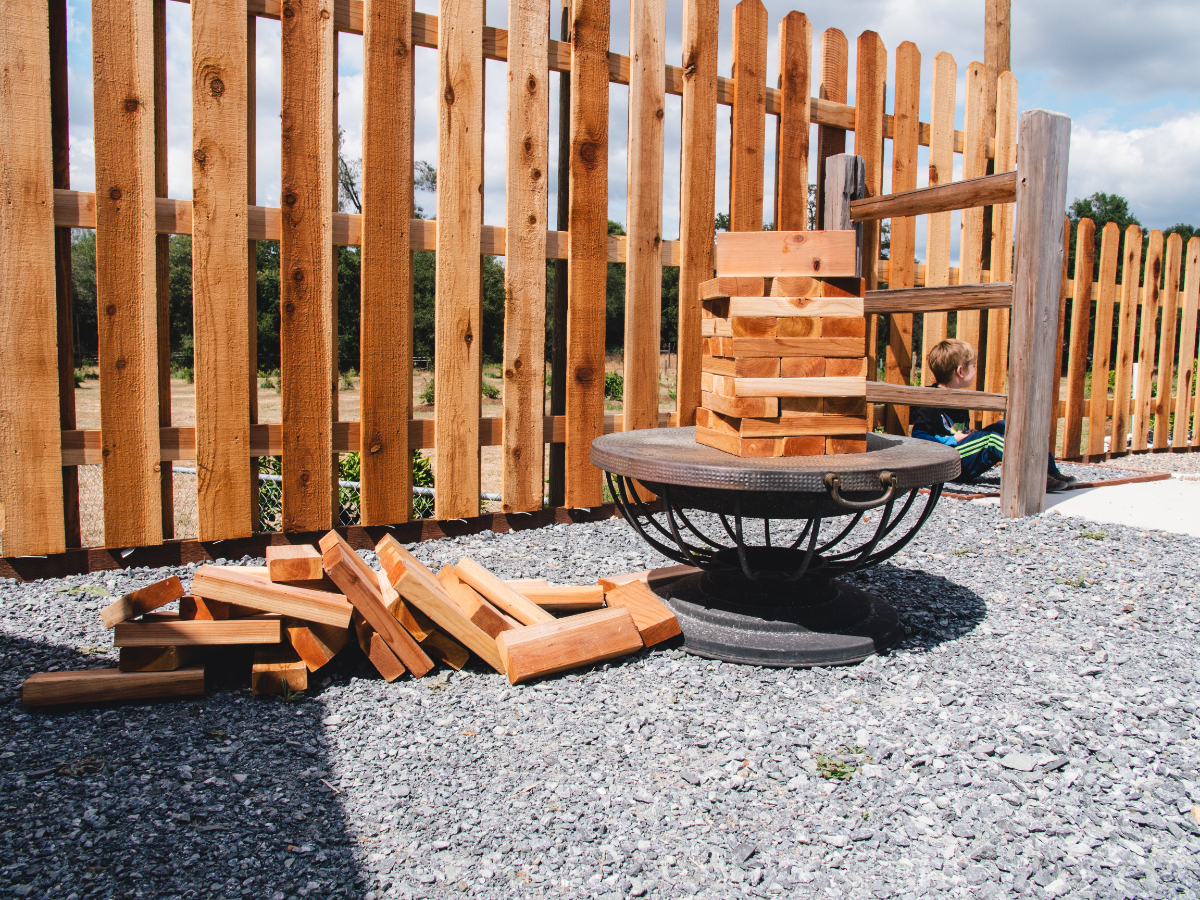
What kind of fencing lasts the longest? This is a common question for homeowners who want a secure boundary, good curb appeal and long term value from a new boundary. The single answer is that there is no single answer for every property, because the best fence depends on the type of fence, the fence materials, the installation method, the local conditions and how much maintenance you are willing to do. However, some fence materials clearly last longer than others, especially when they are installed well and protected from the UK climate.
In most cases, the fence lasts the longest when it is made from durable materials, fitted with strong fence posts and checked often for early signs of damage. Composite fencing, vinyl fences, steel fences, aluminium fences and well protected metal fences are often among the longest lasting options. A high quality wooden fence can also last for many years, but wood usually needs more maintenance than composite, vinyl or metal.
When asking what type of fence lasts the longest, it is important to look beyond the panels alone. A fence will last only as long as its weakest parts. Fence panels, fence posts, fixings, gates, gravel boards and the base of the fence all play a part in fence longevity. Poor fence installation can lead to leaning, rot, rust, movement and structural failure, even if the materials are good.
What Type Of Fence Lasts The Longest?
The type of fence lasts the longest when it can handle moisture, wind, sunlight, insects and soil movement without losing its structural integrity. Composite fencing is one of the best fence choices for many homes because composite materials combine wood fibres with high density plastics. This gives composite fencing the look of wood grain without the same risk of rot, warp, splinter or insect damage.
Composite fencing is often made with recycled materials, including recycled plastic, which makes it a strong and appealing choice for many homeowners. Composite panels are designed to resist rot, moisture and fungal decay. A composite fence can also be a low maintenance choice, as it usually needs cleaning rather than repainting, staining or sealing every few years.
Vinyl fences are another longer lasting option. Vinyl is also known as PVC, and vinyl fences can last for decades when the fence installation is carried out correctly. Vinyl fences do not rot like timber, and they are resistant to many types of water damage. They can be cleaned with soapy water and a sponge, which helps homeowners maintain the appearance of the fence without a lot of upkeep.
Metal fences can also last a long time, especially when they are coated or treated to prevent rust and corrosion. Wrought iron has a traditional and decorative appearance, while steel and aluminium can provide strong security. Galvanised steel has a zinc coating that helps protect the metal from rust. Aluminium fences are lightweight and rust resistant, which makes them useful in areas where damp weather may be a problem.
Wood fencing and timber fencing remain a popular choice because they look natural and suit many garden designs. A cedar fence, redwood fence or pressure treated wood fence can give a warm appearance and strong privacy. However, wood is prone to moisture damage, insect damage and rot if it is not protected. Treated wood and pressure treated timber usually last longer than untreated timber, but they still need regular maintenance.
Comparing Common Fence Materials
When choosing fence materials, it helps to understand the benefits and drawbacks of each type of fence.
The fence lasts longer when the materials match the purpose of the boundary, the soil type and the level of exposure to wind and rain.
composite Fencing
Composite fencing is one of the most durable choices for a garden fence because it is designed to handle the uk climate with minimal maintenance. Composite fencing can last for many years because it is less prone to rot, cracking, peeling and insect damage than timber panels. It also keeps its colour well compared with some types of wood, although long exposure to uv rays can still affect the surface over time.
vinyl fencing
Vinyl fences are also a good choice for long lasting fences. Vinyl does not need paint, sealant or pressure treatment, and it will not suffer from rot in the same way as timber. A vinyl fence is often easier to clean than wood fencing, and it can be a cost effective option in the long run if you want less maintenance.
metal Fencing
Metal fences are a strong option for security, gates and front boundaries. Steel, wrought iron and aluminium all offer strength, but they need the right coating to prevent rust and corrosion. A metal fence can last for decades when the coating is maintained and the posts are secure. Metal fences are not always the best option for privacy, unless they are combined with solid panels or other screening.
wood Fencing
Wood fencing and timber fencing are versatile and can suit many styles. Cedar, redwood, oak, pine and spruce are all used in fencing, although they vary in durability. A cedar fence is naturally more resistant to decay than many cheaper types of wood. Pressure treated wood has preservatives forced into the timber under pressure, which helps protect it from insects, rot and fungal decay.
concrete Fencing
Concrete is often used for fence posts and gravel boards. Concrete posts and concrete fence posts can significantly extend the life of a fence because they do not rot at ground level like timber posts. Concrete gravel boards also help protect wooden panels and composite panels from constant moisture near the ground.

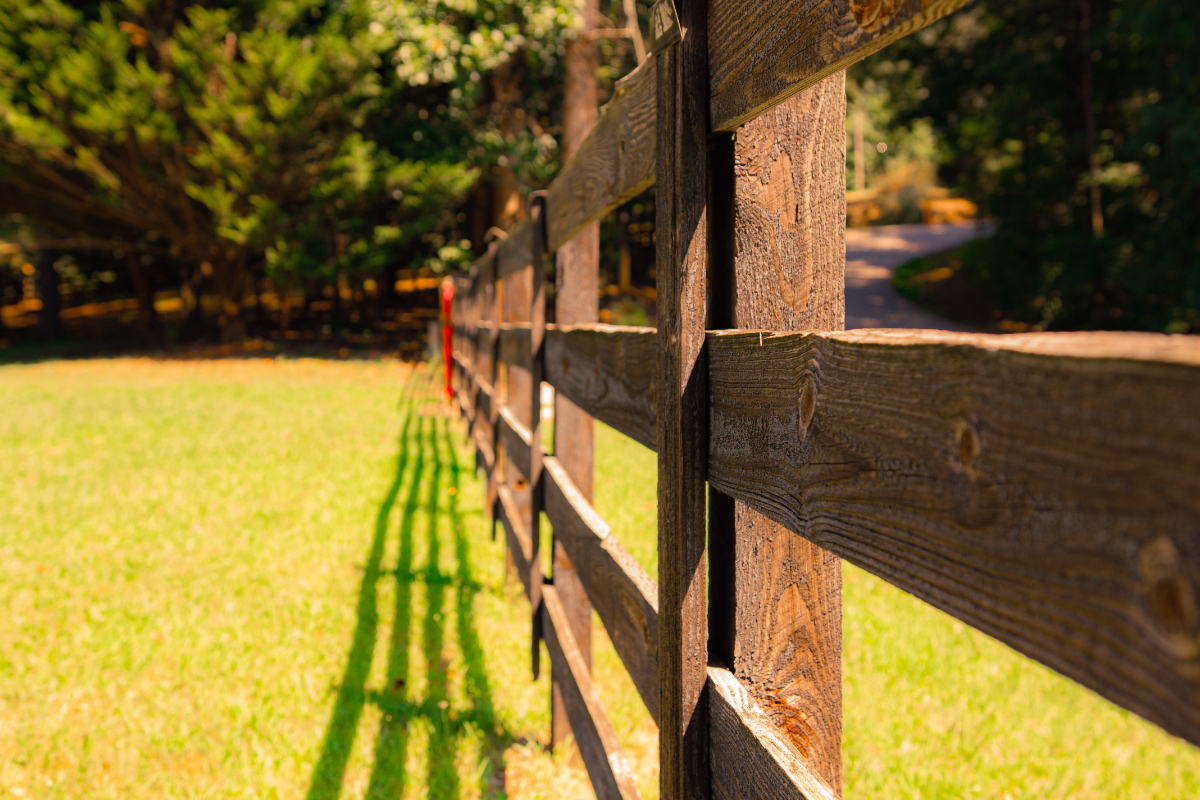
Wooden Fencing
Chain Link Fencing
Why Fence Posts Matter
Fence posts are vital because they hold the whole fence structure in place. Even the strongest fence panels can fail if the posts are weak, badly set or placed in shallow post holes. This is why proper installation matters so much. A fence lasts much longer when the fence posts are set at the right depth, aligned correctly and supported by suitable concrete.
Timber fence posts can be cheaper, but they are more prone to rot where the post meets the ground. Ground level is often where moisture collects, so this area is at high risk of decay. Metal fence posts can be a good choice when they are rust resistant and coated. Concrete posts are often one of the best choices for long lasting fences because they are strong, stable and resistant to water damage.
Concrete posts also help the fence withstand high winds. In exposed areas, wind can put heavy pressure on fence panels, especially solid panels with few gaps. If the fence posts are not strong enough, the fence may lean, split or fail. Good posts, correct spacing and a careful installation method all improve stability.
The Role Of Gravel Boards
Gravel boards sit below fence panels and help protect them from damp soil, mulch, vegetation and standing water. They are especially useful with timber panels and wooden panels because they reduce contact with moisture at the base of the fence. Gravel boards can be made from timber, composite or concrete.
Concrete gravel boards are often the longest lasting option because they do not rot. They help prevent the bottom of the panels from sitting directly on damp ground. This can extend the life of a timber fence and reduce the need to replace lower boards.
Gravel boards also improve the look of the fence line by creating a clear base. They can help keep dirt, debris and vegetation away from the panels. This is important in a garden where soil, plants and wet leaves can build up against the fence and increase the risk of rot.
1
Composite Fencing
Composite fencing is often recommended for people who want a lasting fence with a natural appearance and lower maintenance. The materials used in composite fencing usually include wood fibres and plastic. This combination helps the fence stand up to moisture, insects and the weather while still giving the appearance of timber.
Composite fencing does not require the same level of staining, sealing or repainting as wood. It is a good choice for homeowners who want strong fence panels that look modern and clean. Many composite fence panels are designed to resist fading, cracking and splintering.
Composite fencing can have a higher upfront cost than timber, but it often offers good long term value. Since it needs less maintenance and is less likely to rot, it may save money over the life span of the fence. For many homes, composite fencing is a balance between appearance, durability and cost effectiveness.
2
Vinyl Fences
Vinyl fences are another strong choice when looking for long lasting fences. Vinyl is smooth, easy to clean and resistant to moisture. Unlike timber, vinyl will not rot, split or suffer from insect damage. This makes vinyl fences a good option for homeowners who want a simple boundary that needs less upkeep.
A vinyl fence can last 20 years, 30 years or even longer when installed correctly. The quality of the vinyl matters, so it is important to choose high quality materials rather than thin panels that may become weak over time.
Vinyl can be affected by strong sunlight and very cold weather, so quality and installation are key factors.
Vinyl fences are available in a variety of styles. Some offer privacy, while others are more decorative. They can work well as a garden fence, especially for people who want clean lines and a low maintenance finish.
3
Metal Fences
Metal fences are strong, secure and often long lasting. Wrought iron can look elegant and traditional, while steel and aluminium can provide a more modern look. Metal fences are often used at the front of a property, around driveways or as gates because they provide security without blocking the view.
The main issue with metal is corrosion. Rust can weaken metal over time if the coating is damaged or ignored. Galvanised steel, powder coated steel and rust resistant finishes help protect the surface. Regular inspections are still important because small chips in the coating can lead to rust.
Aluminium fences do not rust in the same way as iron or steel, which makes them a good option in damp areas. They are also lightweight, but they may not be as strong as heavy steel. The best option depends on whether the main priority is security, appearance, budget or long life.
4
Wood Fencing And Timber Fencing
Wood fencing remains one of the most common choices for gardens in the UK. It is natural, versatile and often more budget friendly than composite fencing, metal fences or vinyl fences. A wooden fence can provide privacy, warmth and a traditional look.
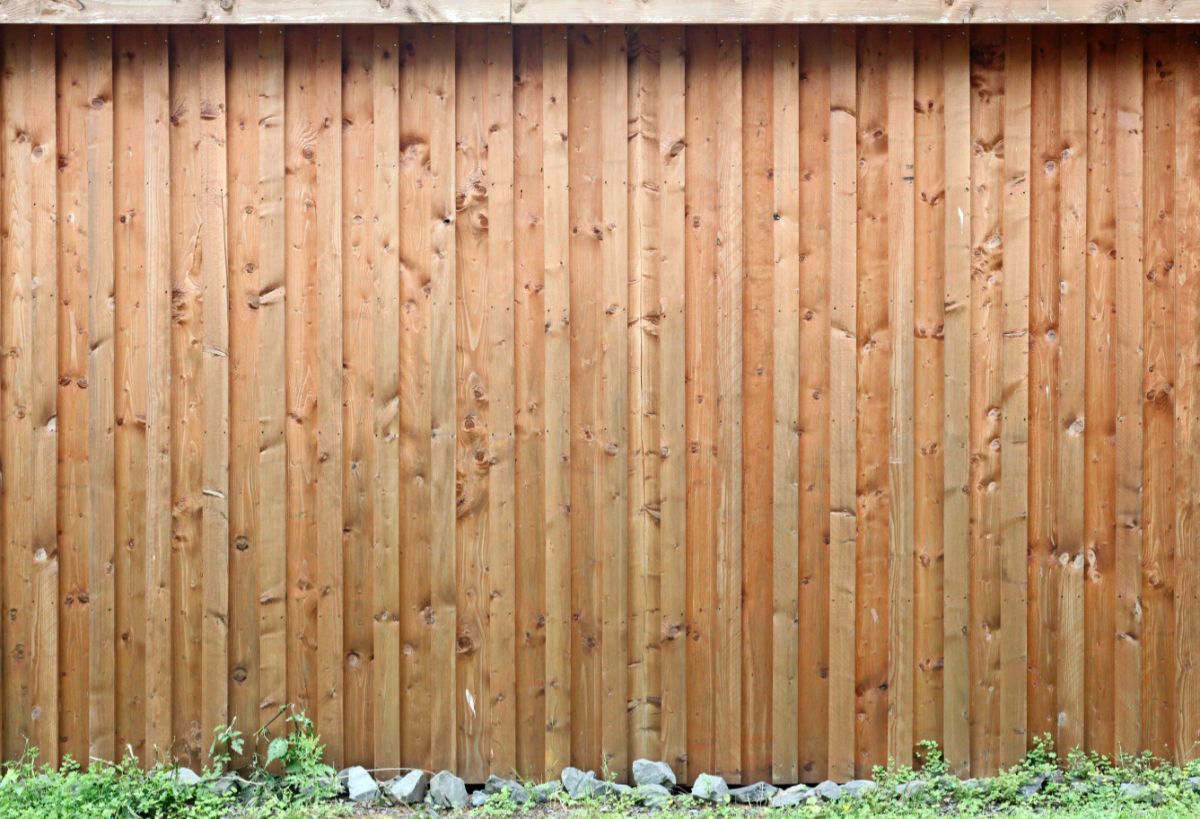
The main problem with wood is that it needs maintenance. Timber can absorb water, which can lead to rot, warp, mildew and fungal decay. Insects and pests can also cause damage, especially if the wood is untreated or already damp. Pressure treated wood is a better option than untreated timber because pressure treatment helps protect the wood from rot and insect damage.
A cedar fence is a durable choice because cedar contains natural oils that help protect it. Redwood can also be long lasting. Pine and spruce are cheaper, but they usually need more treatment and care. Treated wood should still be checked, cleaned and protected with stain, paint or sealant to extend the life of the fence.
Watch Out For Plants / Shrubs
Seal Your Fence
Installation Has A Major Impact
The installation method can determine how long a fence lasts. Even quality materials can fail quickly if the installation is poor. Proper installation means using the right depth for post holes, setting posts in concrete where needed, keeping panels level and allowing water to drain away.
A good fence installation should consider the soil type, wind exposure, fence height and purpose of the boundary. Clay soil, wet soil and poor drainage can increase the risk of movement and moisture damage. Exposed areas need stronger posts and fixings because wind can put pressure on the fence.
Professional installation can help prevent early failure. A professional will usually check the fence line, measure correctly and ensure the posts are placed where they will give the best support. This helps the fence remain solid and secure for many years.
The UK Climate And Fence Durability
The UK climate can be hard on fencing. Rain, wind, humidity, frost and sunlight all affect fence materials. Timber is especially affected by moisture, while metal can suffer from corrosion if it is not protected. Vinyl and composite are often better at handling damp conditions, but they still need good installation.
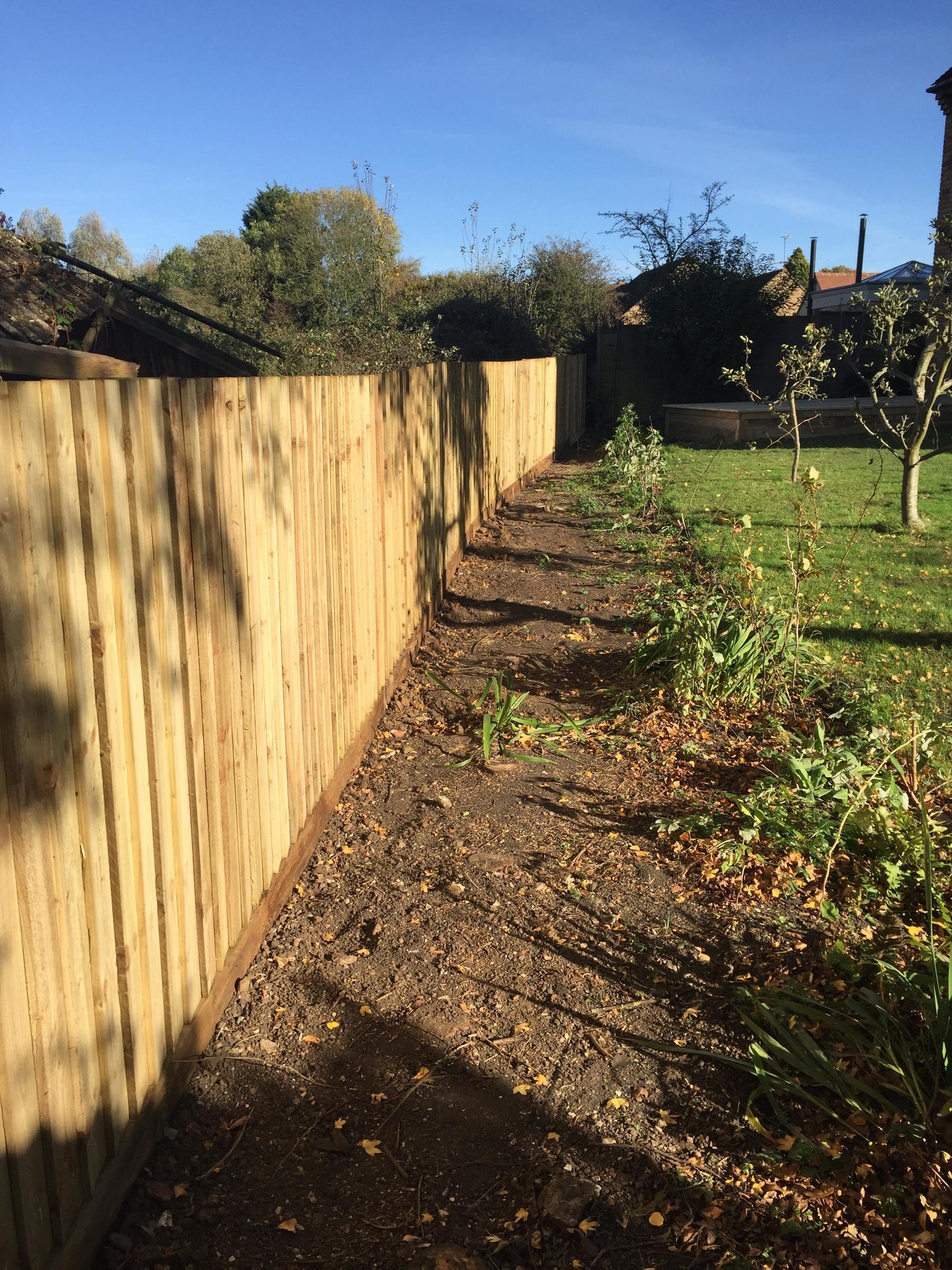
Constant moisture is one of the main causes of fence damage. If soil, mulch, leaves or vegetation sit against the base of the fence, the materials may stay damp for long periods. This can lead to rot in wood and can reduce the fence's lifespan.
High winds can also cause problems. Solid panels provide privacy, but they catch more wind than panels with gaps. In windy areas, strong posts and secure fixings are essential. The best fence for an exposed garden may not be the same as the best fence for a sheltered garden.
Maintenance And Regular Checks
Maintenance is one of the key factors in how long a fence will last. Some materials require more maintenance than others. Composite fencing, vinyl fences and aluminium fences usually need less maintenance than timber. Wood, wrought iron and steel may need more care to keep them in good condition.
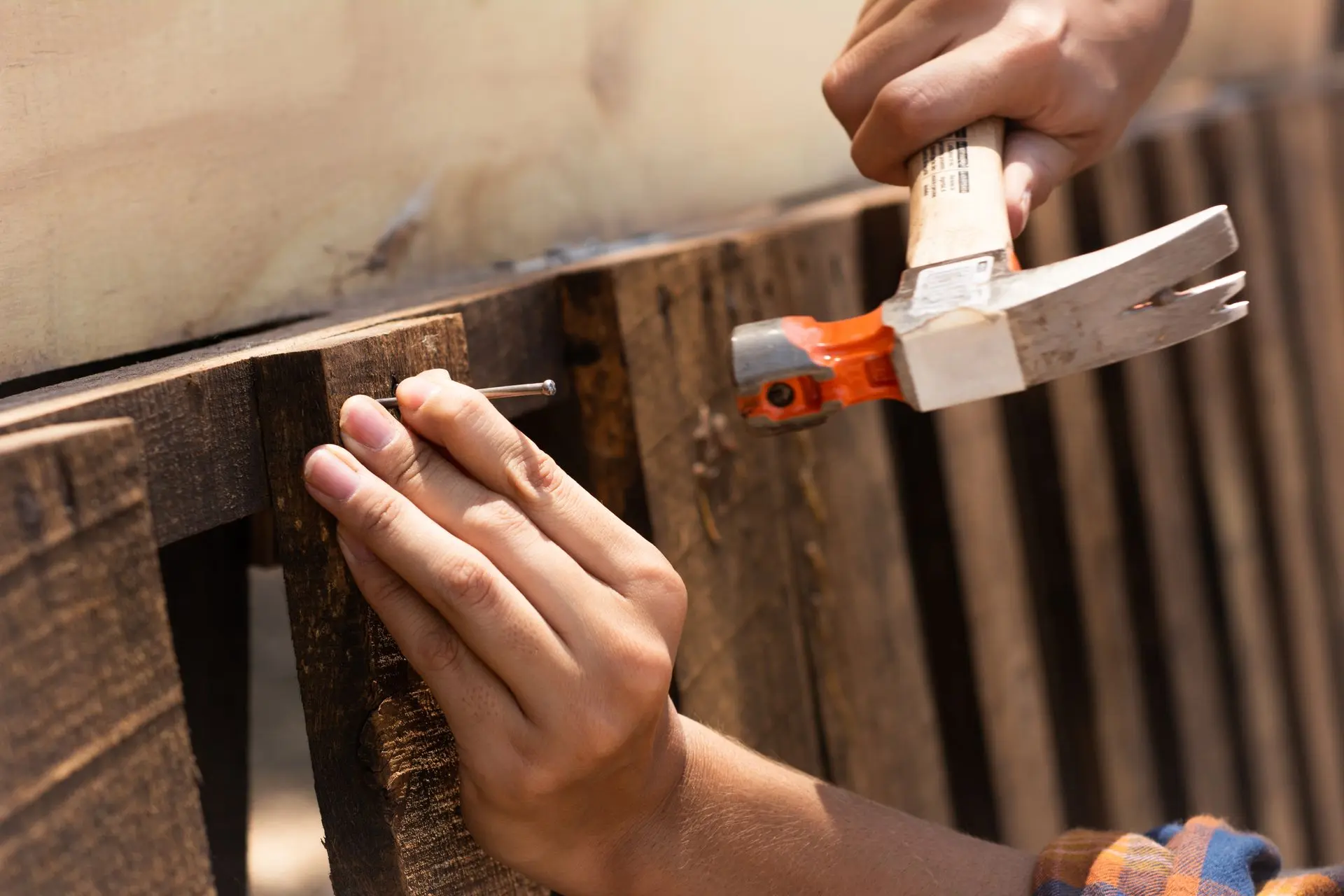
Regular inspections help you find problems before they become serious. Check posts, panels, gates, fixings and the base of the fence. Look for rot, rust, cracks, loose screws, movement and signs of insect damage. Fixing small issues early can prevent structural failure later.
Cleaning also helps. Dirt, mildew, mould, wet leaves and debris can hold moisture against the fence. Washing the surface with water and mild soap can improve appearance and reduce damage. Wood may also need staining, sealing or repainting every few years.
How To Extend The Life Of A Fence
To extend the life of a fence, start by choosing the right materials. Durable materials, strong posts and good fixings will make a major difference. High quality materials may cost more at the start, but they often give better value over the long run.
You can also extend the life of timber by using pressure treated wood, sealant and good drainage. Keep soil and plants away from the base, and use gravel boards where possible. This helps prevent water from sitting against the panels.
For metal fences, keep the coating in good condition. Repair scratches or chips quickly to protect against rust. For composite fencing and vinyl fences, clean the panels when needed and check that the posts remain stable.
Cost, Value And Long Term Choice
Cost is important, but the cheapest fence is not always the best option. A cheaper wooden fence may have a lower upfront cost, but it may need more maintenance, repair and replacement. Composite fencing, vinyl fences or metal fences may cost more at first, but they can offer better long term value.
When choosing the right type of fence, think about the full lifetime cost. This includes the price of materials, installation, maintenance, repair and possible replacement. A fence that lasts longer can be worth paying more for if it reduces future spending.
For many homeowners, the right choice is a balance of cost, appearance, privacy, security and durability. A garden fence should suit the property, handle the weather and meet your needs for many years.
So, Which Fence Lasts The Longest?
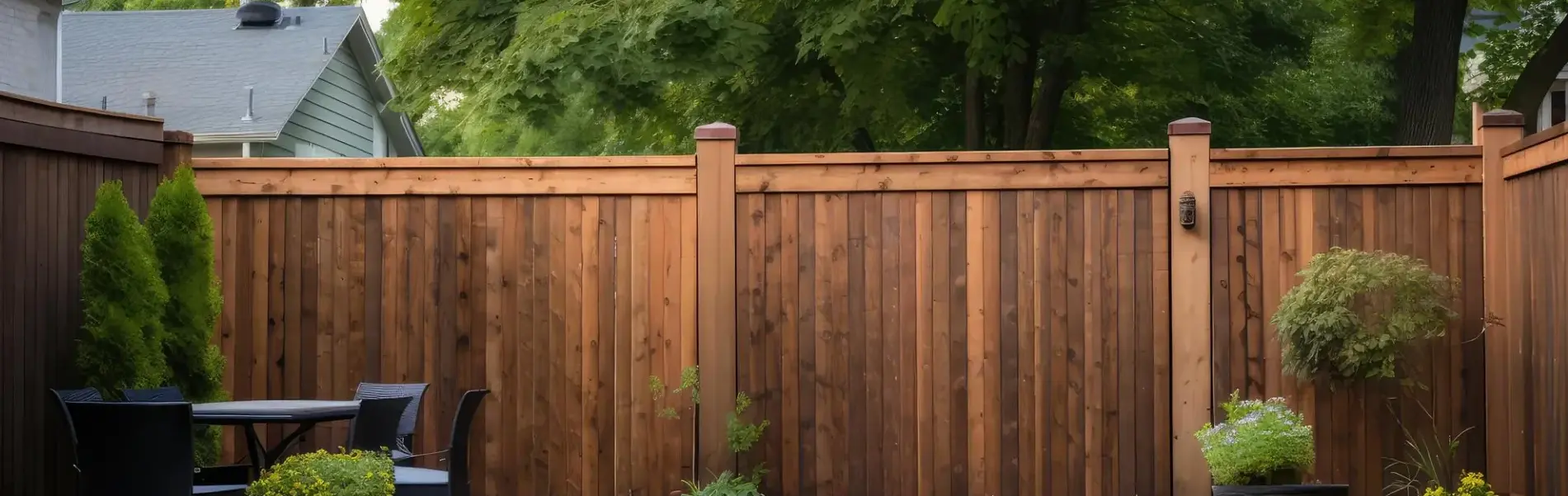
The fence lasts the longest when the right materials are combined with strong posts, good installation and regular maintenance. Composite fencing, vinyl fences and metal fences are often the longest lasting type of options for many homes. Concrete posts and gravel boards can make almost any fence longer lasting by protecting the base and improving stability. If you want minimal maintenance, composite fencing or vinyl fences may be the best fence choices.
If you want strength and security, metal fences, steel or wrought iron may be more suitable. If you love the natural look of timber, pressure treated wood, cedar or redwood can still be a good choice, as long as you maintain it properly.
The type of fence lasts the longest when it fits the environment. A good fence in a sheltered garden may fail in an exposed area if the posts are weak. A timber fence may last well with treatment and care, but it may fail quickly if left against damp soil. A composite fence or vinyl fence may offer longer life with less upkeep, but quality and installation still matter.
In the end, the longest lasting fences are not only about the panels. Fence posts, gravel boards, fixings, ground conditions, wind exposure, moisture, materials, installation and maintenance all decide how long the fence lasts. By selecting quality materials and checking the fence regularly, you can protect your boundary, improve your garden and maximise the lifespan of your fence.
Are you looking for fencing specialists near you? If you require garden decking in Milton Keynes, Buckinghamshire contact us today. Our garden design experts can supply and install beautiful garden decking for you and your family to enjoy for years to come.