What Is Picket Fencing?
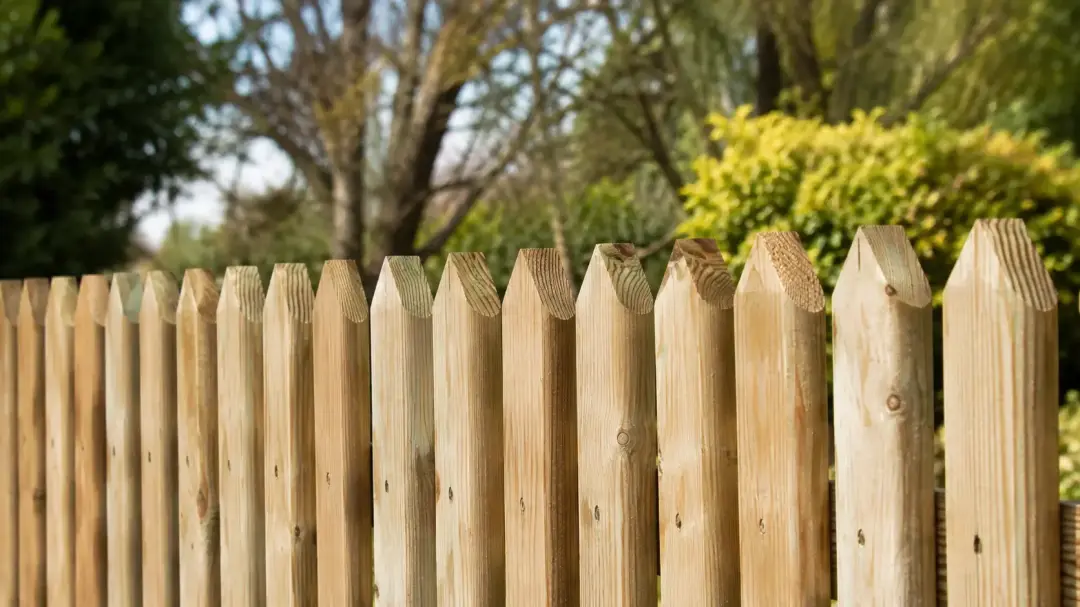
Picket fencing is a traditional style of boundary fencing made from evenly spaced vertical boards fixed to horizontal rails. The individual boards, known as pickets, are usually shaped at the top and arranged with visible gaps between them. This open design makes picket fencing different from solid panel or closeboard fencing.
It creates a clear boundary without completely blocking views between the property and surrounding area. Picket fencing is commonly used around front gardens, pathways, entrances, driveways and smaller landscaped areas. It can also be installed within larger gardens to divide different sections without making the space feel enclosed.
Wood is one of the most familiar materials used for picket fencing, but metal options are also available. Both can be supplied in different heights, styles, colours and finishes. Gates can be designed to match the fencing and provide convenient access through the boundary. The right specification depends on what the fence needs to achieve.
A low decorative fence may be suitable for defining a front garden, while a taller design may provide greater separation. Picket fencing offers a practical combination of appearance, visibility and boundary definition, which is why it remains popular for many residential properties.
Why Is Picket Fencing a Popular Choice?
Picket fencing is popular because it creates an attractive boundary without making a garden feel closed off. The gaps between the pickets allow light and views to pass through, which can help smaller front gardens feel more spacious. Its traditional appearance also suits many homes, particularly properties with landscaped gardens or defined pathways.
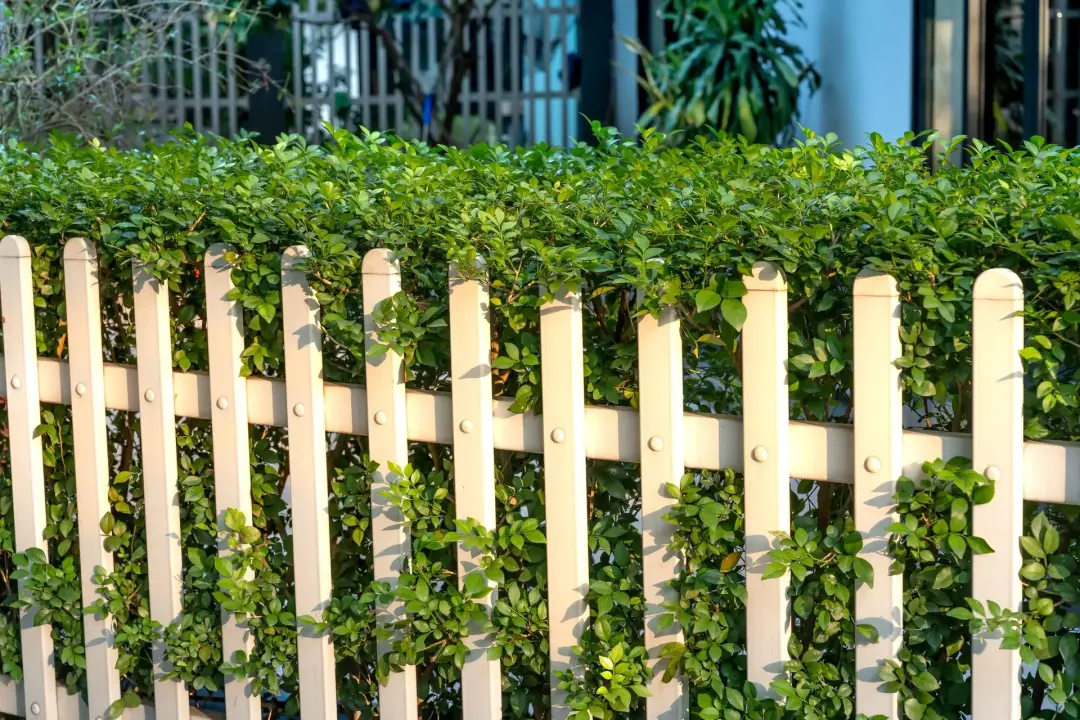
Picket fencing can be supplied in different heights, colours and materials, making it easy to adapt to different property styles. It can also be combined with matching gates.
Maintenance requirements depend on the material selected. Wooden fencing needs periodic treatment, while some metal systems may require less routine attention.
Picket fencing is particularly useful where homeowners want to mark a boundary rather than create complete privacy. This balance between visibility, appearance and practical separation makes it a versatile choice for front gardens, entrances and other areas around residential properties.
Improving the Appearance of Your Property
Picket fencing can improve the appearance of a property by adding a clear, decorative structure around gardens, pathways and entrances. Its simple repeating design can make outdoor areas look more organised and finished. The style works particularly well where landscaping forms an important part of the property's appearance. Plants, lawns and flower beds remain visible through the gaps, allowing the fencing to frame the garden rather than hide it. Different picket shapes can create either a traditional or more contemporary appearance.
Homeowners can also choose from natural timber finishes, painted colours and various metal designs. The fence height influences the overall look as well. Lower fencing tends to feel decorative and open, while taller pickets create a stronger visual boundary. Matching gates can complete the design around driveways or pathways.
The fence should also complement other exterior features such as doors, windows and garden structures. Poorly proportioned fencing can dominate a small garden, so the size and spacing of pickets should be considered carefully. A professionally planned installation can help balance the fence with the property and surrounding landscape. When selected well, picket fencing can make a boundary look intentional and attractive while still allowing the character of the garden and building to remain visible.
Are you considering garden fencing installation or replacement?
MD Fencing & Decking work throughout Hertfordshire and Buckinghamshire, covering the A10 corridor from the start of the M25 up into Buntingford. Our services also cover Milton Keynes and nearby areas including:
Creating a Clear Garden Boundary
Picket fencing provides a simple way to create a clear garden boundary. The line of posts and pickets shows where one area finishes and another begins without using a completely solid barrier. This can be useful between front gardens, around pathways or along the edge of driveways.
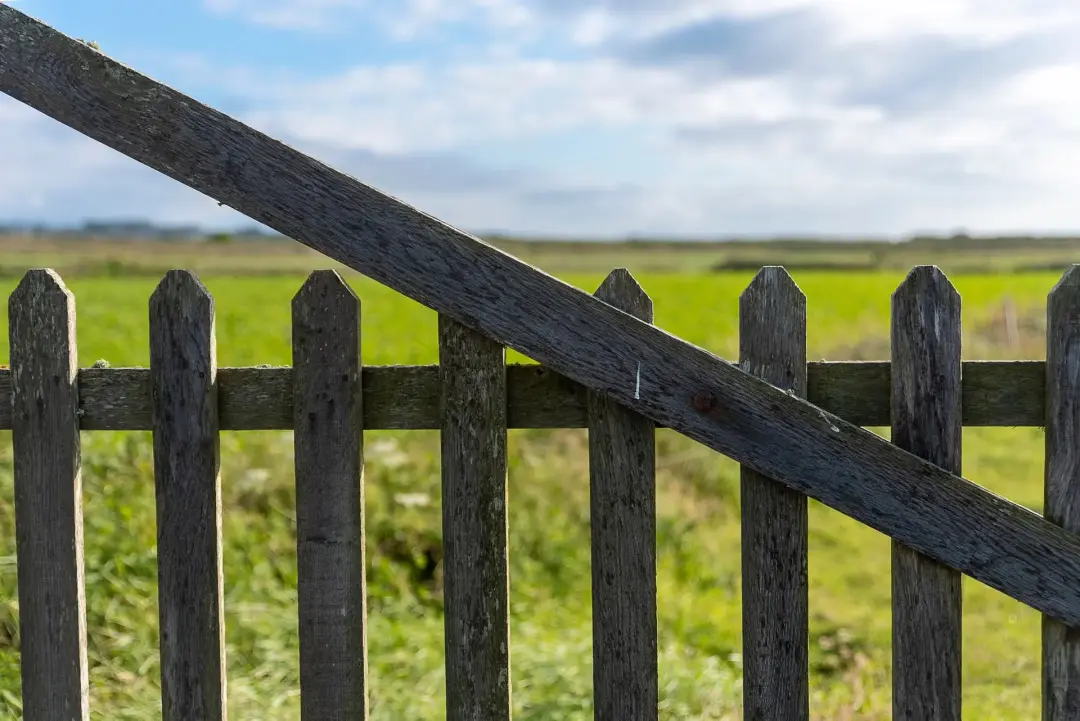
A defined boundary can make outdoor spaces look tidier and help reduce confusion about where people should walk. The fencing can also separate lawns from planted areas or neighbouring land.
Because views remain open through the pickets, the boundary feels less restrictive than solid fencing. The height should reflect how much separation is required.
A low fence may be enough for decorative definition, while a taller design creates a more noticeable division. Gates can be positioned at natural access points. Picket fencing therefore works well where homeowners want a visible and attractive boundary without sacrificing light or openness.
Adding Character to Front Gardens
Picket fencing can add character to front gardens by creating a traditional decorative feature around the edge of the property. Its distinctive shape is particularly associated with welcoming residential boundaries. Different picket profiles can change the overall appearance significantly. Rounded, pointed and shaped tops all provide different visual styles.
Timber fencing can be painted in classic colours or stained to show the natural grain. Metal picket fencing can create a sharper or more contemporary appearance while retaining the same open structure. The fence can also frame planting and make flower beds appear more defined. Matching gates can emphasise the main entrance and create a clear route towards the front door.
The spacing between pickets allows the garden to remain visible from outside, which is often desirable for decorative front gardens. The proportions should suit the property. A very tall fence may look too dominant around a small garden, while a lower fence can provide enough definition without hiding the building. Decorative posts and caps can add further detail if desired. Picket fencing works especially well where the homeowner wants the boundary itself to contribute to the appearance of the property. With the right height, colour and design, it can create a distinctive but understated feature around the front garden.
Keeping Outdoor Areas Open and Visible
One of the main advantages of picket fencing is that it keeps outdoor areas open and visible. The gaps between individual pickets allow light and views to pass through the boundary. This can help small gardens feel less enclosed. It also allows homeowners to see pathways, entrances and areas beyond the fence more easily.
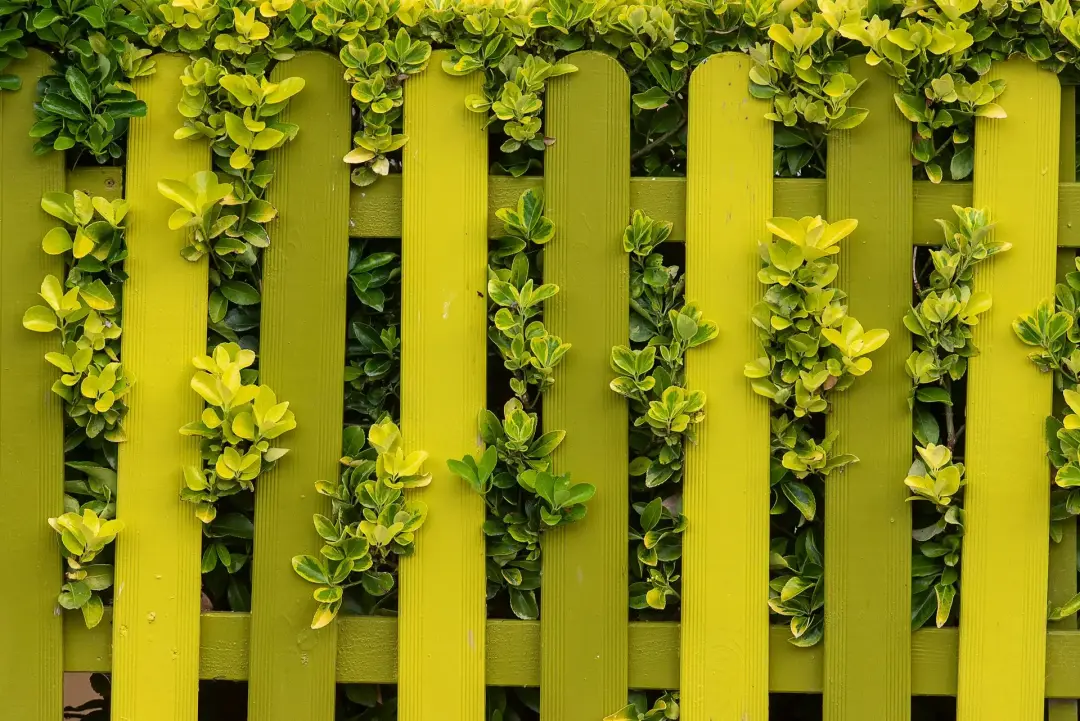
Open visibility may be useful around driveways where people need a clearer view of pedestrians or vehicles. Garden plants can remain visible from outside rather than being hidden behind solid fencing.
The exact level of openness depends on picket spacing and fence height. Closer spacing creates a stronger visual barrier, while wider gaps provide more visibility.
Picket fencing is therefore a useful compromise for homeowners who want a defined boundary but do not need complete privacy. Professional installation can help achieve suitable spacing while keeping the finished fence secure, balanced and consistent.
Choosing Picket Fencing for Traditional Properties
Picket fencing is often a natural choice for traditional properties because its simple design complements many older architectural styles. Cottages, period houses and traditional suburban homes can all benefit from its familiar appearance.
Wooden picket fencing is particularly popular in these settings. Natural timber can be stained to preserve its grain or painted in a colour that matches the property. White and muted shades are commonly associated with traditional garden boundaries, although there is no need to follow one particular style.
The shape of the pickets also matters. Pointed or shaped tops can create a more decorative look, while straightforward square-ended boards provide a simpler finish. Fence height should be selected carefully so the boundary does not hide important features of the house. Lower fencing often works well around front gardens because it defines the property while keeping windows, doors and planting visible. Matching wooden gates can provide a consistent entrance.
Posts and caps can also be chosen to suit the character of the property. Picket fencing should still be planned around practical requirements such as pets, children and access. Combining traditional styling with suitable construction allows homeowners to create a boundary that feels appropriate for an older property while remaining practical for everyday use.
Using Picket Fencing Around Modern Homes
Picket fencing can also work well around modern homes when the design is kept clean and simple. Straight-edged pickets, consistent spacing and contemporary colours can create a more modern appearance. Metal fencing can be particularly suitable for newer properties, although painted timber can also work effectively. Neutral colours such as black, grey or natural wood tones can coordinate with modern windows, doors and cladding.
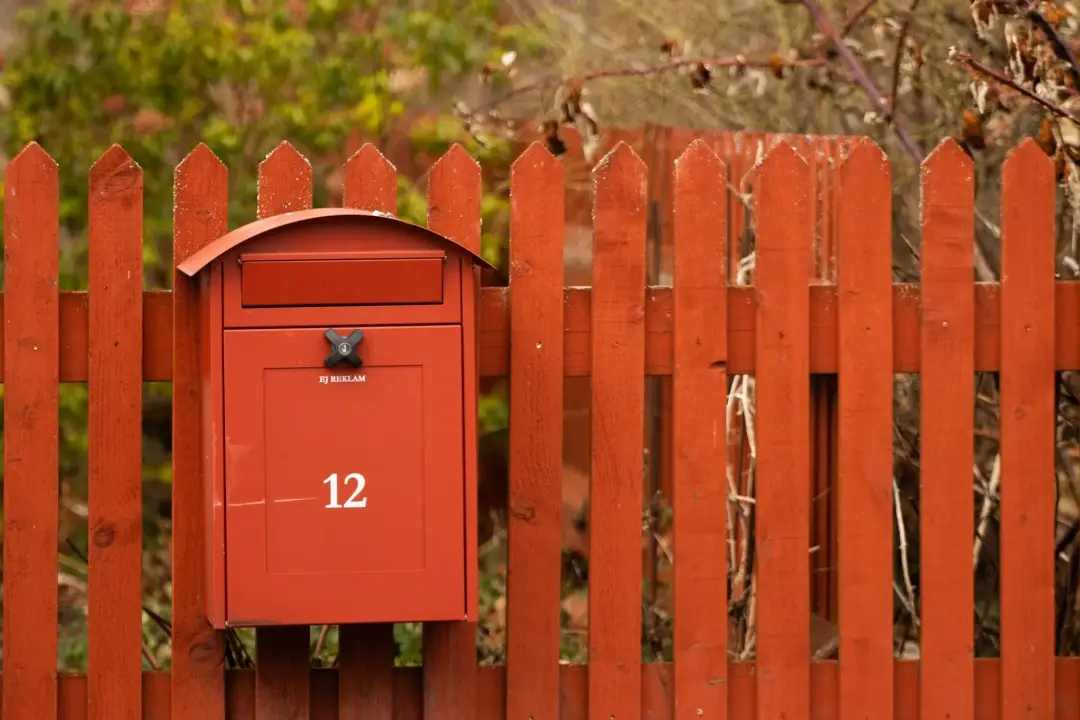
The open structure helps maintain clean sightlines across landscaped gardens. Lower fencing can define boundaries without making the frontage look crowded.
Matching gates should use similar materials and proportions to maintain consistency. Homeowners can also choose wider or narrower pickets depending on the architectural style.
The key is to avoid overly decorative details where the building itself has a simple design.
A professionally planned picket fence can therefore provide the practical boundary benefits of a traditional system while still suiting a contemporary property.
Picket Fencing for Front Gardens
Front gardens are one of the most common places to install picket fencing because the design provides a clear boundary while keeping the property visible from the street. Low or medium-height fencing can define the edge of the garden without creating a closed-off appearance. This helps maintain natural light and views around windows and entrances.
Picket fencing can also discourage people from walking across lawns or planted areas. A matching gate can create a clear pedestrian route from the pavement to the front door. Driveway entrances can be handled separately with wider gates or open access depending on the layout. The design can complement planting, paths and other garden features. Timber provides a traditional appearance, while metal can create a sharper or lower-maintenance alternative.
The chosen height should reflect local conditions and what the homeowner wants the fence to achieve. Where children or pets use the front garden, spacing and gate security may need additional consideration. The boundary line should also be confirmed before installation. Posts need suitable foundations so the fence remains straight and stable. A well-designed picket fence can make a front garden look more finished while creating useful separation between private garden space, pavement and neighbouring properties.
Picket Fencing for Back Gardens
Picket fencing can be used in back gardens where complete privacy is not required. It is particularly useful for dividing different areas within the garden. Homeowners may install it around lawns, vegetable patches, children's play areas or decorative planting. The open design allows light to pass through and keeps different sections visually connected. This can help larger gardens feel organised without being broken into enclosed spaces.

A matching gate can provide convenient access between areas. Picket fencing may also suit boundaries where neighbouring properties already have open views and both sides prefer a lighter style.
However, homeowners seeking strong privacy may find solid fencing more appropriate. Height and spacing should be chosen according to how the garden is used.
Wooden picket fencing can blend naturally with planting, while metal options may provide a cleaner appearance. The right design can create useful structure around a back garden without making it feel divided or restricted.
Picket Fencing for Pathways and Entrances
Picket fencing can help define pathways and entrances by guiding people naturally through a garden or towards a property. This is particularly useful where lawns, planted areas and walking routes are positioned close together. A low fence along a pathway creates a visible edge without blocking views. It can also discourage visitors from cutting across flower beds or landscaped areas.
At the entrance, a matching gate can provide a clear transition between public and private space. The gate width should suit normal pedestrian use and any equipment that regularly needs access. Decorative picket tops and gate details can make the entrance more noticeable. Colour can also be used to connect the fence with the front door or other exterior features.
The fence should not create unnecessary obstructions along narrow paths. Enough space needs to remain for comfortable movement. Where steps or changes in ground level are present, the fence can be adapted to follow the landscape.
Posts should be positioned carefully so they do not reduce the usable width of the route. Lighting and planting can be combined with the fence to create a more defined entrance. Picket fencing therefore provides both a decorative and practical way to structure movement around the property while maintaining an open and welcoming appearance.
Picket Fencing Around Driveways
Picket fencing can define the edges of a driveway without creating a solid visual barrier. This is useful where homeowners want clear separation between vehicle areas, lawns and planting. The open design allows drivers to maintain better visibility than many solid fence types.
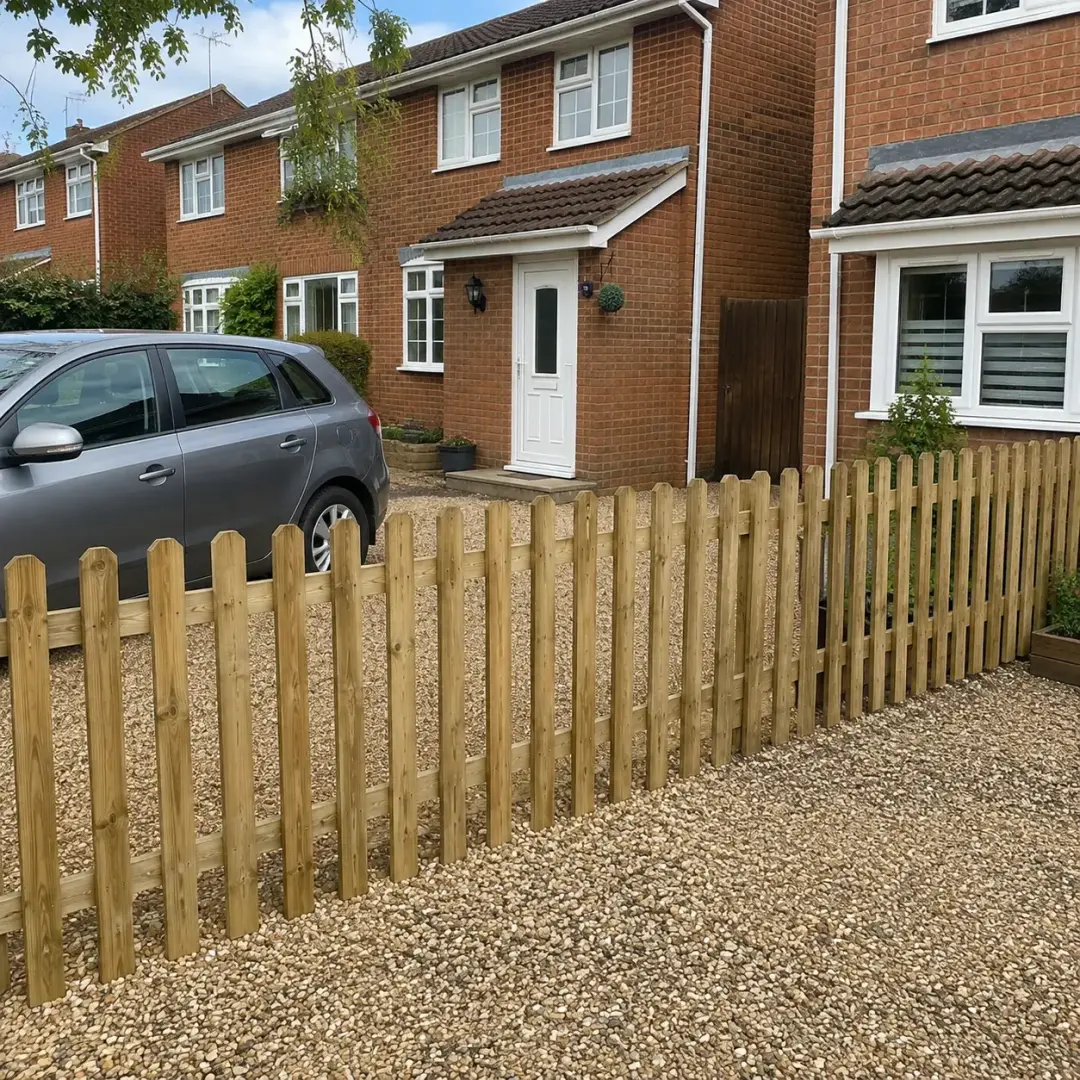
Fence height should remain appropriate around entrances and sightlines. Matching gates can be installed if the driveway itself needs to be enclosed.
Double gates may be suitable for vehicle access, while a separate pedestrian gate can serve the pathway. Posts close to driveways should be positioned carefully to reduce the chance of vehicle impact.
Durable finishes can also be useful because road spray and dirt may affect fencing near parking areas. Timber fencing needs regular treatment, particularly where water collects beside the driveway.
A professionally planned installation can create an attractive border around the driveway while keeping vehicle access practical and visible.
Using Picket Fencing to Separate Garden Areas
Picket fencing is well suited to separating different sections of a garden without creating complete visual barriers. It can divide lawns, play areas, vegetable gardens and planted sections while allowing the whole outdoor space to remain connected. This can be particularly useful in larger gardens that benefit from clearer organisation.
A short fence can show where one area begins without making movement around the garden feel restricted. Gates can provide controlled access between sections. Families may use picket fencing to separate children's play areas from flower beds or other spaces where supervision is still required. The open gaps maintain visibility across the boundary.
Gardeners can also use picket fencing around vegetable patches to create a decorative edge and discourage accidental foot traffic. Height should reflect the intended purpose. A decorative divider may only need to be low, while a boundary intended to discourage pets or children from entering a particular area may require greater height and closer spacing.
Materials can be chosen to match existing garden structures. Wood blends naturally with planting, while metal may suit a more contemporary landscape. Using consistent colours and gate designs can help different fenced areas look coordinated. Picket fencing therefore provides a flexible way to create structure within the garden without sacrificing light, views or an open overall appearance.
Is Picket Fencing Suitable for Families with Children?
Picket fencing can be suitable for families with children when the height, spacing and gate design are chosen carefully. The fence can create a visible boundary around lawns or play areas while still allowing parents to see through it. Picket spacing should be considered so children cannot easily squeeze through.
Sharp or overly pointed decorative tops may also be unsuitable in areas where younger children play. Gates should close securely and be positioned where adults can supervise access.
The overall fence height needs to reflect the age of the children and how the space is used. Picket fencing should not be relied upon as a substitute for direct supervision.
It is mainly a boundary feature rather than a specialist safety barrier. Regular maintenance is important because loose pickets, protruding fixings and damaged gates can create hazards. A professionally installed fence can help provide an attractive and practical garden boundary for family properties.
Can Picket Fencing Help Keep Pets Safe?
Picket fencing can help keep some pets within a garden, but its suitability depends on the animal, fence height and spacing between the pickets. Small or determined pets may be able to squeeze through gaps or jump over low fencing. For dogs, the height should be selected according to breed and behaviour. Closer picket spacing can reduce opportunities for smaller animals to pass through.
Gates need secure latches and should not leave large gaps underneath. The bottom of the fence should also follow the ground closely enough to prevent easy escape. Uneven ground can create larger openings beneath certain sections. Picket fencing may be suitable for calm domestic pets where the main aim is to create a visible boundary.
However, animals that dig, climb or jump may require a different fencing system or additional measures. The open design does allow owners to see pets easily while they are outside. Timber should also remain free from sharp splinters or damaged pickets. Regular inspections are useful because loose boards can create new gaps. Professional installers can adjust spacing and height to suit the intended use. Homeowners should consider their individual pet rather than assuming every picket fence will provide the same level of containment.
How Picket Fencing Can Improve Kerb Appeal
Picket fencing can improve kerb appeal by adding a neat and recognisable boundary around the front of a property. It frames lawns, planting and pathways without hiding them. A well-maintained fence can make the frontage appear more organised and cared for. Colour plays an important role in the overall effect.
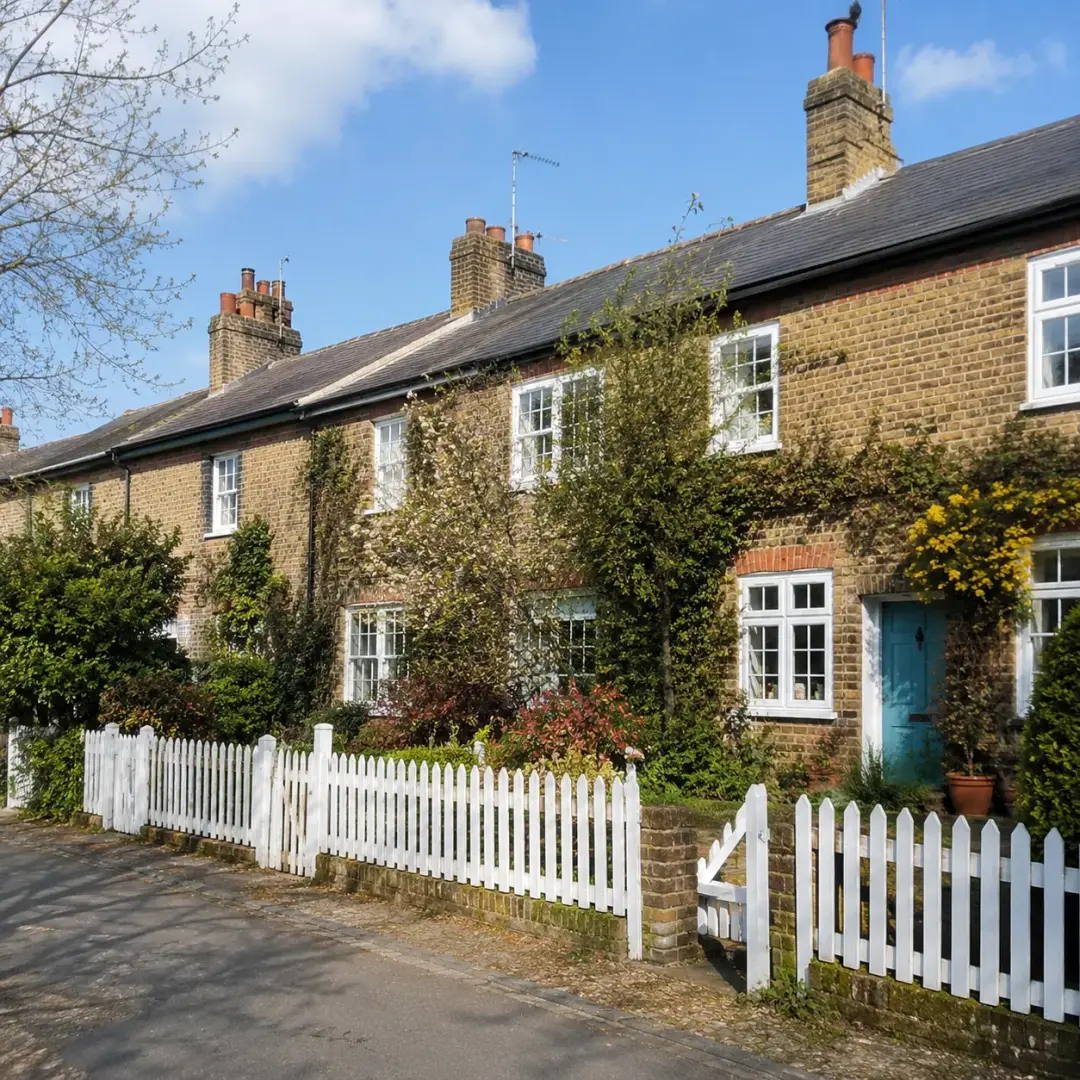
Painted timber can match exterior doors or windows, while stained wood provides a more natural appearance. Metal fencing can suit properties with contemporary landscaping. Matching gates create a more complete design.
The fence height should complement the proportions of the house and garden. Overly tall fencing can dominate a small frontage, while a lower boundary often looks more balanced. Condition matters as much as design.
Peeling paint, leaning posts or broken pickets can reduce appearance rather than improve it. Regular maintenance therefore helps preserve the visual benefits. A professionally installed picket fence can create an attractive first impression while providing a practical garden boundary.
Choosing the Right Height for Picket Fencing
Choosing the right fence height depends on what the boundary needs to achieve. Decorative picket fencing can often be relatively low, particularly around front gardens and pathways. A low fence defines the boundary while maintaining an open view. Taller picket fencing provides greater separation and may be more suitable where children or pets use the garden.
However, increasing height can change the character of the design. A very tall picket fence may begin to feel more enclosed and can reduce some of the visual openness that makes this style attractive. The surrounding property should also be considered. Fence height should suit neighbouring boundaries, garden size and the proportions of the building.
Driveway entrances may require particular care so sightlines remain clear. Local planning requirements can also affect the height of fencing in certain locations, particularly near highways or property frontages. Homeowners should check any relevant requirements before installation.
The gate should usually match or coordinate with the surrounding fence height. Ground levels can make a fence appear higher from one side than the other. Professional measurement helps account for slopes and changes in level. Selecting the right height creates a balance between appearance, visibility and practical boundary control.
Choosing the Right Picket Fence Style
Picket fence style is influenced by the shape, spacing and width of the individual boards. Traditional designs often use pointed or rounded tops. Square-ended pickets can create a simpler, more contemporary appearance. Spacing also changes the overall look. Narrow gaps create a stronger visual boundary, while wider gaps make the fence feel lighter and more open.
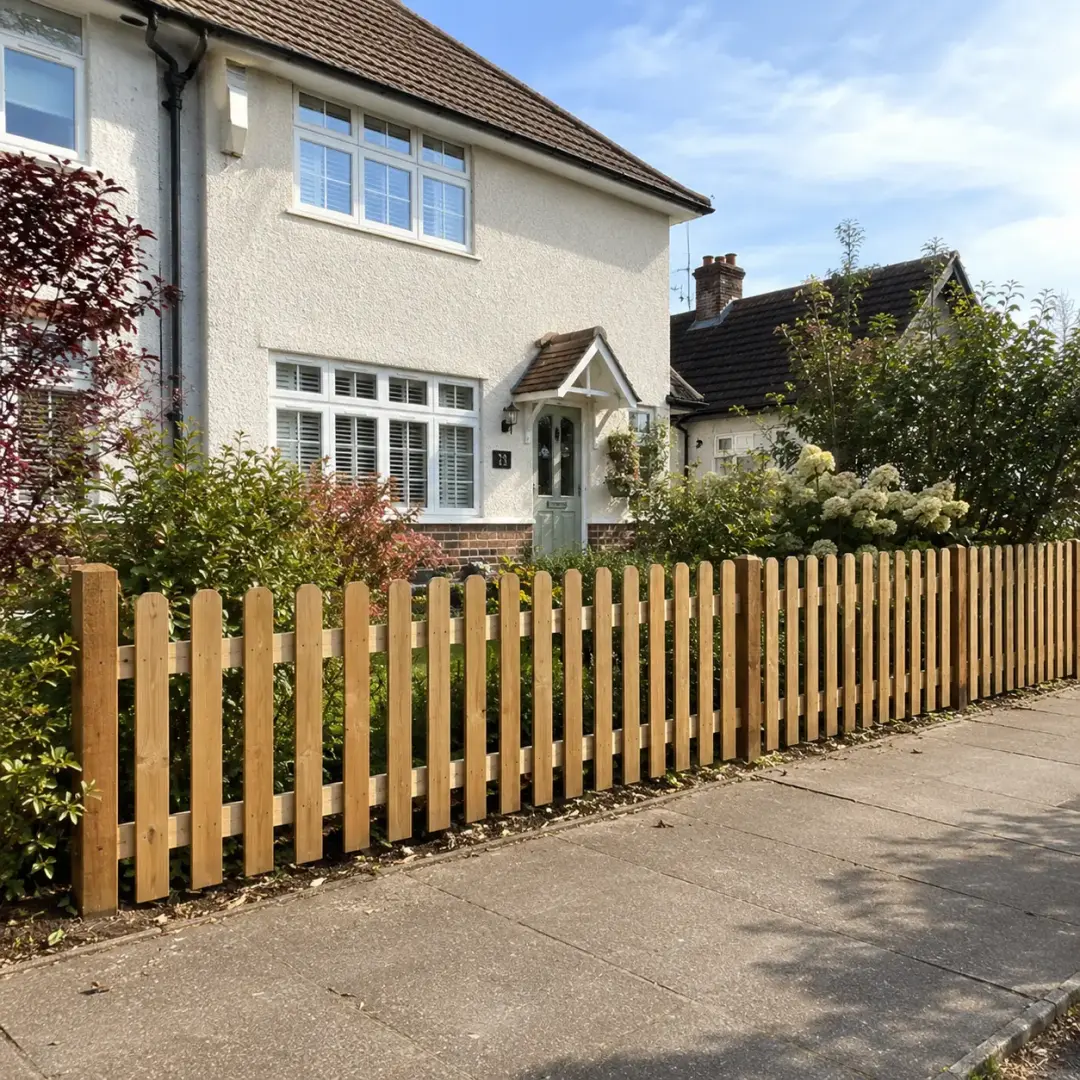
The style should complement the property rather than compete with it. Decorative posts and caps can add detail around traditional homes.
Modern properties may suit cleaner lines and fewer decorative features. Gate design should also coordinate with the main fence. Material affects the appearance as well.
Wood provides a natural and familiar finish, while metal can create a sharper and more uniform look.
Reviewing several styles before installation helps homeowners select a design that suits both the building and surrounding garden.
For professional picket fencing in Milton Keynes, Buckinghamshire, MD Fencing & Decking provides practical, attractive fencing for homes and gardens. We install, repair and replace picket fencing, helping customers improve boundaries, entrances and outdoor spaces with neat, durable timber fencing.