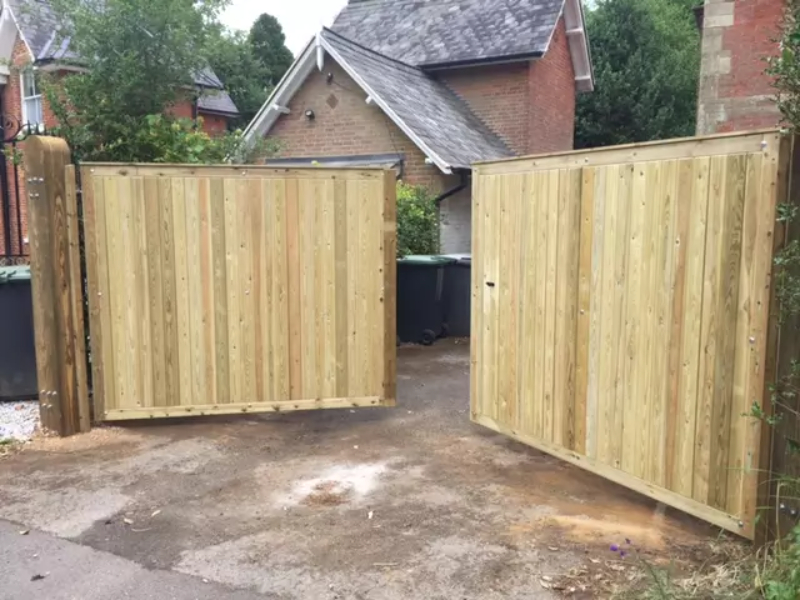
What are the most important wooden driveway gates considerations? This guide explains what to think about when choosing, ordering, installing and maintaining driveway gates for your home or property.
Choosing The Right Driveway Gates
Choosing the right driveway gates means thinking about much more than appearance and cost. The gate width, height, weight, materials, hinges, posts, opening direction and ground levels can all affect how well the gates work. You should also consider security, privacy, regular maintenance and how the entrance will be used each day.
Wooden driveway gates can suit both traditional properties and modern homes because timber offers natural beauty, warmth and a wide range of design choices. Before making a purchase, measure the entrance carefully and think about your specific needs. A driveway used by several vehicles can place different demands on gates compared with a smaller driveway serving one car.
Choosing the right design from the beginning can help ensure the gates are attractive, secure and suitable for long-term use. Quality materials, strong construction and proper installation can also reduce the risk of early movement, damage or failure. A good gate should suit the property, provide the required access and remain practical during daily use.
When you choose wooden driveway gates, think about the whole entrance rather than the gates alone. The driveway layout, fencing, walls, posts, surface, sight lines and available opening space all matter. The best answer will depend on your needs, aesthetic preferences, privacy requirements and budget.
Read related articles:
Is It Better To Paint Or Stain A Wooden Gate
Wooden Driveway Gates Considerations
What Is The Best Wood For Driveway Gates?
The best wood for driveway gates depends on your budget, location, design and maintenance expectations. Timber driveway gates can be made from hardwood or softwood, and both options have their own advantages. Hardwood gates are naturally dense and can provide excellent strength, while good pressure treated softwood gates can be a more affordable choice.
Oak is a popular hardwood because of its strength, natural character and traditional appearance. Cedar and redwood can also be considered depending on the required style and construction. The right wood should be selected for the size and weight of the gates, as larger driveway gates place more pressure on the frame, posts and hinges.
Timber is a natural product, so some natural movement over time should be expected. Moisture, sunlight, rain and changing weather conditions can cause wood to expand and contract. Good frame construction, suitable treatment and regular care help protect wooden gates from excessive twisting, cracks, rot, decay and insect attack.
Hardwood and softwood have different qualities. Hardwood is generally heavier and can be very durable when it is properly selected and maintained. Softwood is often easier to work with and can offer good results when it is pressure treated and protected with a suitable finish. Neither material is completely maintenance free, so the right choice depends on the expected lifespan, appearance, upkeep and price.
There is also a wide range of alternatives, including metal gates and other materials. Metal gates can require less maintenance in some settings, but they create a different appearance and property feel. Wooden driveway gates remain an excellent choice for many homeowners because they combine natural beauty, privacy, security and aesthetic appeal.
Are you considering garden fencing installation or replacement?
MD Fencing & Decking work throughout Hertfordshire and Buckinghamshire, covering the A10 corridor from the start of the M25 up into Buntingford. Our services also cover Milton Keynes and nearby areas including:
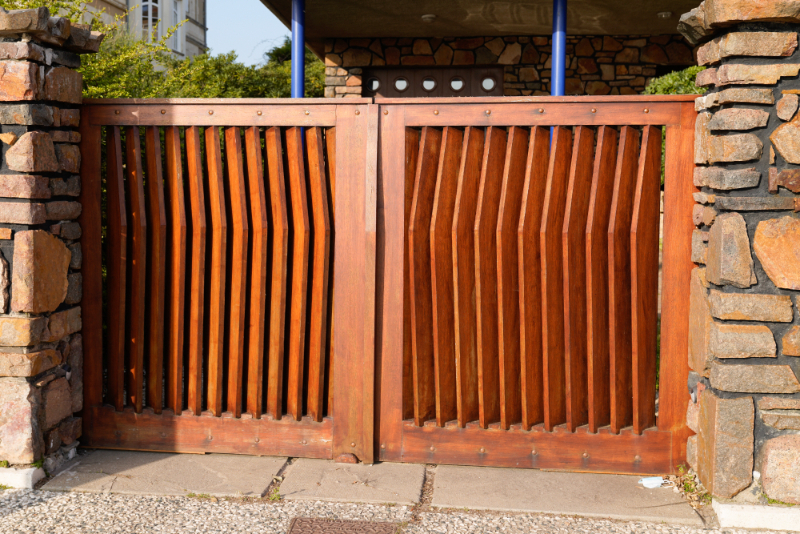
Swing Or Sliding Wooden Driveway Gates?
Swing and sliding driveway gates both have benefits, but the better option depends on the available space, ground levels and layout of the entrance. Swing gates are common for residential driveways and can use a single leaf or a pair of leaves attached to posts with strong hinges.
Sliding wooden gates move sideways rather than into the driveway. This can be useful where uneven ground or limited opening space makes traditional swing gates difficult. However, sliding gates normally need enough clear space to the side of the entrance, together with suitable support, hardware and ground preparation.
Wooden swing gates are available in many styles, including close-boarded gates for privacy and more open designs for improved visibility. Flat top designs can suit modern homes, while traditional timber gates and arched tops may be a better choice for cottages or rural homes.
Gate weight should always be considered. Heavier wooden driveway gates need a strong frame, suitable posts, quality hinges and correct fittings to support the load during regular use. A sliding system also needs a suitable track or support system, depending on the design.
Should Driveway Gates Open Inwards Or Outwards?
Driveway gates usually open inwards so that the moving gates stay within the property. This can provide a safer and more practical entrance where the driveway meets a pavement or highway. It also helps prevent the gates from obstructing pedestrians, cyclists or passing vehicles.
The right opening direction depends on the available space, slope and ground surface. Before installation, the full swing of the gates should be checked rather than measuring only the closed position. Uneven ground or a rising driveway can reduce clearance and cause the bottom of a gate to catch the surface.
Where inward opening is difficult, a sliding system may be a better option. The final decision should take account of safety, access, gate design and the way vehicles enter and leave the property. Good planning at this stage can prevent expensive changes later.
Gate Opening Inwards
Inward-opening driveway gates are a common choice because they keep the opening movement inside the boundary of the property. This can help create a clear and safe entrance while reducing the chance of the gates obstructing a pavement or highway.
Enough space must be available behind the gates for the leaves to complete their swing. Vehicles, walls, planting and other objects should not block the opening. The driveway surface should also be checked carefully for changes in level.
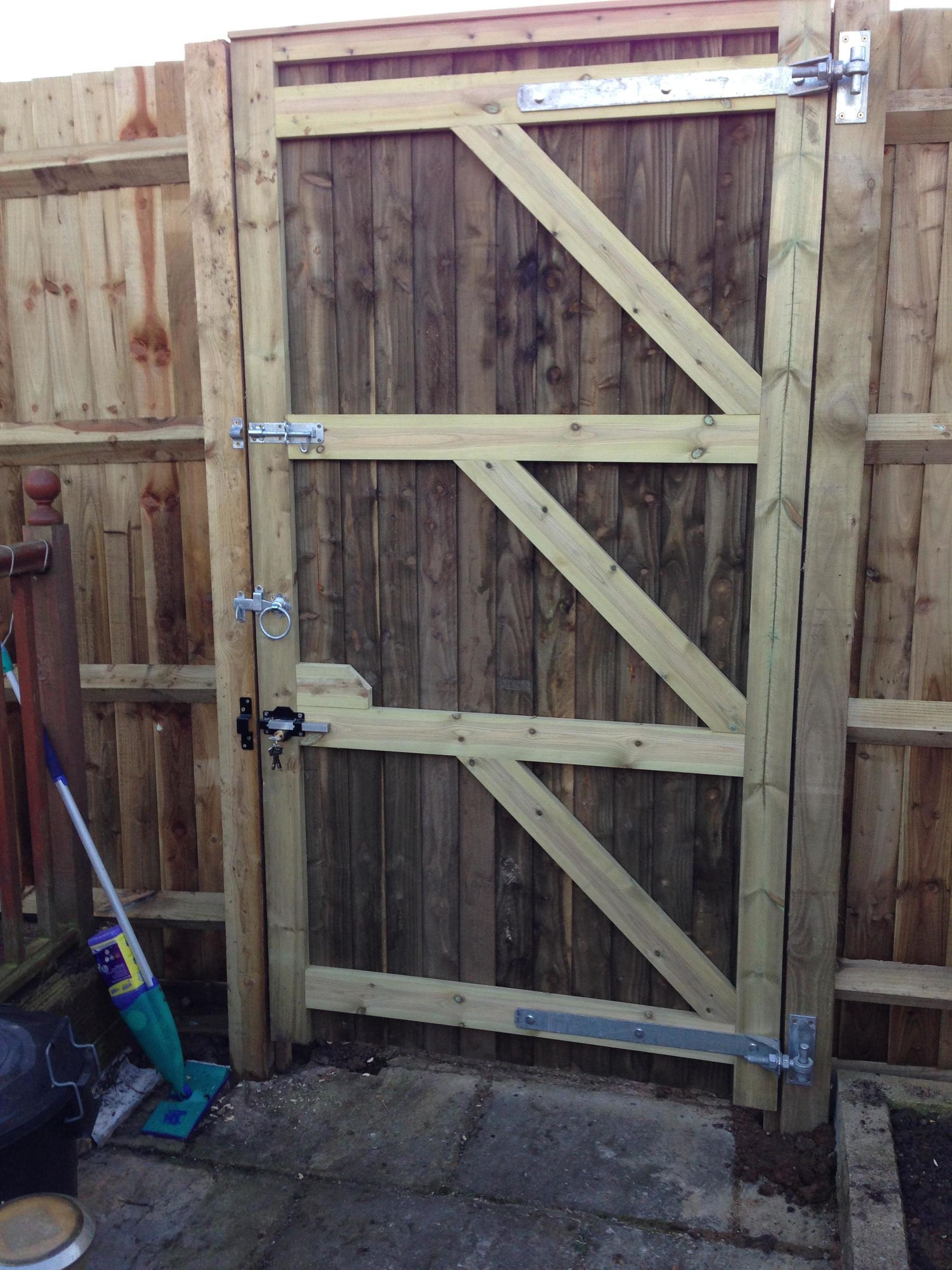
Strong posts and good hinges are essential, especially for taller gates or heavier timber gates. Band hinges can spread the load across the frame and help each gate remain properly aligned during regular use.

Inwards
Outwards
Gate Opening Outwards
Outward-opening gates require careful planning, particularly where the driveway entrance is close to a road or pavement. The gates should not create an obstruction or reduce safe access for people and vehicles outside the property.
The gate leaf must have enough space to open without reaching areas used by pedestrians, cyclists or passing traffic. Visibility also matters, as drivers should have a clear view when leaving the driveway.
If an outward swing is unsuitable, inward-opening or sliding driveway gates may provide a safer choice. The site, ground levels and entrance layout should always be considered before making the final decision.
Should The Gate Be Manual Or Automatic?
Manual and automated gates have different benefits. Manual wooden gates are generally straightforward to operate and have fewer moving parts. They can use a strong latch, locks and other fittings to keep the entrance secure without requiring a motor or electrical system.
Automated gates provide greater ease of access because the gates can be opened without leaving the car. This can be useful during rain, winter weather or where driveway gates are used several times each day. Gate automation can also work with keypads, intercoms and other access systems.
Gate weight is particularly important when choosing automation. The motor and complete system need to suit the size, weight and movement of each gate leaf. Automation should be planned as part of the gate design rather than added without checking whether the existing structure is suitable.
Safety is essential with automated gates. Moving gates can create trapping or crushing areas around the leaves, posts and hinges. A properly installed system therefore needs suitable safety measures. Automated gates also need regular maintenance and checks so that the motor, controls, safety equipment and fittings continue to work correctly.
The Health and Safety Executive advises that powered gates should be designed, manufactured, installed and maintained so that they remain safe during normal use and foreseeable situations, including where children may be present. The complete automated system matters, not only the motor. Sensors, controls, moving parts, hinges and closing areas should all be considered together.
Why Gate Frame Construction Matters
The frame is one of the most important parts of wooden driveway gates because it supports the boards and transfers the gate weight to the hinges. A good-looking gate with a weak frame can begin to sag, twist or lose alignment after regular use.
Strong timber gates may use traditional mortice and tenon joints to connect important sections of the frame. Well-made tenon joints can improve strength and stability, particularly on wider and heavier gates. Suitable reinforcement can also be added where the gate design or size creates extra demands.
The position of rails, braces and boards should be planned carefully. Weak points in the construction can allow movement in the middle of a leaf, which may affect the gap between a pair of gates or prevent the locks and latch from meeting properly.
When choosing wooden driveway gates, look beyond the surface finish. The quality of the frame, joints, timber and fittings can make a significant difference to the lifespan of the gates. Good construction also helps the gates hold their shape through changing weather and regular opening and closing.
Why Posts And Hinges Are Important
Posts and hinges carry the weight of driveway gates every time they open and close. Larger or taller gates are heavier and may require stronger posts, deeper foundations and fittings that can withstand the additional load.
Band hinges are commonly used for wooden gates because they help spread support across the frame. The hook, screws, bolts and other fixings should all be suitable for the gate weight and intended use. Poor-quality fittings can increase wear and cause the gates to move out of alignment.
The posts themselves must also remain stable. Even a small amount of movement can affect the position of the gate leaf at the opposite end. This can make the gates difficult to close and can place extra pressure on locks, hinges and joints.
Existing posts should be checked before replacing old gates. New timber driveway gates should not be fitted to posts that are already loose, damaged or unsuitable for their weight. Replacing weak posts can add to the initial cost, but it may prevent repeated alignment problems and damage in the long term.
Wooden Driveway Gates, Privacy And Security
Wooden driveway gates can improve privacy and help create a clear boundary at the entrance to a property. Solid or close-boarded gates provide added privacy by reducing direct views into the driveway or garden, while more open designs can improve visibility.
The right level of privacy should be balanced with safety. Drivers may need a clear view of pedestrians and vehicles when leaving the driveway, so complete screening is not always the better choice.
For better security, the complete gate structure should be considered. Strong posts, hinges, locks, a suitable latch and secure fixings can all help prevent obvious weak points. Taller gates may increase privacy, but height alone does not guarantee a home's security.
Good driveway gates can help discourage unauthorised entry and make access to the property more controlled. They should form part of a wider approach to security rather than being treated as the only protective measure.
Current figures show why security remains an important consideration for a home entrance. Office for National Statistics figures for England and Wales recorded 223,456 police-recorded burglaries in the year ending March 2026. This included residential and non-residential burglary and represented a 9% fall compared with the previous year. Gates cannot prevent every incident, but a secure entrance can add another clear boundary to a property.
Consider Wind And Weather Exposure
The amount of exposure at the entrance should influence the design of wooden driveway gates. Solid gates provide good privacy, but they also face more pressure from wind than an open gate design. This can matter on exposed rural homes, wide entrances and properties where strong winds regularly reach the driveway.
A taller and wider leaf has a larger surface area, so the posts, frame, hinges and fixings may need extra strength. Heavy hardwood gates can also place a greater load on the supporting structure. Good design needs to consider both the weight of the timber and the pressure created by the weather.
Rain and wet conditions are another factor. Water can collect around posts or on areas of timber if the detail and finish are poor. Keeping the wood protected, allowing water to drain and avoiding places where moisture can remain trapped will help reduce the chance of rot or decay.
Weather exposure can vary greatly between homes, even within the same area. Gates between buildings may be protected, while gates facing open land can be far more exposed. This is one reason why a design that works well at one property may not be suitable for another.
Maintaining Wooden Driveway Gates
Wooden driveway gates need regular maintenance because timber is exposed to moisture, sunlight, rain and changing weather conditions. Regular care helps protect the wood and gives you a chance to identify small issues before they become more serious.
Check the gates for cracks, worn finish, loose fittings, signs of rot and changes in alignment. Hinges, locks and the latch should continue to work without excessive pressure. Dirt, leaves and debris should also be cleared from areas where they can collect moisture around the gate or posts.
Paint and stain can both protect timber. Paint provides an opaque finish, while stain can allow more of the natural grain and beauty of the wood to remain visible. The right treatment depends on the timber, desired appearance and exposure to the elements.
No protective finish lasts forever. Sunlight and uv rays can affect the surface, while wet conditions can increase moisture within exposed wood. Regular treatment and maintenance can help ensure longevity and keep wooden gates attractive for many years.
Regular care should also include the moving and metal parts. Hinges, locks, hooks and fittings can loosen or wear through use. A gate that starts to drop, rub or become difficult to close should be checked rather than forced into position. Early attention can prevent a small issue from causing damage to the frame or posts.
Planning The Installation Process
A successful installation starts with accurate measurements and a clear understanding of the site. The gate width, required height, ground levels and position of the posts should all be confirmed before ordering or manufacture begins.
Measure the opening at more than one point because existing posts and walls may not be perfectly straight. Clearance for hinges, fittings and the middle gap between a pair of leaves should also be included in the measurements.
Uneven ground requires particular attention. The driveway may look level at the entrance but rise within the swing of the gates. Checking the entire movement before installation can prevent a gate from catching the surface once installed.
Where automation is required, the electrical system, motor, controls and safety requirements should be planned from the start. The final alignment should then be checked after installation to make sure each leaf opens and closes properly.
The depth and construction of new posts will depend on the ground, gate size, weight and support required. Foundations that are suitable for a light garden gate may not provide enough stability for larger driveway gates. This is why the complete installation should be considered as one project rather than treating the gates, hinges and posts as separate parts.
Check Planning Requirements Before Ordering
Planning rules are an important consideration before ordering new driveway gates. In England, current Planning Portal guidance states that a gate next to a highway used by vehicles, or the footpath of that highway, can generally be installed without planning permission when it does not exceed 1 metre in height. Elsewhere, the general rule is that the gate should not exceed 2 metres if planning permission is to be avoided.
There are important exceptions. Different requirements may apply to listed buildings, land within the grounds of a listed building, conservation areas or properties where planning conditions have removed normal rights. Local circumstances can also affect the answer, so it is sensible to check the position before manufacture begins.
This should be done early, especially when taller gates are being considered for added privacy or better security. Ordering a gate before checking the requirements can create problems if its height, position or design later needs to change.
Rules outside England can differ. If there is any doubt about a site in the UK, seek guidance from the relevant local planning authority before committing to the final design.
Matching Wooden Gates To Your Property
Wooden gates can suit a wide range of homes because timber works with both modern and traditional design. Traditional timber gates can complement cottages, rural homes and older properties, while clean lines and flat top designs can suit more modern homes.
The finish can also affect the property feel. Natural timber adds warmth and character, while paint can be used to match doors, fencing or other parts of the home. Matching wooden garden gates and fencing can create a more complete appearance around the garden and driveway.
Scale is important when choosing a gate design. Very tall gates may dominate a small entrance, while narrow or lightweight gates can look out of place across a wide driveway. The aim should be to balance appearance with security, privacy and practicality.
Small design details can also change the final look. Arched tops can add a more traditional character, while straight lines can create a modern appearance. Boards, panels, grain direction and fittings all contribute to the finished style.
When selected carefully, wooden driveway gates can improve kerb appeal and create an attractive first impression while still meeting the everyday needs of the household. Their natural character is one of the main reasons timber remains a popular choice for both driveway gates and garden gates.
Think About Lead Times And Made To Measure Gates
Lead times can matter when ordering timber driveway gates, particularly where a made to measure design is required. Handmade or individually built gates may take longer to manufacture than standard products, but they can be a better option for unusual openings or a specific style.
Accurate measurements are essential before ordering. A few millimetres may not matter on some parts of a project, but incorrect overall width can make installation difficult or even impossible without changing the posts, fittings or gates. The required clearance and opening arrangement should therefore be agreed before work begins.
If you are replacing existing gates, do not assume that the new pair should be exactly the same size as the old pair. Existing gates may have been cut, shortened or adjusted after installation. Posts may also have moved over time. Fresh measurements provide a better basis for manufacture.
Before placing an order, confirm the specification in written terms. This should cover the size, timber, treatment, finish, gate design, fittings and whether installation or automation is included. Clear details help customers understand exactly what they are purchasing and reduce the chance of problems later.
Consider The Long-Term Cost
The purchase price is only one part of the cost of driveway gates. Timber gates also need treatment and maintenance over their life, while automated gates may need servicing, safety checks and replacement parts. Looking at the long-term requirements can lead to a better decision than choosing on price alone.
A cheaper gate with a light frame, poor-quality hardware or unsuitable posts may need more maintenance or earlier replacing. Investing in quality timber, strong joints, good fittings and proper installation can provide better value when the gates are intended to remain in place for many years.
Hardwood gates may have a higher starting cost than some softwood gates, but the difference should be considered alongside durability, appearance and the maintenance required. A good pressure treated softwood gate can also have a long life when it is well designed, properly installed and regularly protected.
There is no single option that is always the better choice. The right answer depends on the property, budget, daily use, level of exposure, required appearance and how much regular maintenance the owner is prepared to provide.
Plan For Everyday Use
It is easy to focus on how new gates will look when closed, but functionality during everyday use is just as important. Think about how often the entrance will be used, what types of vehicles need access and whether people will also need a separate way in and out.
A wide entrance used many times a day has different demands from a narrow private driveway that opens only a few times. Manual gates may be a good option where use is limited, while automation can improve ease where opening and closing happens regularly.
The position of locks and controls also matters. A manual gate should be simple to secure without making normal access difficult. For automated gates, controls, keypads and intercoms should be placed where intended users can reach them safely.
Think about deliveries, visitors, children and maintenance access as well as normal vehicle movement. Good driveway gates should make the property easier to use rather than creating a new obstacle.
Questions To Ask Before Choosing Wooden Driveway Gates
Before choosing wooden driveway gates, it helps to understand your needs clearly. Consider the opening width and height, the type of timber you prefer, the privacy required and whether the gates need to be manual or automated. Think about your budget, expected maintenance and the style that will suit the home.
You should also ask how the gates are built, what treatment is applied and what type of frame and joints are used. Find out what fittings, hinges and locks are included, whether existing posts are suitable and what aftercare will be required.
For an automated installation, ask how the motor will be selected for the weight of the gates and what safety methods will be included. It is also important to understand how the system can be released or made safe if there is a fault or loss of power.
When comparing products, look at the complete specification rather than one feature. A good gate needs the right materials, strong construction, suitable support, careful installation and a finish that matches the intended environment.
There is no single gate width that suits every driveway. The correct width depends on the entrance, the vehicles using it and the angle at which those vehicles need to enter and leave.
Measure the clear opening carefully and allow for posts, hinges, fittings and a suitable gap between the leaves. A curved driveway, narrow approach or difficult turning angle may require larger driveway gates even when the vehicles themselves are not especially wide.
Made to measure gates can be useful where the opening does not match a standard size. Accurate measurements should be confirmed before ordering, as correcting the width after manufacture may be difficult.
As a general rule, it is better to consider the movement of the largest vehicle that is likely to use the entrance rather than measuring only the vehicle width. The turning angle can make a significant difference to the space required.
The correct ground clearance depends on the surface, gate design and movement of the driveway gates. Enough clearance is required to stop the gate catching the ground, but a very large gap may reduce privacy and affect the finished appearance.
Ground levels should be checked across the full opening movement, especially where the driveway slopes or has an uneven surface. Gravel, dirt, leaves and debris can also reduce the available clearance over time.
Future changes to the surface should also be considered. Replacing or resurfacing a driveway can raise the ground level and shorten the gap beneath gates that previously opened without difficulty.
The ideal height depends on the property, privacy requirements, security needs and overall gate design. Taller gates can offer greater privacy, while lower gates can create a more open entrance and improve visibility.
Height also affects gate weight and wind exposure. Taller solid gates may place more pressure on posts, hinges and foundations, particularly in an exposed location. The complete structure should therefore be designed to support the required size.
Planning requirements should also be checked before ordering taller gates. In England, current guidance generally allows a gate up to 1 metre high next to a highway used by vehicles or its footpath without planning permission, while the general limit elsewhere is 2 metres. Exceptions apply, so the specific site should always be checked before ordering.
Common Mistakes When Choosing Driveway Gates
One common mistake is choosing gates based mainly on appearance without considering weight, daily use or support. Attractive wooden driveway gates still need a strong frame, suitable posts and good hinges if they are expected to work properly for the long term.
Another mistake is taking only one measurement. The width may change between the top and bottom of an opening, and ground levels can affect clearance. Several measurements help provide a clearer picture before manufacture begins.
It is also important not to overlook maintenance. Timber needs protection from moisture and weather, and regular checks help identify movement, wear or damaged fittings before they create larger problems.
Choosing the wrong gate for the location can also cause problems. A large solid leaf may not suit a very exposed site, while a gate that offers maximum privacy may reduce visibility at a difficult entrance. Every design has its own advantages and disadvantages.
Finally, automation should not be added without considering the original gate design. Automated gates place different demands on the frame, hardware and safety system, so the complete project should be properly planned.
What Aftercare Do Wooden Gates Need?
Good aftercare begins as soon as the gates have been installed. Timber can change as it settles into its environment, and natural movement may affect small gaps or alignment. Checking the gates after the first period of use can identify anything that needs adjustment.
Keep the surface clean and dry where possible, remove dirt and debris, and check that water does not collect around the posts. Protective treatment should be renewed when the finish shows signs of wear rather than waiting until bare timber has been exposed for a long time.
Hinges, fittings, locks and joints also deserve attention. Check that screws and fixings remain secure and that each leaf can open and close without rubbing. If the movement changes, find the cause before making large adjustments.
For automated gates, aftercare should include the motor, controls and safety system. Regular checks are important because components can wear over time. Any fault that could affect safe movement should be dealt with before normal automated use continues.
Are Wooden Driveway Gates A Good Long-Term Choice?
Wooden driveway gates can be a good long-term choice when the right timber, design and construction are selected for the property. They provide natural beauty, privacy and security while offering enough design choice to suit traditional and modern homes.
Quality materials are only one part of the answer. The gates should also be properly installed with strong posts, suitable hinges and correct clearance. Poor installation can shorten the lifespan of even well-made hardwood gates or pressure treated timber gates.
Regular maintenance then helps protect the wood and fittings. Keeping the gates clean, treating exposed timber, checking joints and monitoring alignment can reduce the risk of avoidable damage.
Wooden gates also offer a warmth and timeless appearance that can be difficult to create with metal gates. Timber can be shaped, finished and designed in many ways, allowing the gates to suit a traditional wooden garden, a modern driveway or a larger rural property.
For homeowners willing to provide regular care, wooden driveway gates can remain attractive, strong and functional for many years while adding warmth and character to the driveway entrance. The final choice should be based on the needs of the site rather than appearance alone.
Final Considerations Before Ordering
Before ordering driveway gates, take time to check the complete project. Confirm the measurements, width, height, opening direction, ground clearance and condition of the posts. Think about privacy, security, visibility, daily use and whether automation is required now or may be wanted later.
Consider how exposed the entrance is and whether hardwood, softwood or another material will best suit the environment. Look at the frame construction, joints, boards, hinges, fittings and finish rather than making a choice from appearance alone.
It is also worth checking planning requirements and discussing any difficult parts of the installation before manufacture starts. If you need specific advice, speak to an experienced gate installer and provide clear information about the property, entrance and intended use.
The right design should balance strength, appearance, security, privacy, durability and ease of use. When the gates are carefully selected, properly installed and given regular care, they can provide a strong and attractive entrance for many years.
Are you looking for wooden driveway gate installation near you? If you require new gates in Milton Keynes, Buckinghamshire, contact us today. Our team can supply and install attractive wooden driveway gates designed around the size, style and specific needs of your property.