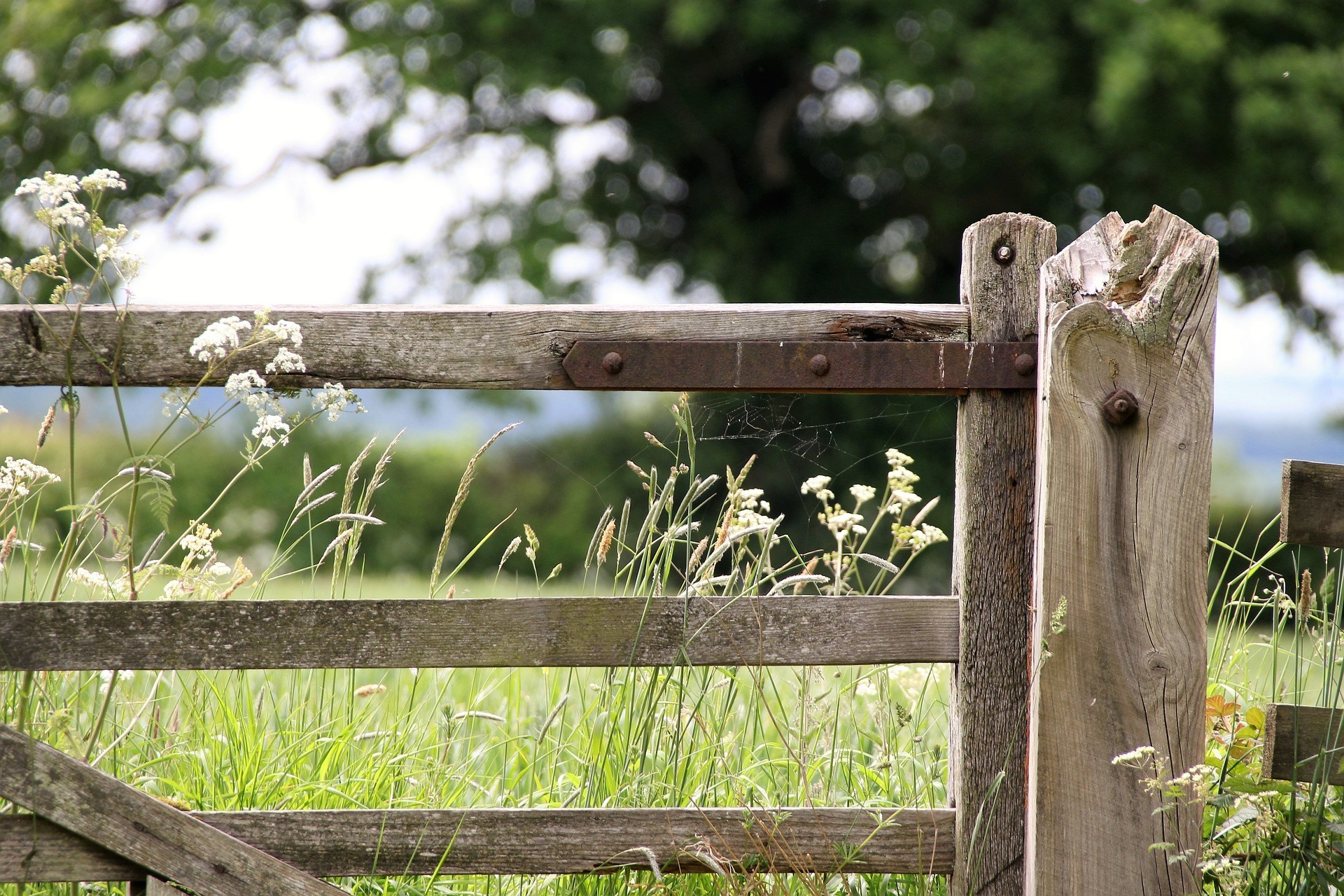
Do you need help deciding between hardwood and softwood gates for your home? This guide explains the main difference between hardwood and softwood gates, including durability, price, appearance, weather resistance, maintenance, sustainability and the types of timber that may suit your property.
Softwood or Hardwood for Your Gates?
When choosing wooden gates, one of the first decisions is whether to use hardwood or softwood. Both hardwood and softwood can make good gates, but each wood type has different characteristics, costs and care needs. The right choice will depend on your budget, the style of your home's exterior, the size of the gates, how exposed the area is and how much regular maintenance you are ready to carry out.
The terms hardwood and softwood describe how the trees reproduce rather than the actual hardness of the timber. This is an important point because a hardwood is not always harder than every softwood. Balsa is a well-known example of a hardwood that is relatively soft. At the other end of the scale, some slow grown softwood can be strong and hard wearing. There are therefore exceptions to the general rule.
Hardwood
Hardwood comes from flowering trees known as angiosperms. Hardwood trees are usually broad leaved trees, and many are deciduous trees. These deciduous trees commonly lose their leaves during autumn, remain bare through winter and grow new leaves in spring. Their seeds are encased in fruits, pods or nuts. Oak, ash, beech, birch, maple, walnut, mahogany, teak and Iroko are classic examples.
Softwood
Softwood comes mainly from coniferous trees, which are called gymnosperms. These softwood trees usually carry needles and cones rather than broad leaves. Many coniferous trees are also evergreen trees, which means their needles remain on the tree year round. Pine, spruce, fir, cedar, cypress and Scandinavian redwood are popular softwoods. Cypress trees are another example of coniferous trees used to produce useful timber.
This biological difference creates differences within the timber itself. Hardwood normally has a more complex structure, with vessels that can create a distinctive grain. Softwood generally has a simpler internal structure and often has a straight grain. The more complex structure of hardwood can give it a pronounced grain and an attractive hardwood appearance. This is one reason customers often choose hardwood for highly visible garden gates and driveway gates.
However, appearance is only one factor. A well-made pressure treated softwood gate can offer excellent value, while a durable hardwood gate can provide great durability and a longer life. When comparing hardwood and softwood, it is important to consider the complete gate, including the quality of the timber, joinery, posts, treatment, finishes, installation and ongoing maintenance.
CHOOSING WOODEN DRIVEWAY GATES
What Is the Real Difference Between Hardwood and Softwood?
The real difference starts with the trees rather than the finished wood. Hardwood generally comes from angiosperms, while softwood generally comes from gymnosperms. Deciduous trees such as oak, ash, beech, birch, maple and walnut grow in a different way from coniferous trees such as pine, spruce and fir.
Many hardwood trees grow more slowly than softwood trees. Their slower growth can result in denser timber, although density varies greatly between species. Durable hardwood may therefore feel heavier and more solid in the hand. Oak, Iroko hardwood and teak are good examples of timber valued for strength and longevity. Walnut and mahogany are also hardwood types, although they are more closely linked with furniture and fine joinery than everyday outdoor gates.
Softwood trees tend to grow quickly and can often be harvested sooner. Pine, spruce, fir and Scandinavian redwood are widely grown in managed forests. This quicker harvest cycle helps maintain supply and is one reason softwood is usually a more economical option. It also makes treated softwood a common material for fencing, decking, cladding and outdoor construction work.
Hardwood and softwood also differ in grain and colour. Hardwood can show richer grain patterns and darker shades. Depending on the species, colours can range from light browns and golden browns to medium brown, deep reddish brown and darker brown. Softwood commonly has lighter shades such as creamy white colour, yellow, pale yellowish brown and light browns. Some species darken with time, while exposed timber may eventually become silver if left untreated.
Remember that these are general characteristics rather than strict rules. There are two kinds of timber classification, but there is a wide variety within each group. Actual hardness, weight, strength, stability and durability depend on the exact wood type, how it has been grown, how it was dried, how the gate was made and how the finished product is maintained.
Does Hardwood Always Mean Harder Wood?
No. The answer is important when buying gates because the names hardwood and softwood can be misleading. Hardwood does not automatically mean extremely hard, and softwood does not automatically mean weak. Actual hardness varies from one species to another.
Balsa is a hardwood even though it is known for softness and low weight. At the same time, some softwood can be relatively dense and strong. The useful question is therefore not simply whether a gate is made from hardwood or softwood. You should also ask which species is being used, whether it is suitable for outside work, whether the softwood has been pressure treated and how the gate has been constructed.
For gates, durability and stability can matter more than a simple measure of hardness. A good softwood gate built from quality Scandinavian redwood and correctly pressure treated can provide many years of use. A hardwood gate made from very durable hardwood such as Iroko can offer even greater natural resistance to rot and decay. Both hardwood and softwood can therefore be suitable when the material is matched to the job.
Iroko Hardwood
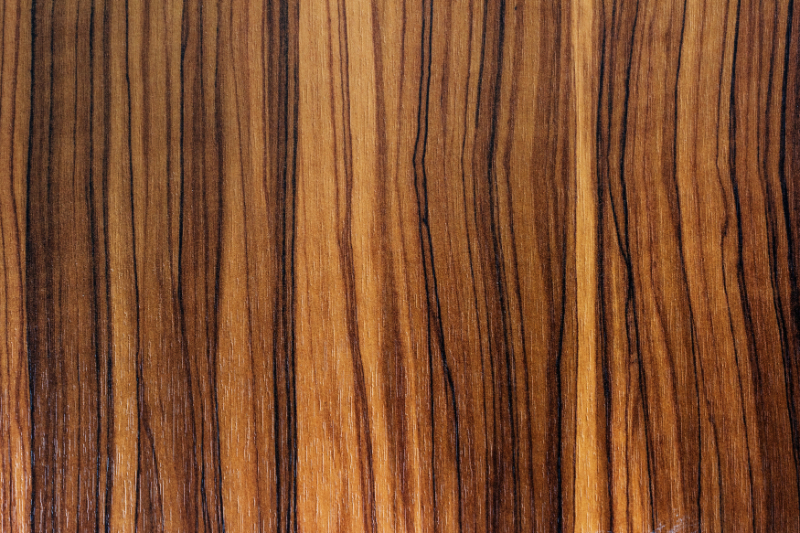
Iroko hardwood is a popular material for high-quality hardwood gates because it combines strength, appearance and natural durability. This durable hardwood is naturally resistant to many forms of decay and can stand up well to the British weather when properly maintained.
Fresh Iroko can vary from yellow and golden browns through to medium brown. The colour tending to deepen with age gives the timber a rich appearance. Different boards may contain light browns and darker golden browns because timber is a natural product. This variation is part of its character rather than a fault.
Iroko also contains natural oils. These natural oils contribute to its naturally durable qualities and help it resist moisture and insects. Even so, a hardwood gate should still receive suitable protection. Leaving Iroko completely left untreated will allow its colour to weather towards silver and may lead to watermarks or uneven weathering.
For customers who want a durable hardwood gate without choosing oak, Iroko can provide a good balance of strength, weather resistance and aesthetic appearance. A well-made Iroko hardwood gate with strong joinery can remain attractive for many years.
Iroko Hardwood
Oak Gates
Oak is one of the names most closely linked with hardwood. It has been used for construction, doors, furniture, joinery, fencing and outdoor structures for many years. Oak is strong, hard wearing and known for a pronounced grain that gives oak gates a traditional appearance.
A hardwood gate made from oak will generally be heavier than a softwood gate. That extra weight means good posts, hinges and installation are important. Large oak driveway gates may place much more force on their posts than lighter softwood driveway gates, particularly when the gates are wide.
Oak can change colour as it weathers. Fresh oak may show golden browns, light browns and medium brown shades, while exposed oak will gradually alter over time. The exact colour depends on the oak, the cut, the finish and the surrounding environment. A suitable stain or protective finish can help retain the appearance customers want.
Although oak offers great durability, no natural timber is completely free from movement. Oak remains a hygroscopic material, meaning it takes in and releases moisture as conditions change. Small splits, shakes and surface movement can appear as the timber adjusts. In many cases these changes are natural and do not mean that the oak gate has lost its strength.
Oak is generally more expensive than treated softwood. However, customers may consider the higher cost worth paying where long life, heavier construction, natural character and a traditional hardwood appearance are priorities. Choosing oak is therefore often a matter of personal preference as well as performance.
Cedar
Cedar
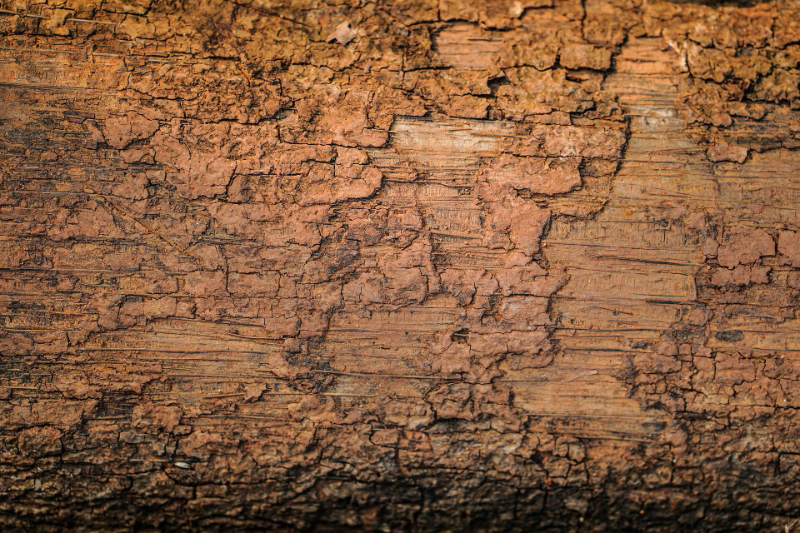
Cedar is a well-known softwood with a warm appearance and useful natural resistance to rot. Cedar contains natural oils that can help repel insects, which is one reason it has long been used for outdoor cladding, fencing and garden products.
Cedar is generally lighter than hardwood such as oak or Iroko. This makes cedar easier to handle during some construction work. Its lower weight can also reduce the load placed on gate posts and fittings.
If cedar is left untreated and exposed to the weather, its colour will gradually change towards silver. Customers who want to retain its original colour can use suitable finishes. A stain can bring out the grain, while the right treatment can help protect the wood from water, sunlight and decay.
Scandinavian Redwood
Scandinavian redwood is one of the most popular softwoods for outdoor timber products. Slow grown Scandinavian redwood can offer a useful combination of strength, stability, appearance and cost. For this reason, softwood Scandinavian redwood gates are a common choice for garden gates, side gates, fencing and some driveway gates.
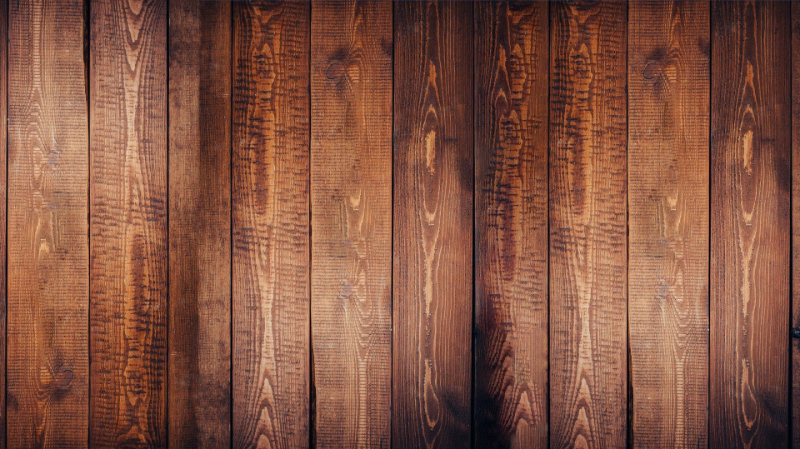
The colour of Scandinavian redwood can vary. The lighter sapwood is often a creamy white colour or pale yellowish brown, while the heartwood can move through yellow and light browns to a reddish brown heartwood. This natural colour variation gives each softwood gate a slightly different look.
Scandinavian redwood also tends to have a fairly straight grain. Knots are common because it is softwood, and these can add character. Customers who prefer a cleaner and less knotty appearance may be more drawn towards hardwood, but this is a matter of personal preference.
For outdoor gates, Scandinavian redwood is normally supplied as treated softwood. Pressure treated Scandinavian redwood receives preservatives under pressure so that protection reaches further into the timber than a simple surface coating. Correctly pressure treated timber is more resistant to fungal decay and insects than untreated softwood.
A pressure treated softwood gate can initially have a green tint caused by the treatment process. This is normal and usually fades as the timber is exposed to the weather. The final colour will also depend on any later stain, paint or other finishes applied.
Scandinavian Redwood
Pine, Spruce, Fir and Other Popular Softwoods
Pine and spruce are among the most common softwood types used across construction and garden products. Pine grows relatively quickly, is widely available and can be cost effective. When pine is pressure treated and maintained correctly, it can be a practical material for fencing and gates.
Spruce is another widely used softwood. Like pine, spruce is usually lighter than many hardwood types. Spruce can be easy to cut and work with, making it useful for construction and manufacture. However, untreated spruce is less durable outdoors, so treatment and good design are important where spruce is exposed to moisture.
Fir is also produced by coniferous trees. Fir, spruce and pine are classic examples of gymnosperms, meaning their seeds are not enclosed inside fruits. These coniferous trees commonly carry needles and cones, and many remain evergreen year round.
Cypress is another softwood associated with outdoor use. Some cypress timber has good natural durability, although performance varies between species and source. Whatever softwood is selected, it is important to check whether the exact material and treatment are suitable for gates.
Larch is another useful softwood. Larch differs from many evergreen trees because it is deciduous even though it is coniferous. Its needles change colour and fall in autumn. This is a useful reminder that nature does not always follow simple rules and that there are exceptions within the terms hardwood and softwood.
Other Hardwood Types
Oak and Iroko are strong choices for gates, but there are many other hardwood types. Ash, beech, birch, maple, walnut, mahogany, teak and sapele are all examples of hardwood. Their characteristics vary, and not every hardwood is the right choice for outdoor gates.
Ash has an attractive grain and good strength, but its outdoor durability is not the same as very durable hardwood such as Iroko. Beech is strong and widely used in furniture and joinery, yet it is not normally the first choice for exposed gates because moisture can be detrimental to it. Maple can also produce beautiful furniture and internal joinery but requires careful protection if used outdoors.
Walnut is valued for its darker colour and distinctive grain. Walnut can range from medium brown to much darker shades. It is commonly used where appearance matters, but its price and other characteristics mean walnut is not normally the economical choice for large garden or driveway gates.
Teak is famous for natural oils, durability and weather resistance. Teak can be very durable, but its cost can be high. Mahogany and sapele are also associated with rich colour, doors and fine joinery. As with teak, customers should check the exact source and make sure the timber comes from legal and sustainable sources.
Birch has a lighter appearance, while beech and maple can also have pale colour. The choice between these hardwood types depends on the job. For outdoor gates, appearance should never be considered on its own. Durability, moisture resistance, treatment, source and ongoing maintenance all matter.
Why Pressure Treatment Matters for Softwood Gates
Pressure treatment is one of the most important differences between untreated softwood and treated softwood intended for outdoor use. During pressure treatment, preservatives are forced into the timber under controlled pressure. This gives treated softwood better protection against organisms that cause rot and decay.
A pressure treated softwood gate is therefore not the same product as an untreated piece of pine or spruce. Good quality pressure treated timber is prepared specifically to deal with outdoor conditions. The level of treatment should match where the timber will be used and how much moisture it is likely to face.
Timber in ground contact needs a different level of protection from timber that remains above ground. Gate posts can be especially exposed because part of each post may be close to, or set into, wet ground. Suitable pressure treated posts or naturally durable materials should therefore be chosen for the job.
The treatment process can leave a green tint on some pressure treated timber. This colour comes from the preservative treatment and normally becomes less noticeable with exposure. Over time, untreated-looking surfaces can move towards silver or grey unless a stain, paint or other finish is used.
Pressure treated timber still needs care. Pressure treatment reduces the risk of biological decay, but it does not stop every form of weathering, surface checking, water movement or colour change. Regular maintenance remains important if you want the softwood gate to look good for longer.
End grain needs particular care because it can absorb water more quickly. A good gate design will limit exposed end grain where practical and provide suitable protection. Any fresh cuts made into pressure treated timber during installation should be dealt with using an appropriate end-grain preservative where required by the treatment system.
For many customers, treated softwood provides a good compromise between cost and longevity. It is generally cheaper than hardwood but can still be durable when the softwood is pressure treated, well constructed and properly maintained.
Hardwood and Softwood Joinery
The wood type is only part of what makes a strong gate. Good joinery is equally important. Even expensive hardwood will not deliver its full benefits if the gate has weak joints, poor fittings or unsuitable posts.
Traditional gate construction often uses mortice and tenon joinery to connect the rails and stiles. This form of joinery can create a strong frame and help the gate resist movement. The quality of the joinery matters for both hardwood and softwood gates.
Hardwood joinery can be more difficult to cut because dense hardwood may require more time and care. However, good hardwood joinery can be very strong. Oak and Iroko are both used for demanding joinery where strength and long life are important.
Softwood joinery is often easier to machine and cut. This can improve efficiency during manufacture and can help keep the cost of a softwood gate lower. The timber must still be dry enough for the work and properly prepared before the gate is assembled.
Gate design should also protect vulnerable parts of the timber. A solid top rail can help protect the end grain of vertical boards from direct weather. Water entering exposed end grain can lead to swelling, small splits or decay if protection is poor.
Good joinery should allow for normal timber movement. Trying to prevent all movement can create stress elsewhere in the gate. Skilled construction instead aims to control movement while keeping the gates square, strong and able to work properly throughout the changing seasons.
Timber Movement, Moisture and the British Weather
Wood is a hygroscopic material. This means timber takes in moisture when the surrounding environment becomes wetter and releases moisture when conditions become drier. Hardwood and softwood both behave in this way because both are natural wood products.
When humidity rises, timber can take in more moisture and expand. During warm or dry weather, it may lose moisture and shrink. This natural movement is one reason wooden gates need sensible gaps and good installation.
Movement can sometimes result in small splits, shakes or slight warping. These effects tend to be more noticeable on some pieces than others because every tree grows differently. Grain direction, density, the way the timber was cut and how quickly it was dried can all affect the result.
Hardwood is often denser and heavier, but density alone does not prevent movement. Oak, for example, can develop visible surface checks as it dries. This does not automatically mean the oak is failing. The important question is whether the movement affects the strength, fit or safe use of the gates.
Softwood can also move as moisture changes. Slow grown Scandinavian redwood that has been dried correctly can provide good stability, but it still needs room to move. Treated softwood should also be allowed to dry to a suitable level before certain finishes are applied.
Weather exposure varies from one property to another. A gate that is protected by surrounding fencing, trees or buildings may dry differently from one standing in an open area. Strong sunlight, driving rain, frost and wind can all affect timber over time.
Weather Resistance, Maintenance and Lifespan
Weather resistance is a major factor when choosing between hardwood and softwood gates. A gate may remain outside year round, so it must handle rain, sunshine, frost, wind and repeated changes in moisture.
Durable hardwood usually has an advantage because some hardwood species have good natural resistance to decay. Iroko is a good example of naturally durable hardwood. Oak can also offer excellent durability when correctly selected, designed and maintained.
Softwood generally needs additional protection. For this reason, quality outdoor softwood is often pressure treated. Treated softwood can resist decay much better than untreated material, making a pressure treated softwood gate a practical option for many homes.
Regular maintenance is still needed for both hardwood and softwood. The amount of maintenance depends on the species, finish, gate position, local weather and the appearance you want to retain. Gates that are highly exposed may require maintenance sooner than gates in a sheltered area.
Regular maintenance can include checking finishes, cleaning the gate, looking for areas where water collects and checking that hinges remain correctly set. Any damage to protective finishes should be dealt with before moisture has time to affect the timber beneath.
Oil finishes are often used on some hardwood products because they can bring out the natural grain and colour. Suitable stain products can also change or preserve the appearance of hardwood and softwood. Paint offers another option where customers want an opaque colour that matches the home's exterior.
No finish lasts forever. Sunlight, water and everyday weather gradually break down surface protection. Regular maintenance and timely treatment can therefore extend the life of the gates and help maintain their appearance.
A treated softwood gate can provide a long lifespan when properly maintained. A durable hardwood gate may last longer because of the natural durability of the timber itself. However, there is no single guaranteed number of years because lifespan is dependent on material quality, design, installation, care and exposure.
For this reason, statements suggesting every treated softwood gate or every hardwood gate will last a fixed number of years should be treated with care. The best way to prolong gate life is to choose suitable timber, use strong joinery, ensure correct installation and maintain the finishes when required.
Should You Leave Timber Untreated?
Some customers like the silver appearance that develops as timber ages. Certain hardwood and cedar products can be left untreated where gradual weathering is acceptable and the timber itself is suitable for that use.
However, left untreated timber will usually change colour. Watermarks may appear, the surface may darken unevenly and exposed areas may weather at different rates. A gate facing strong sunlight may also age differently from sections that remain in shade.
A softwood gate should not simply be left without suitable protection unless the specific softwood and its treatment are designed for that situation. Pressure treated softwood already contains preservatives, but additional finishes may still be recommended to help reduce water uptake and maintain appearance.
Customers should also remember timber is a natural product. A finish can protect the surface and slow colour change, but it cannot make natural timber completely free from movement, grain variation or weathering.
What Is the Price Difference?
Price is one of the clearest differences between hardwood and softwood. Softwood grows more quickly and there is a large supply from managed European forests. This helps make a treated softwood gate a more affordable option for many customers.
Hardwood trees often take longer to grow and some useful gate timbers must travel much further before they reach the United Kingdom market. Harvest, processing, drying, transport and supply can all add to the cost. Dense hardwood can also require more time during manufacture and joinery.
A hardwood gate is therefore typically more expensive than a similar softwood gate. Oak and Iroko gates may involve a higher initial price, but buyers may consider that cost worthwhile for greater durability, a heavier feel and the appearance of durable hardwood.
A softwood gate is generally the more economical option. Pressure treated Scandinavian redwood is especially popular because it offers a balance of quality, strength and price. For customers working to a budget, treated softwood can be a cost effective solution without having to move away from wooden gates.
It is useful to consider whole-life cost rather than price alone. A cheaper gate that needs replacing much sooner may not always save money. On the other hand, paying more for hardwood is not automatically the right choice if a pressure treated softwood gate already meets your own needs.
The price difference also becomes more noticeable on large driveway gates because they require more timber. Smaller garden gates and side gates use less material, so upgrading to hardwood may be easier to fit within a budget.
Hardwood or Softwood for Garden Gates?
Garden gates can be made successfully from hardwood and softwood. For a smaller garden entrance, a pressure treated softwood gate can be an economical and practical choice. It is lighter, usually less expensive and can match nearby softwood fencing.
A hardwood gate may be preferred when appearance is especially important. Oak and Iroko can give garden gates a solid, traditional or high-quality appearance. Durable hardwood can also be useful where customers want greater natural durability.
When choosing timber for garden gates, think about the surrounding garden as well as the gate itself. A heavy hardwood design may suit stone walls and substantial posts, while lighter softwood may look more balanced beside simple fencing.
Colour should also be considered. A new Scandinavian redwood softwood gate may have light browns or yellow tones, while Iroko may develop richer golden browns and darker shades. Oak has its own distinctive grain and warm colour. The final finish can help the gate match the home, doors, fencing and other garden materials.
Hardwood or Softwood for Driveway Gates?
Driveway gates are usually larger and heavier than pedestrian gates, so strength, stability and installation become especially important. Both hardwood and softwood can work, but their different weight and durability need to be considered before buying.
Large hardwood driveway gates can be very strong and impressive. Oak or Iroko hardwood may suit a property where a substantial traditional look is required. However, hardwood gates are heavier, so posts, hinges and foundations must be ready to support the extra weight.
Softwood driveway gates are lighter and can be easier to handle. A well-built pressure treated softwood gate made from Scandinavian redwood can be a cost effective alternative where hardwood is outside the available budget.
The best choice also depends on gate size. As the width of each leaf increases, weight puts more pressure on hinges and posts. Good installation matters regardless of whether the gate is hardwood or softwood. Poorly supported gates can drop over time, making them difficult to close even when the timber itself remains in good condition.
If automation is being considered, the gate design, weight and installation should also suit the chosen system. The complete job should be planned as one structure rather than choosing the timber first and trying to make every other part fit afterwards.
Gate Posts, Hinges and Installation
Even a very durable hardwood gate needs suitable support. Gate posts must be strong enough for the size and weight of the gates, and the foundations must suit the site and ground conditions.
This is particularly important with heavier oak or Iroko gates. Hardwood can place more pressure on hinges and posts than lighter softwood. Correct hinge positions help spread the load and reduce the chance of the gates dropping.
Softwood gates may be lighter, but installation still matters. A post that moves in the ground can cause a perfectly good softwood gate to catch, sag or become difficult to use. Strong construction therefore involves much more than the choice between hardwood and softwood.
Before installation, check the opening size, available clearance and the condition of existing walls, posts and fencing. Accurate measurements help ensure the finished gates fit and move correctly.
Good installation should also allow water to drain rather than collect around the timber. Keeping suitable clearance from the ground can protect the bottom of the gate from constant moisture and mud. Where timber does enter ground contact, the material and treatment must be suitable for that exposure.
How Hardwood and Softwood Affect Gate Appearance
Appearance is often one of the main reasons people choose a particular wood type. Hardwood is known for varied grain, deeper colours and a solid feel. Oak has a distinctive grain, while Iroko commonly moves from light browns and golden browns towards a deeper medium brown as it ages.
Softwood often has a lighter look. Scandinavian redwood may show pale yellowish brown, yellow and reddish tones. Pine and spruce are also commonly lighter than many hardwood species. Knots are more noticeable in many softwood boards, which can give a natural and informal appearance.
Creating a hardwood appearance on softwood with stain can change its colour, but it will not fully copy the natural grain or complex structure of a real hardwood. If pronounced grain and deep natural variation are important, a hardwood gate may therefore be the right choice.
On the other hand, customers who plan to paint their gates may place less value on natural timber colour. A suitable paint can create a uniform finish on both hardwood and softwood, although the correct preparation and compatible products remain important.
Think about how the gate will look beside the home's exterior. Timber shades should work with doors, brick, stone, fencing and other visible materials. The best style is the one that provides the right balance between appearance, practical needs and budget.
Which Is Easier to Maintain?
Neither hardwood nor softwood is completely maintenance free. However, treated softwood commonly needs more regular maintenance if customers want to preserve its original appearance and provide additional protection against the weather.
A softwood gate should be checked regularly for damaged finishes, standing water and any areas where the timber has become exposed. Treatment can help protect the surface, while stain or paint can also improve appearance.
Durable hardwood may require less protection against decay because of its natural characteristics, but regular maintenance is still worthwhile. Oil or another suitable finish can help retain colour and limit uneven weathering.
How often maintenance is required depends on the product. A gate facing south and exposed to strong sunlight may need attention at a different time from a gate in a damp, shaded area. There is therefore no maintenance schedule that suits every property.
As a general guide, inspect wooden gates at least once each year and after periods of severe weather. Look at the joints, hinges, posts, surface finishes and areas close to the ground. Taking care of small problems early can help prolong the life of the timber.
Hardwood and Softwood for Fencing, Decking and Other Work
The same difference between hardwood and softwood can be seen in other outdoor products. Treated softwood is widely used for fencing because it is affordable, lighter and available in large supply. Pine, spruce and Scandinavian redwood are all common choices.
Softwood is also widely used for decking, cladding and general construction. Pressure treated timber is particularly useful where the wood will be exposed to the elements. Its lower cost makes large projects more economical.
Hardwood decking can provide a different appearance and greater natural durability. Dense hardwood may be more expensive and heavier, but customers sometimes choose it where longevity and a high-quality finish are priorities.
Hardwood is also common in doors, furniture and detailed joinery because the grain and density can create attractive finishes. Oak, walnut, maple, beech, ash and mahogany are all familiar examples in furniture and joinery.
The same principle applies across these products. The best material depends on the job rather than the name alone. A wood that is excellent for indoor furniture may not be suitable for an exposed garden gate, while treated softwood designed for outdoor construction may perform very well.
Which Timber Is Better for the Environment?
The environmental answer is more complex than saying that hardwood or softwood is always better. The source of the timber, the management of the forests, the harvest cycle, transport, treatment, durability and useful life of the finished gate all matter.
Softwood trees generally grow faster than many hardwood trees. Managed coniferous forests can therefore provide a regular timber supply, and their quicker growth makes softwood a useful renewable material. Pine, spruce and other coniferous trees are widely grown for construction timber throughout Europe.
Hardwood trees often grow for longer before harvest. However, a durable hardwood product may remain in use for many years, reducing the need for replacing it. Longevity should therefore form part of any environmental comparison.
Current official forestry figures also show the scale of the United Kingdom timber market. Provisional figures published by Forest Research in May 2026 show that about 9.5 million green tonnes of softwood and 0.9 million green tonnes of hardwood were harvested from United Kingdom woodland during 2025. Around 10.4 million green tonnes of United Kingdom roundwood were delivered to processors and other users during the same year.
The latest full woodland statistics report that the United Kingdom had about 3.29 million hectares of woodland at 31 March 2025. Around 1.44 million hectares, or 44 per cent of the total woodland area, were independently certified as sustainably managed. A further 15,580 hectares of new woodland were reported during 2024 to 2025.
These figures help explain why sustainable sources matter when choosing timber products. Customers should look for recognised certification and clear information about source where possible. Timber from responsibly managed forests can be an environmentally friendly choice because forests can be replanted and managed to provide future supply.
Transport also matters. A hardwood imported from another part of the world may have travelled much further than European softwood. However, distance is only one part of the full environmental picture. A long-lasting hardwood gate may need replacing less often than a lower-durability product.
The right approach is therefore to choose suitable, durable material from sustainable sources and maintain it well. Whether choosing hardwood or treated softwood, longer product life can reduce the materials, work and waste linked with replacing gates too frequently.
Current Timber Supply in the United Kingdom
Softwood forms the large majority of timber harvested from United Kingdom forests. Forest Research figures for 2024 recorded around 9.9 million green tonnes of softwood removals and around 0.8 million green tonnes of hardwood removals. Provisional figures for 2025 put softwood harvest at about 9.5 million green tonnes and hardwood at about 0.9 million green tonnes.
This difference in supply is one reason common softwood types are often easier to source and more affordable. The larger softwood market supports construction, fencing, round fencing products, panels and other uses.
United Kingdom demand still goes beyond domestic supply. Provisional 2025 figures show that the United Kingdom imported around 6.0 million cubic metres of sawn wood, while the value of imported wood products was about £9.2 billion. This wider market can influence timber price, choice and availability.
For someone buying gates, daily market changes should not be the main deciding factor. However, understanding supply helps explain why Scandinavian redwood and other popular softwoods are commonly offered as an economical option, while some hardwood types command a higher price.
How Long Do Hardwood and Softwood Gates Last?
There is no single lifespan that applies to every hardwood gate or softwood gate. Timber quality, treatment, joinery, installation, climate, care and exposure all have an effect.
A durable hardwood gate can remain in good service for many years. Iroko and suitable oak are valued partly because of their durability. Their dense structure and resistance to decay can make them a good choice for customers who want longevity.
A treated softwood gate can also last for many years when the softwood has been pressure treated, correctly installed and properly maintained. Regular maintenance is especially important because exposed cuts, damaged finishes and standing water can shorten its useful life.
Comparisons that promise an exact number of years should therefore be viewed carefully. A neglected hardwood gate may perform worse than good treated softwood that has been maintained. The complete quality of the product matters more than a simple hardwood and softwood label.
What Can Cause Wooden Gates to Fail Early?
Poor material selection is one cause. A wood type that is not suitable for outdoor use may absorb moisture and decay more quickly. Untreated pine or spruce, for example, should not be expected to behave like correctly pressure treated softwood.
Poor joinery is another cause. Weak joints can move under the weight of the gate, particularly on large driveway gates. Good joinery, suitable fixings and strong posts all help maintain the shape of the gate.
Water is another major factor. Timber that remains wet for long periods is more prone to rot and decay. Good design should encourage water to run away and should protect vulnerable end grain wherever practical.
Ignoring maintenance can also shorten life. A broken finish allows more direct exposure to rain and sunlight. Checking the gates and applying appropriate treatment before damage becomes serious can protect both hardwood and softwood.
Finally, unsuitable installation can cause gates to drop or bind even if the timber remains healthy. Posts must stand firmly, hinges must match the weight and gate clearance must allow for normal seasonal movement.
How to Choose Between Hardwood and Softwood Gates
Start by considering your own needs. If budget is the main factor, a good pressure treated softwood gate is likely to be the more economical option. Scandinavian redwood offers a useful balance between price, appearance, strength and durability.
If longevity, natural grain and a heavier appearance matter more, a hardwood gate may be worth the higher cost. Iroko and oak are good choices where durable hardwood is wanted for an exposed entrance or larger property.
Next, think about maintenance. Softwood gates normally require regular maintenance to keep them protected and looking their best. Hardwood also needs care, but naturally durable species may provide more built-in protection against decay.
Consider weight as well. Hardwood gates are typically heavier. For large driveway gates, that weight affects posts, hinges and installation. Lighter softwood can be easier to handle and can reduce the load on supporting parts.
Appearance may make the final difference. Oak has pronounced grain, Iroko offers rich golden browns and medium brown shades, and Scandinavian redwood provides lighter natural colour with visible knots. Your personal preference and the style of the home's exterior should help guide the final choice.
Finally, check the source, quality and treatment of the timber rather than choosing by name alone. Ask whether softwood is pressure treated, what preservative protection it has received, what maintenance is recommended and whether the timber comes from sustainable sources.
Hardwood and Softwood Gates: Which Offers Better Value?
The answer depends on what value means to you. If keeping the initial cost down is most important, softwood usually wins. A pressure treated softwood gate is less expensive than a comparable hardwood gate and can still provide good durability when properly maintained.
If you place greater value on longevity, natural durability and distinctive grain, hardwood can justify its higher price. A durable hardwood gate may require a larger investment at the start, but it can provide a strong, high-quality entrance for many years.
There is no need to treat softwood as a poor compromise. Modern treated softwood products can perform very well. Likewise, hardwood should not be chosen simply because it costs more. The right choice is the product that matches the site, budget, maintenance expectations and appearance you want.
When comparing quotations, make sure you are comparing the complete job. Look at timber quality, treatment, thickness, joinery, fittings, posts, finishes and installation. Two gates may look similar in a photograph while having very different construction and long-term performance.
Frequently Asked Questions About Hardwood and Softwood Gates
Is hardwood better than softwood for gates?
Hardwood can provide greater natural durability, a heavier build and a distinctive grain, but softwood can still make very good gates. Pressure treated softwood is usually cheaper and lighter. The better choice depends on your needs, budget and willingness to carry out regular maintenance.
What is the main difference between hardwood and softwood?
The main difference between hardwood and softwood comes from the trees. Hardwood comes from angiosperms, which are often broad leaved and deciduous trees. Softwood generally comes from coniferous gymnosperms, many of which are evergreen trees with needles and cones. The terms do not describe actual hardness.
What hardwood is good for outdoor gates?
Iroko and oak are common examples of hardwood used for outdoor gates. Iroko is a very durable hardwood with useful natural oils and good resistance to decay. Oak is strong, hard wearing and known for its attractive grain. The right hardwood still needs good construction and suitable maintenance.
What softwood is good for gates?
Scandinavian redwood is one of the most popular softwoods for wooden gates. When pressure treated, Scandinavian redwood can provide good durability at a lower cost than many hardwood choices. Pine, spruce, cedar, fir and other softwood types may also be used depending on the product and treatment.
Do softwood gates need treatment?
Softwood used outdoors normally needs suitable protection. Pressure treated softwood has preservatives driven into the timber under pressure, helping protect against rot, insects and fungal decay. Additional treatment or finishes may still be recommended to protect appearance and limit weathering.
Do hardwood gates need maintenance?
Yes. Even naturally durable hardwood benefits from maintenance. Oil, stain or another suitable finish can help protect appearance and reduce uneven weathering. Regular checks can also find problems with hinges, posts and joinery before they become more difficult to rectify.
Are hardwood gates heavier?
Hardwood is typically denser and heavier than common softwood, although there are exceptions. The heavier weight of oak or Iroko gates means the supporting posts, hinges and foundations must be suitable for the job.
Why is softwood cheaper?
Many softwood trees grow more quickly and can be harvested on a shorter cycle. Large areas of managed coniferous forests also provide a reliable supply. This generally makes softwood less expensive and more economical than slow-grown hardwood.
Can softwood look like hardwood?
Stain can make softwood darker and change its colour, but it cannot fully reproduce the natural hardwood appearance. Grain, knots and internal structure are different. Customers who want pronounced grain and the natural appearance of oak or Iroko may therefore prefer a real hardwood gate.
Will wooden gates change colour?
Yes. Hardwood and softwood both change colour with time. Sunlight, water and weather affect the surface. Some hardwood darkens before gradually weathering, while many untreated timbers eventually move towards silver or grey. Suitable finishes can help retain the chosen colour for longer.
Can timber gates warp?
All natural timber can move because wood takes in and gives out moisture. Good drying, sensible design, correct joinery and proper installation reduce the risk of serious warping. A small amount of movement does not always mean there is a problem.
Are wooden gates environmentally friendly?
Wooden gates can be an environmentally friendly option when the timber comes from sustainable sources and the finished gates have a long useful life. Softwood grows quickly, while durable hardwood can reduce the need for frequent replacing. Responsible forest management, efficient manufacture, transport and maintenance all form part of the full picture.
Hardwood or Softwood: Making the Right Choice
The difference between hardwood and softwood gates is not simply a question of one being good and the other being bad. Both materials have clear benefits. Hardwood is generally denser, heavier and more expensive, with durable hardwood such as Iroko offering excellent natural durability. Oak is another strong hardwood choice with a distinctive grain and traditional appearance.
Softwood is generally lighter, cheaper and quicker to grow. Pressure treated softwood, particularly Scandinavian redwood, provides a cost effective choice for garden gates, side gates, fencing and driveway gates. Treated softwood does require regular maintenance, but a quality softwood gate can provide many years of good service.
When choosing between hardwood and softwood, remember timber quality and construction matter just as much as the name of the wood. Check the exact wood type, source, treatment, joinery, posts, finishes and installation. Consider how exposed the gates will be, how much maintenance you are ready to carry out and how the colour and style will match the rest of your home.
If you want lighter gates and a more affordable purchase price, pressure treated softwood may be the right choice. If you want a heavier gate, a rich natural appearance and greater natural durability, investing in hardwood may be worth the additional cost.
At MD Fencing & Decking, customers can compare different types of hardwood and softwood gates before ordering. Taking time to understand the materials, maintenance needs and design will help you find wooden gates that suit your property, budget and long-term needs.
Are you looking for wooden garden gates or driveway gates in Milton Keynes and the surrounding areas? Choose timber that matches your property, maintenance plans and budget. Good materials, strong joinery and correct installation can help your gates remain attractive and reliable for many years.